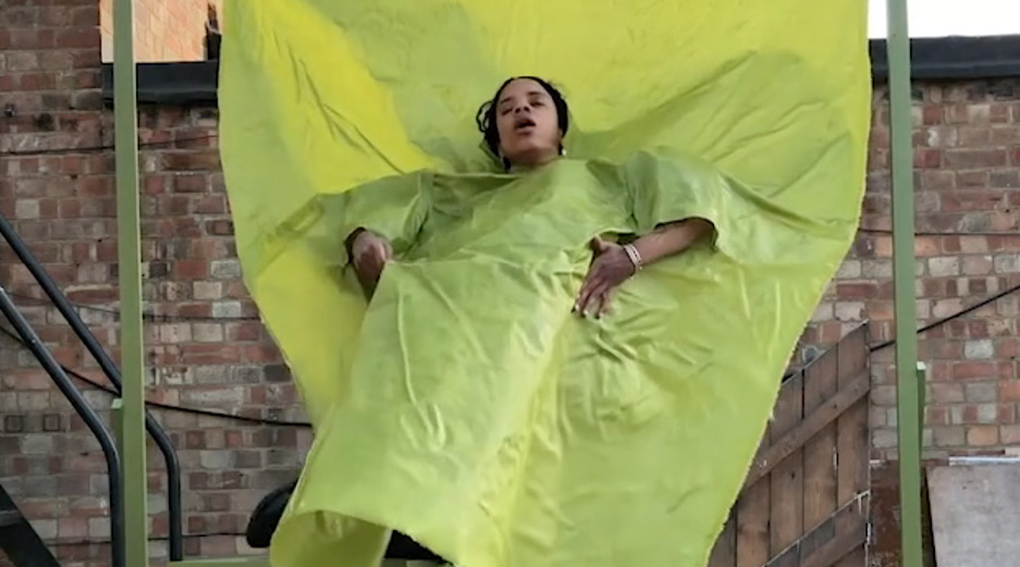
What was the idea behind the work you created? How did it feel seeing your ideas come to life?
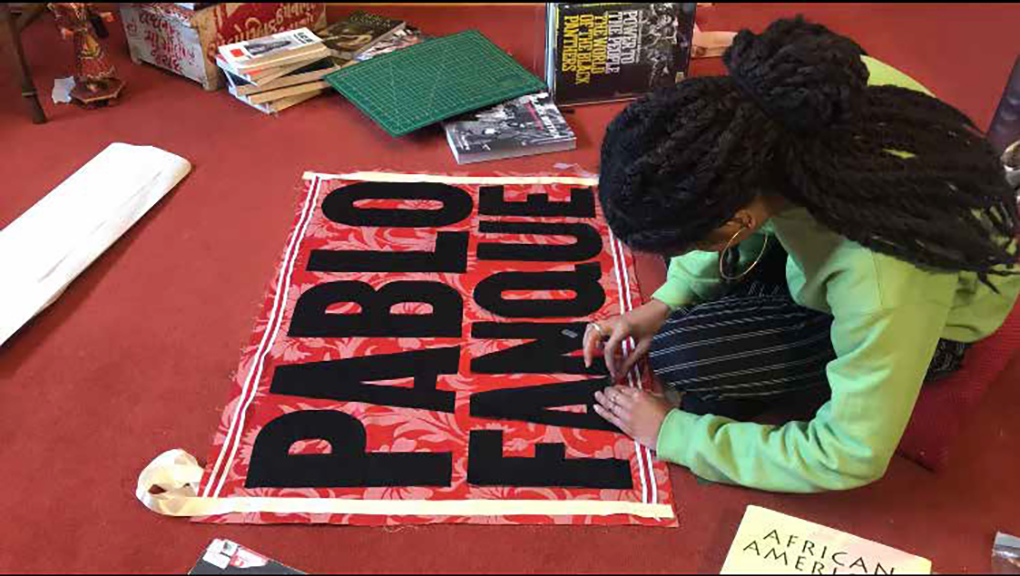
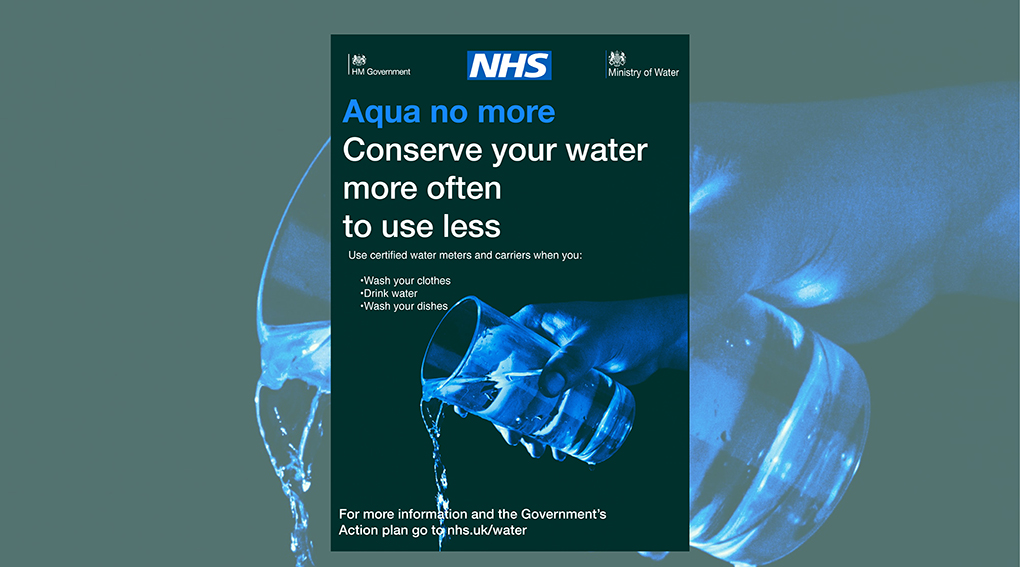
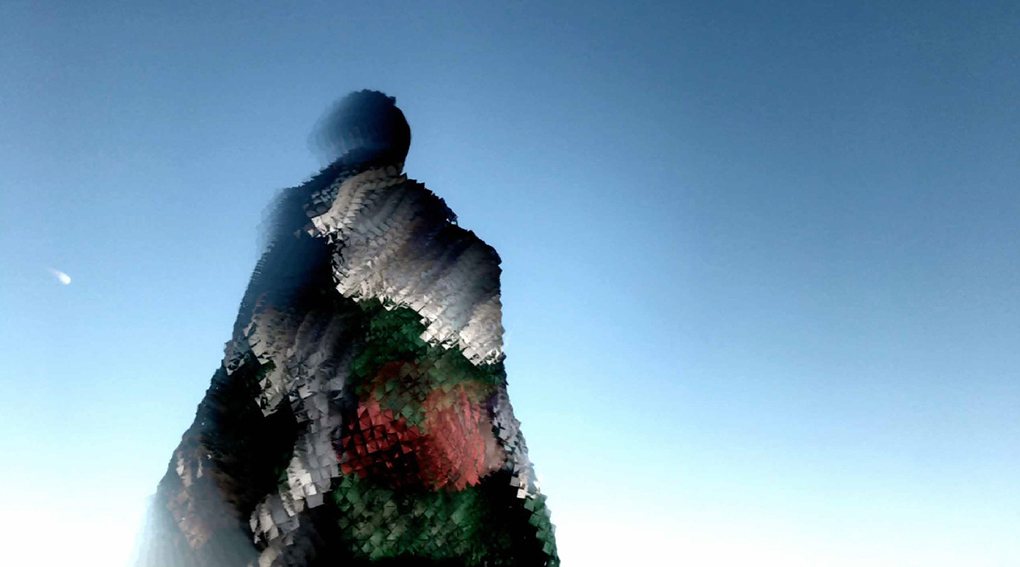
‘AN ANGOLAN ARCHIVE’ is an archival assemblage of information explored through documents, artefacts, garments, moments, headlines, oral tradition and historical data, that define the sociocultural, economic, political, ethnic and cultural landscape of Angola, focused specifically on Luanda. It operates as an instigator for action towards progress by creating an opportunity for individual agency, for one to ‘discuss their own story’ and by all means tell it. This work acknowledges that an archive is colonial in outlook. Therefore, the task of decoloniality is central to ‘AN ANGOLAN ARCHIVE’, as the notion of African-led own archives is still to confront the current realities being depicted by external bodies. Seeing the intention of the work come to life has been a really insightful and gratifying process. In a way the resolution of this stage of the project has been really effective at communicating itself, while very influenced by the circumstances of lockdown in which most of the artefacts were produced. But also, the work is the starting point for the many conversations that I am willing to host, and that is really exciting.
Can you talk a little about your vision for the future?
I am continuing to develop my practice, research and produce work. While operating in the mediums the different conversations require, in a way working in a borderless way between practices, as the most important thing for me is the vision of the work. I am currently setting up a studio space in London which I am sharing with a friend. I am also joining a mentorship programme for the class of 2020 with XYZ Exchange, which is really exciting and gives me a lot of hope. I already have some projects lined up for 2021, mostly involving collaborations and exhibitions. Unfortunately, I cannot get into details about those as they aren’t yet public knowledge.
What does creativity mean to you?
I see creativity as the ability to respond to a ‘lack’. It could be the lack of resources, solutions, networks etc. In my practice ‘lack’ has been a core driving aspect, which in many ways has been with me since my childhood. Create what is missing, fill the gaps, draw connections, improve something. I tend not to glamorise creativity, and rather see it as an important mechanism for progress.