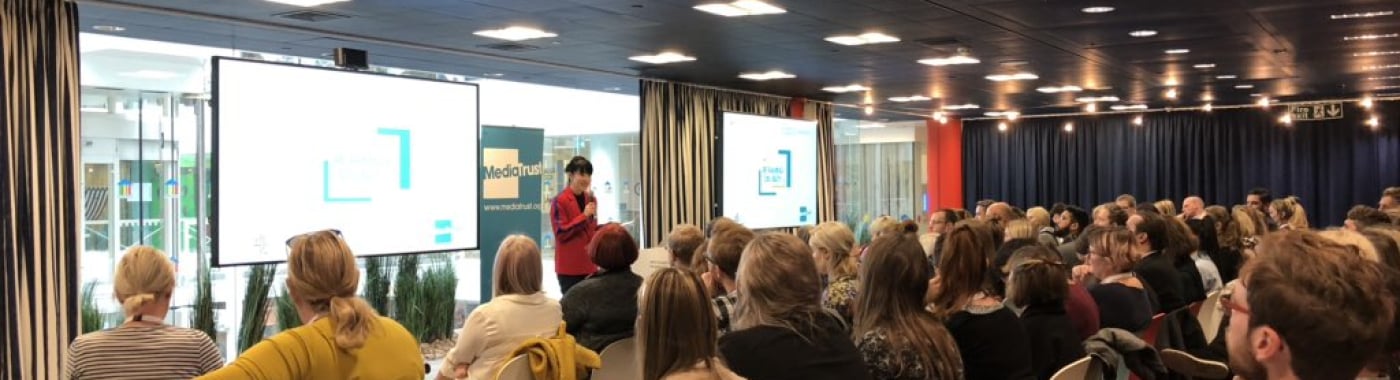
“We are limiting the horizons of disabled people by not representing them.” This was the rallying cry of Su-Mei Thompson, Chief Executive of the Media Trust, as she kicked-off a cross industry working group to reframe disability.
“We are at the risk of really important issues not being reported. Online hate crimes have risen by a third why haven’t these been reported?” she asked.
The event, which was run in partnership with Disability Rights UK and Scope, and sponsored by Channel 4, brought together a cross section of charities, advertising agencies and journalists. It kick started a conversation between organisations representing disabled people and the creative industries.
Sue Bott, Deputy Chief Executive of Disability Rights UK, explained, “What disables us is attitudes towards us as disabled people, that’s what really holds us back.” Bott highlighted the need to move away from the “medical model” of describing disabled people as a drain on society. She explained that changing attitudes will enable both disabled individuals to thrive and for society to get “the benefits of all our talent.”
The need for authentic representation of disability
James Taylor, Head of Campaigns, Public affairs and Policy at Scope, took aim at the lack of representation of disabled people on screen. He pointed to the fact that 14 million people in the UK are disabled, a figure which equates to one in five people.
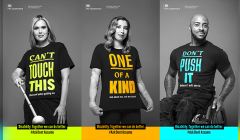
Taylor noted that when adverts did represent people with disabilities it was often in a very one-dimensional way: “We are seeing adverts that are perpetuating stereotypes that we are all inspiring, we are all heroes, which does an injustice to the experiences we face.”
He pointed to the importance of humour in addressing people’s “innocently ignorant” awkwardness around disability. With so many brands standing on the side-lines when it comes to this issue, he urged the industry to “look to incidental portrayal as much as realistic portrayal.”