
Brands built different: Social Sells
Born Social and Creativebrief explore how marketers can build consistent and distinctive brands through social media.

Georgie Moreton
Deputy Editor, BITE CreativebriefDespite the fact that 83% of brand marketing leaders have increased budgets within social and creator marketing in the last 2 years, 65% still struggle to demonstrate clear and measurable returns.
Creativebrief's Social Sells 2.0 report uncovered an intention gap when it comes to using social media effectively. While the industry is aware that social and influence is a key channel for brand building, there remains questions around how to best use it to its full potential.
Born Social’s Brand Built Different research, part of its upcoming whitepaper launching this autumn, goes some way in bridging that gap, underlining how social has become essential in long-term brand building.
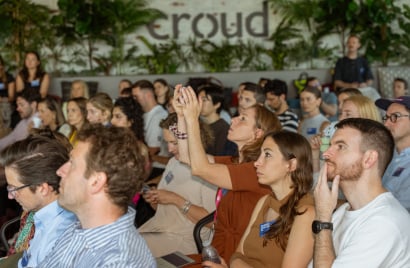
To further unpick the opportunity, Born Social teamed up with Creativebrief to host an event which successfully lifted the lid on the challenges that brands are facing in navigating the changing social media landscape. An area which has been highly disrupted by innovations in GEO, search, tech and creator marketing.
A social shift
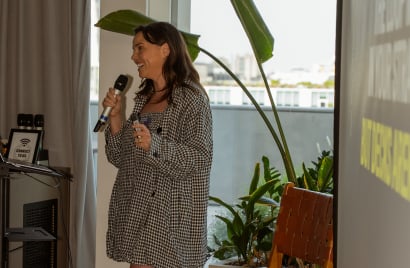
Setting the scene, Callum McCahon, Chief Strategy Officer at Born Social, teamed up with his colleagues Liv Wedderburn, Head of Influence and Emily Williams, Head of Strategy.
The trio shared insights from Born Social’s Brand Built Different research, which underlines the way social and creator marketing has become essential in long-term brand building.
“Investment is flowing but results aren’t matching,” explained McCahon. He shared that some of the key challenges brands are facing are a rise in content levels, search disrupted by LLMs, and a lack of control over the narrative on social media.
McCahon shared a personal example of his own user journey as a new dad looking to purchase a baby bottle warmer. Rather than using a traditional search engine, he shared that he went to TikTok, looked at influencer reviews, asked a question to an LLM providing context and landed on a brand that showed up across all touchpoints. An experience which underlines that brands need to walk the walk to show up consistently in order to be considered by customers.
Investment is flowing but results aren’t matching.
Callum McCahon, Chief Strategy Officer at Born Social
To get the best results brands need to be distinctive, be discoverable and work with creators as proof points. Discoverability and consistency are everything in a world where ‘brands are built by proxies.’
Owning a brand narrative
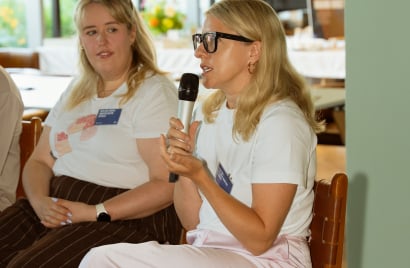
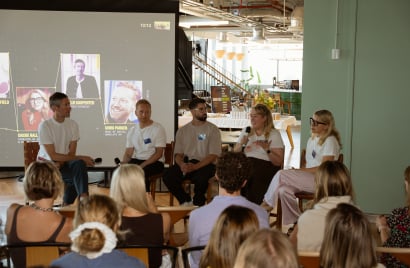
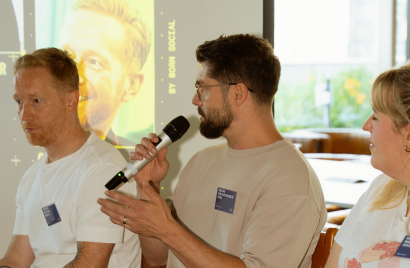
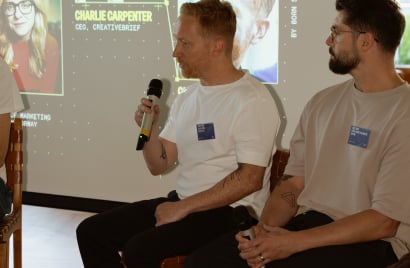
It’s clear that brands of all shapes and sizes now must embrace social as a brand building tool or risk being left out of conversations. To help understand how to put this into practice, Charlie Carpenter, CEO at Creativebrief, sat down with James Annis, Global Marketing Director at Nothing, Chris Parker, Head of Social at Barclays UK, Becca-Jane Schofield, Marketing Director at CoppaFeel and Cassandra Hall, Director of Marketing and Brand at Motorway, to discuss what social brand building means to them.
The brands represented on the panel were vast and different, yet each placed a significant importance on social media as a key tool for reaching audiences and carving out community.
It’s about being recognisably yourself everywhere no matter who tells the story.
Cassandra Hall, Director of Marketing and Brand at Motorway
Schofield shared that CoppaFeel’s approach focuses on showing how the brand can serve community and engage young people. Getting creators involved in shaping the brand has helped content to be produced with an uplifting and humorous tone which successfully travels across platforms.
Nothing is a unique tech brand built on social media. For Annis, brand building on social is a no-brainer. The founder of Nothing is part of the social world, the brand has content creators in the team and a studio in the office.
In contrast, at a 300 year old business like Barclays UK, Parker faces the challenge of shifting a legacy brand into a newer space. With support and buy in from across the business, the brand has considered what it means to people in a changing world. “What we think our brand means to people might be misguided,” he explained. On social media, brands have a lot to learn about their audience.
For Hall at Motorway, the approach is about consistency. “It’s about being recognisably yourself everywhere no matter who tells the story,” she explains.
“Brands are still key narrators but there are more people involved,” added Annis.
Creators as collaborators
Creators are a key part in solidifying and validating a brand’s message. Treating them as trusted collaborators and moving them upstream is widely agreed upon as best practice, but is often easier said than done.
At Barclays, Parker has been able to get the most out of partnerships by working with trusted creators through an ambassador program. Across different sectors such as comedy and lifestyle, Barclays has tasked creators with telling stories about money management. “‘We partner with credible people we trust to tell our story,” he shares, adding: “They can talk about some quite dry topics in different ways.”
Schofield and Annis shared that in their respective businesses, creators are collaborative and involved in some key decisions. Nothing created community product collaborations before it invested in celebrities. While Coppafeel worked with creators to refine tone and branding.
“Know your brand and find the alignment with creators,” explained Annis, adding: “Know why you’re working with them and then the output is something people want to consume.”
Brands are still key narrators but there are more people involved.
James Annis, Global Marketing Director at Nothing
“See them as fellow creatives,” added Schofield, explaining the starting point for each collaboration is more expansive. As she shares, the team set creators the brief: ‘This is what we’d like you to explore, not this is what we’d like you to say.’
System-first thinking
Hall explained that at Motorway, her approach to brand building is ‘system first’ rather than ‘social first.’ She shared that instead of thinking about channels in silos, she looks to performance to sell in strategy. LLMs and AI have been essential in measuring results from social and becoming a default answer on an LLM is high priority. While showing up in search becomes more tricky, Hall’s approach is about doing the same things but more often. A focus on providing proof and evidence is key.
Behaviours online are changing. Schofield pointed to the fact that 90% of young people look to social or AI before a person when it comes to questions about their health. Showing up in these spaces is key. Brands must reach audiences where they are.
While added touchpoints add challenges, Annis was optimistic that LLMs might actually level the playing field for new brands. With a heightened importance placed on consistency and quality of a product or service, brands are being held to account and have to walk the walk.
As technology evolves and search shifts, brands are adopting new systems of marketing with social at the heart of both the consumer conversation and broader marketing ecosystem.