How brands can maximise the influencer effect
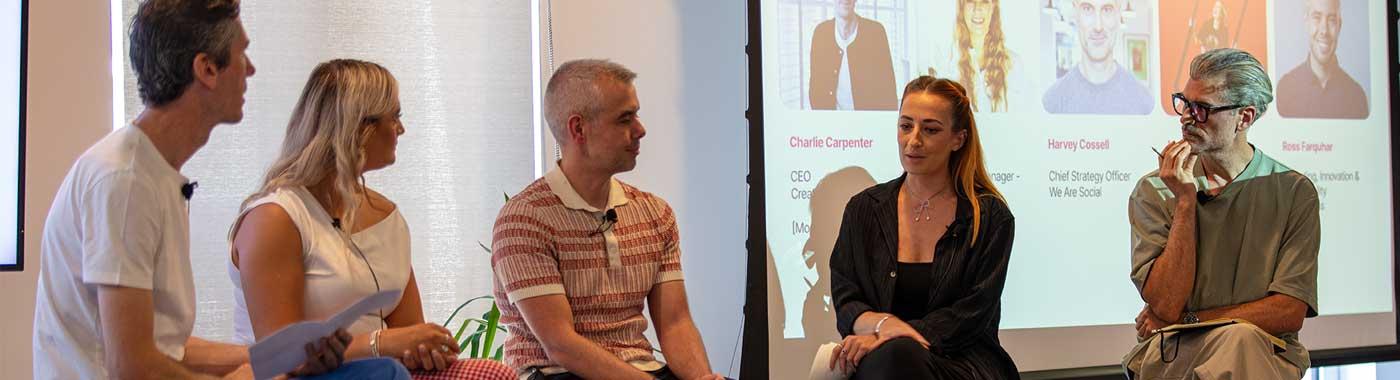
Marketing leaders from Unilever, Tony’s Chocolonely and Little Moons unboxed the future of influencer marketing at We Are Social’s Changing Face of Influencer event.

Nicola Kemp
Editorial Director CreativebriefHow do you solve a problem like ensuring that influencer marketing is at the heart of a modern brand strategy, while maintaining authenticity at scale?
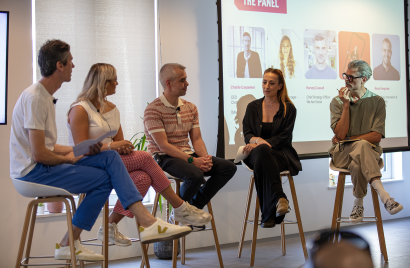
This is one of the many questions marketing leaders grappled with at We Are Social’s The Changing Face of Influence event, in partnership with Creativebrief.
Harvey Cossell, Chief Strategy Officer at We Are Social, expertly guided the audience through the many chapters of social culture. From celebrity endorsements to the era of bloggers and vloggers, to the evolution of influencers as we know them, typified by the first wave influencers such as Zoe Sugg. Then came the rise and rise of content creators, to the present day where the mass market appeal of influencers such as Molly Mae serve to underline that influencer marketing has gone mainstream.
Virtually every brand we talk to wants to talk about social and brand building.
Charlie Carpenter, CEO at Creativebrief
Cossell noted the fundamental fault line in influencer marketing strategy: the truth that marketing leaders need to relinquish an element of control. According to We Are Social’s Influencer Marketing Strategy research, 41.26% of marketers are concerned about creative control of influencer output.
Meanwhile, System 1’s research with TikTok, The Long and The Short (Form) of It, revealed that creator-led ads capture outsized attention, but often lack brand recognition.
Charlie Carpenter, CEO at Creativebrief, shared his belief that influencer is at the very top of the marketing agenda. “Virtually every brand we talk to wants to talk about social and brand building,” he said. According to Carpenter, there is a palpable shift towards long-term brand building across social channels.
The Unliever effect
While influencer culture has long been mainstream for consumers, the industry-wide focus on influencer and creator marketing was further fuelled by the words of Unilever CEO, Fernando Fernandez. The fact that he chose to share his plans for supercharging influencer marketing in his first public interview as CEO underlines the growth opportunity of the sector. Far from being a fleeting trend, Fernandez’s words underlined that influencer marketing is integral to the FMCG giant’s drive to build ‘desirability at scale.’
Fernandez advocated for what he terms the ‘4V model of social media’: variety of creators, volume, vitality and velocity of content.
Meg Bass, Global Media Manager at Foods at Unilever, shared that the FMCG giant is already in the midst of a significant increase in both investment and attention on influencer marketing. “The good news is that we are already doing a lot,” she explained.
Bass noted how the company has shifted from an era of broadcast marketing rooted in sharing one message with many to the era of precision marketing. Now Unilever is embracing the fresh opportunity of marketing rooted in a ‘many to many model’. “Influencers allow us to drive desire at scale,” she added.
This third wave of influencer and creator marketing is having ripple effects across the industry. From the significant impact on both agency rosters, to the rise of new C-Suite positions such as Global Head of Influencer Marketing.
As we bring influencers more into our media mix, we have to ensure it is not in a silo.
Meg Bass, Global Media Manager, Foods at Unilever
For Bass, harnessing the power of influencer marketing to drive demand at scale means the company has been focused on both removing the silos between marketing disciplines and reducing the complexity in agency ecosystems.
In her role, Bass has bridged the gap between media agencies and influencer agencies. “As we bring influencers more into our media mix, we have to ensure it is not in a silo,” she explained.
Within Unilever, the company differentiates between ‘brand say’ (which refers to brand created content) and ‘others say’ (which refers to when anyone other than the brand is promoting its products).
Bass shared the company’s goal to move away from transactional, reactive influencer work to instead operationalise long-term partnerships.
Since 2024, there has been an 800% increase in the number of influencer partnerships in its top 10 markets (including the US) and a 120% increase in spend on influencer creative. “We have big goals to scale in line with Fernando’s ambitions,” Bass shared, adding: “When we pick the right people to promote the right product at the right time, we really successfully drive sales.”
Building long-term relationships
Unilever has also transitioned from transactional relationships with influencers and creators to instead building long-term relationships. “Following is not our focus, it is their impact on the communities they are speaking with,” she shared, adding: “My personal view is that everyone can be a creator, but not everyone can be an influencer.”
At Unilever, marketing rigour is applied to influencer and creator relationships. When the company refreshed its agency ecosystem, it was working with well over 300 different agencies. Now the company has more transparency over both its ecosystem and how much influencers are being paid directly, alongside its agency fees. Celebrity endorsement is treated as a separate discipline, as is gifting.
Bass believes that when brand intention and influencer intuition are successfully blended, the gains can be significant. “We sit on so much data, so we can use that data to empower creators and show them how to perform in a media plan, versus organic reach,” she added.
Everyone can be a creator, but not everyone can be an influencer.
Meg Bass, Global Media Manager, Foods at Unilever
The power of the accidental influencer
Mochi ice cream brand Little Moons was founded by siblings Howard and Vivien Wong. The brand is an exceptional case study in the power of virality to supercharge brand growth. Ross Farquhar, Marketing Innovation and Sustainability at Little Moons, shared that the brand grew from a £7m to a £60m brand. Key to that growth during the third lockdown was an ‘accidental influencer’ filming herself going to ‘Big Tesco’ in search of Little Moons. The spark of virality came from the simple joy of searching for a sweet treat at a time when practically the only place consumers could go was the supermarket.
Farquhar was characteristically humble about the brand’s organic growth story. Noting that in his marketing career that ‘lightning had struck twice’. (He was also at Cadbury when the public campaigned to bring back the iconic Wispa chocolate bar.)
“TikTok is critical to us. When you are a brand in 38 different countries, the social proof of hearing about the product from someone you trust or aspire to is really important,” he explained.
Little Moons currently spends 15% of its marketing budget on TikTok and influencer marketing, with Farquhar sharing that is set to double in the next 2 years. Like many marketing leaders, Little Moons is also grappling with the substantial fixed cost of data.
The creator advantage
Farquhar shared how the brand is constantly evolving its approach to social and influencer marketing and placing creators in the driving seat. “We are more interested in creators rather than influencers,” he explained.
He notes that working with creators is simply a new way of hiring really creative people to create content on your behalf, just as the brand has done with advertising agencies.
“TikTok is part of our brand folklore,” he shared, noting the flexibility of creator-led formats versus more traditional advertising formats such as TV. While a brand would invest in a single TV spot, with creator formats the brand can experiment with five different formats and then place paid media behind the version which is performing best.
Creators can build equity for your brand.
Harvey Cossell, Chief Strategy Officer at We Are Social
Building creator and influencer communities
Nurturing relationships with these trusted influencers and creators is at the top of the marketing agenda.
Megan Walters, UK&I Digital Communications Lead at Tony's Chocolonely, shared how the brand’s influencer journey began with gifting. Fifty boxes of chocolates were sent to select influencers.
Walters shared that the relationship between the brand and its network of influencers is anything but transactional. “They champion Tonys because we have a really gorgeous relationship,” she explained. From being constantly in their DM’s to meeting up at Glastonbury, Walters never leaves these relationships to chance.
The brand has built up a network of 300 ‘Serious Friends’ who are often creators or influencers who have been talking about the brand prior to engaging with the programme. The influencers are chosen because they believe in the mission of the brand to end exploitation in coca production.
We Are Social’s Cossell agreed that having the right inclusion criteria and identifying the right partners is key to success. Pointing to long-term relationships as vital. He warned: “You have to be really careful not to abdicate responsibility for your marketing to third parties.”
However, he also noted the power of creators to drive a brand forward, adding: “Creators can build equity for your brand.”
Walters explained that Tony's Chocolonely is an ‘earned first’ brand and only started investing in paid media three years ago. The brand’s strategy tends to lie in amplifying organic social posts and focusing on seasonal moments in order to cut through with authenticity.
While every marketing leader is on a different stage of their influencer and creator journey, the red thread that runs through all their endeavours is recognising the strength of the relationship between creators and their communities. When brand intention blends with influencer intuition, the creative and commercial outcomes can be exponential.
The influencer opportunity
Three key takeaways for brands looking to capitalise on the new era of influence.
1. Entertain and inform
“If we pollute the platforms, they will hate us for it. People are fundamentally on these platforms to be informed and entertained,” explained Little Moon’s Farquhar.
“We are in a world of reach and engagement, If you are not interesting, you are not going to be seen.” added We Are Social’s Cossell.
2. Authentic Community is key
“We don’t want to buy trust, we want to gain it,” shared Tony’s Chocolonely’s Walters. Building long-term relationships with creators and influencers is key to success.
3. Don’t ignore TikTok Shop and the D2C opportunity
While the Direct to Consumer boom of the pandemic might feel like a bygone era, the growth of TikTok Shop is driving a new wave of D2C innovation. While not every brand currently has the logistical operations in place to service D2C sales, ignore this channel at your peril.
To find out more about the new era of social and influencer creativity register to recieve Creativebrief's Social Sells Report, packed with brand insights and practical takeaways