Voices
WACL announces winners of the 2025 Talent Awards
After a record number of applicants, women from British Airways, Group M, VML and TUI were amongst the winners.
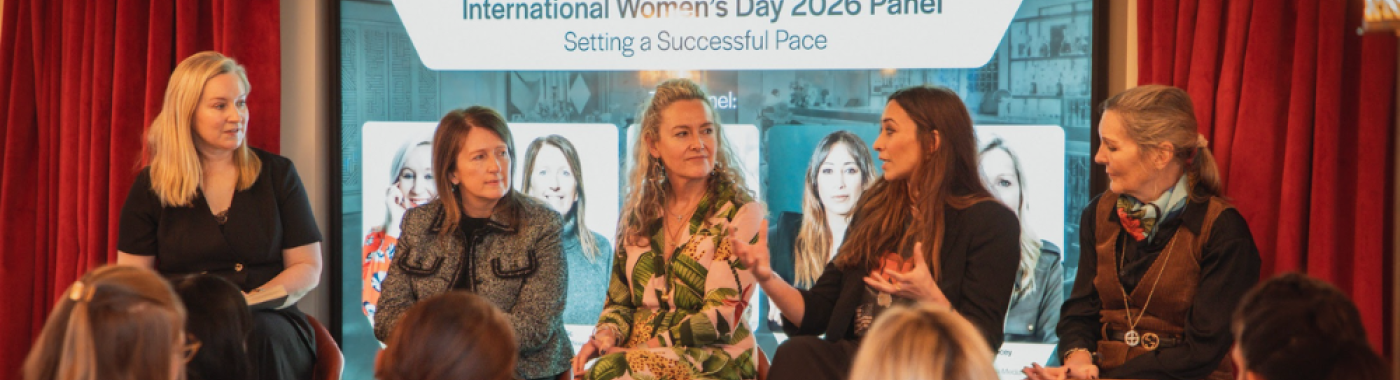
At the Open Media and Creativebrief IWD event leaders shared how to set a more sustainable pace so that women can go further not just faster in their careers.

It was recently reported that at the current pace of change, it will take 30 years to close the gender pay gap. While the most recent IPA Census reported the highest ever number of women in the C-suite at 46%, the pressure on these women to forefront change can at times feel like pushing water up a hill.
Major Players' Creative Industries Salary Census found that 120,000 women left the creative industries over the past two years. Women are facing burnout at an alarming rate. To avoid losing more talent, we must create a more sustainable working environment for everybody.
To mark International Women’s Day, an event supported by Open Media brought together female leaders to consider how we can set a better pace and support women in their careers.
A panel session hosted by Nicola Kemp, Editorial Director at Creativebrief, saw Karen Stacey, CEO of Digital Cinema Media, Fiona Ravlic, Chief Revenue Officer at Open Media, Rachel Forde, Co Founder of the Zoo.London, and Visha Kudhail, award winning global marketing leader, sit down to lift the lid on how we can go further, not just faster in our careers.
In an always-on industry, it is so easy to get distracted by the ever-increasing to-do list, that you forget to focus on where you want to be. The panel offered actionable and practical advice to avoid becoming passengers in our own careers.
Karen Stacey, CEO of Digital Cinema Media, shared that for her, working out what works for her, working within structures and setting herself rules, helped her to be more present. She shared that one of her rules is to only go out two evenings per week and that rules such as this have allowed her to be more productive and creative. For Stacey, learning and sharing knowledge is key. “If you aren't learning, you aren't asking enough questions,” she says.
Your experience is your IP.
Visha Kudhail, award winning global marketing leader.
Being more present can often be about deciding to look inwards and remembering that you are more than your job title. While the words ‘personal brand’ might fill us with dread, the panel urged the audience to think of it as building expertise and reputation so that others can advocate for us when we aren’t in the room.
“Your narrative has already been written, but who is writing that story?” Asked Visha Kudhail, award winning global marketing leader. She reminded the audience that: “Personal branding is not a vanity project.” Rather than being a source of cringe, taking the time to carve a personal brand can help you to attract the right projects and find identity outside of business. “Your experience is your IP,” she added.
While it is simply impossible to always be present, Rachel Forde, Co Founder of the Zoo London, added that building a personal brand is essential to creating ‘advocates and sponsors’. While we can’t be everywhere, having people to back us when we aren’t in the room can help to feel more present. She added that there is no shame in not being able to do it all. “Every decision is a series of compromises,” she says. Admitting that balance is not always possible can help you come to terms with the fact that sometimes things have to drop.
In a world of social media and personal branding, it is easy to ‘compare and despair’. Yet the messy reality of leadership is not going to be as perfect as it might seem online.
“Don't let pressure become personal,” shared Fiona Ravlic, Chief Revenue Officer at Open Media. She explained that while we won’t always be on our A game, it is important to understand when things need to be perfect and when we can give ourselves the grace to just get things done.
Every decision is a series of compromises.
Rachel Forde, Co Founder of the Zoo London
“As a leader, you are the weather,” added Stacey. “People want sunshine or the optimism that sunshine will come.” Pointing to the example of a tennis match where you don’t have to win every point to win the game, letting go of perfection can help us to do better work. “Nobody wants to work for a martyr,” she added. Delegating and being considered about growth is essential in creating a productive and optimistic team that feels trusted.
Worrying about those ‘what if’s, Forde explained that it is important to distinguish the hypothetical worries from the real ones. “You regret more the decisions you don't make than the ones you do,” she added.
At a time when many leaders are experiencing the sharp edges of burnout, the panel agreed that often this can come from taking on too many problems, forgetting to delegate and doing too much. “No is a full sentence,” reminded Kemp.
Where being ‘too emotional’ is used as a stick with which to beat women. Empathy, emotion and caring is what often sets female leaders apart and builds up teams to do their best work.
“Everybody’s strength is their superpower, caring too much is a strength and a weakness,” said Forde. She admitted that while there are some things she should care less about, caring helps her to strive for better.
As a leader, you are the weather. People want sunshine or the optimism that sunshine will come.
Karen Stacey, CEO of Digital Cinema Media
Leading with empathy helps to bring strong working relationships, but it can also be an emotional burden on leaders who care for their teams. “I love listening and being there, but it can suck energy,” said Kudhail. She shares that treating listening as mentorship and learning helps to make speaking about emotions more productive and helpful. “Know your energy,” she says.
A CEO who listens well helps to build a good working environment and productive relationships. Ravlic pointed to the importance of a positive mindset and self-belief. “If you don't believe, people can see it,” she says.
By being kind to others and shaping a workplace where we allow people to follow their own paths at their own pace, we can better hold on to the diverse talent that sets our industry apart. When so much of the industry’s success is built on the care, attention and talent of women, it is vital that those women do not feel pressured to pour from an empty cup.
Looks like you need to create a Creativebrief account to perform this action.
Create account Sign inLooks like you need to create a Creativebrief account to perform this action.
Create account Sign in