Three Things on Thursday: Women’s health, energy setting and Advertising Week
BITE’s fortnightly round up of the most read articles on the Creativebrief platform spans closing the gender health gap, energy setting and Advertising Week Europe.

Nicola Kemp
Editorial Director CreativebriefFrom the industry-wide conversation sparked by Netflix’s Adolescence to the unrelenting news cycle, you would be forgiven for feeling 2025 has been a year already. In reality, the advent of sunny mornings reminds us that spring is just getting going.
The start of a new season is the perfect time to consider how you spend your time. In a wider economic climate which has felt hostile to growth, in some parts of the market it is all too easy to run at things. While Einstein’s definition of insanity is ‘doing the same thing over and over again and expecting different results’, in an always-on and, at times, unforgiving industry ecosystem, it is all too easy to get stuck in a hamster wheel of our own creation.
The reminder from Javier Campopiano, Worldwide Chief Creative Officer at McCann Worldgroup and Worldwide Chief Creative Officer at McCann, to make the space for random and real connections felt particularly timely in a chaotic year. As he explains, “The only way to fight the predictable is to be more random.”
While it is easy to adopt the language of curiosity, it is far harder to carve out the time to consider the world through a lens other than your own. With the spirit of the random and curious in mind, here are three of the most read articles on the Creativebrief platform from the past fortnight.

Going further not faster in a polarised world
Maintaining momentum in 2025 hasn’t been easy. For diverse talent, the impact of a polarising news cycle is disproportionate. The decision to switch off the news is rooted in privilege.
At the same time, while International Women’s Day might be over for another year, it is important to recognise the gendered nature of how we spend each other's time. The United Nations reports that women engage in nearly twice as much unpaid work as men, averaging around 4 hours daily compared to men's 2.5 hours.
While our to-do lists might be unending, the hours in the day remain finite. With this in mind, we asked industry leaders how they are protecting their energy and promoting positive change at a time when inclusion is being placed on hold?
- Creativebrief:
- Read the article here
Changing the narrative about women’s health
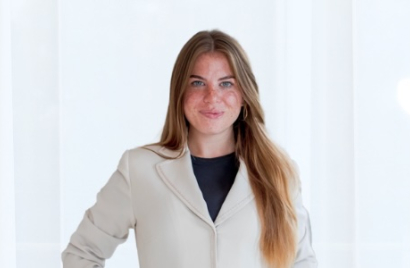
Chloe Ferro, Co-Founder of She Med, is set not just on launching a successful GLP-1 weight loss brand, but on changing the entire narrative surrounding women’s health. In a wider marketing ecosystem in which brands have long urged women to wage a lifelong war on their own bodies, her vision is compelling. When you consider how mainstream media brands have berated women for the very act of taking weight loss drugs in the first place, it appears that shame transcends scientific innovation.
“The SheMed brand has always been about transparency, right from the outset,” explains Ferro. She continues: “We see GLP-1 as a biological fix, not a cosmetic one. It is about how you feel. Weight loss is just one of the side effects but we are excited to see the impact on cardiovascular diseases and sleep apnea, amongst other conditions.”
The brand is riding the wave of a new era of creativity in healthcare marketing, underpinned by accessibility, technology and a more patient-centric approach to marketing. After being overlooked for so long, innovation in areas like personalised care, reproductive health, and hormonal wellbeing are now becoming mass market movements. When it comes to GLP-1 medications, SheMed is at the forefront of this change.
- SheMed:
- Read the article here
‘We are responsible for creating the industry we want’
There has always been something special about face-to-face events, networking and making the time to learn and listen from the brightest minds in the industry and beyond. In a hybrid working world, these moments of connection are arguably more important than ever.
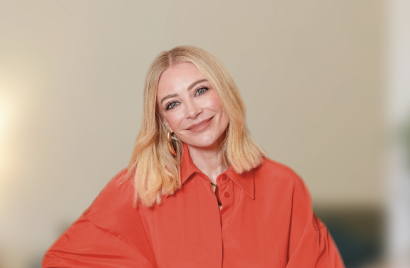
As Ruth Mortimer, Global President of Advertising Week, explains: “I definitely feel there's been a shift in people's working behaviour in general,” she explains. “For example, lots of our events we’ve made more concentrated because people aren’t in the office from Monday to Friday.”
She continues: “That lack of office environment has removed so many of the social and networking occasions. I think one reason why face-to-face events have become so important is because they are replacing what you might have done just by being in the office.”
- Advertising Week:
- Read the article here