Why confidence matters more than capability for AI leadership
The consequences of AI are shifting daily, at a pace that outstrips most organisational learning cycles, writes The Unmistakables’ Eli Keery.

Eli Keery
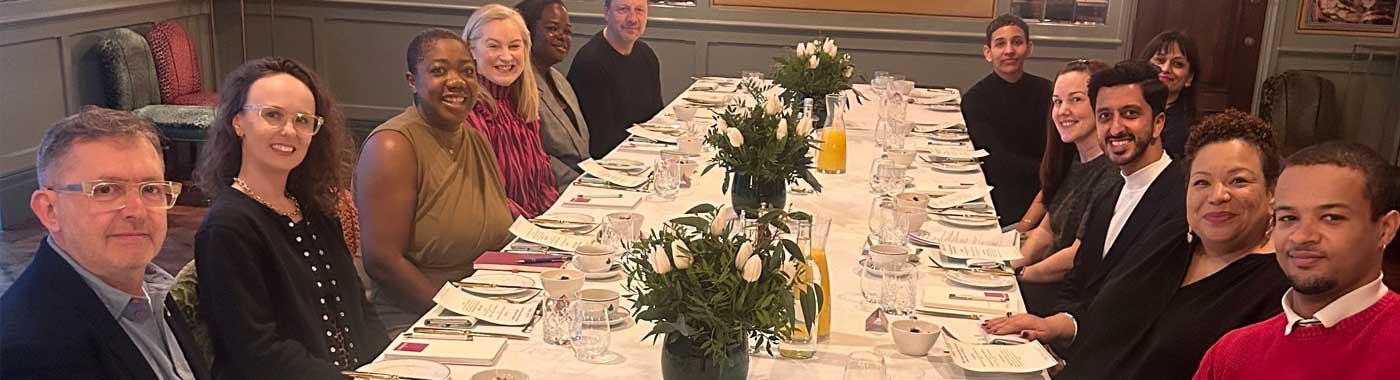
Inclusion Executive The UnmistakablesWhen it comes to the adoption and impact of AI, the truth remains for many organisations and marketing leaders alike, there are more questions than answers. At The Unmistakables Dine and Debate event, those questions were top of the agenda.
The Unmistakables created a space where leaders and businesses from different industries can come together, challenge their own assumptions, understand what is really happening on the ground and move forward with clarity and a shared sense of direction.
We opened the breakfast with the question: Where are organisations lagging in addressing the needs of people and how is that lag stifling relevance?
From there, the conversation quickly turned to AI.
Before the discussion settled into the familiar territory of efficiency, creativity and concerns of critical thinking, we deliberately pulled it apart.
AI is no longer a tool living behind a login or on a single platform. It is already embedded into everyday work and lived experience. There is no realistic future in which it is absent. So the more useful question for leaders is not what AI is taking away, but how people are being equipped to work alongside it with confidence.
AI is no longer a tool living behind a login or on a single platform. It is already embedded into everyday work and lived experience.
Eli Keery, Inclusion Executive at The Unmistakables
What became clear in the room is that we are still at the very beginning. What looks mundane today are still innovative case studies in application, while the pace of change continues to outstrip how quickly organisations are learning together.
At the same time, leaders are still expected to project certainty, progress and innovation, even as the environment moves faster than certainty can realistically hold. What began as organisational lag in keeping up with individual adoption starts to show up as organisational drag. Then in that gap, we begin to see what we dubbed ‘the organisational blag,’ where confidence is performed, aspirational but abstract ambitions are implied, understanding assumed, rather than confidence being built collectively.
We also spent time on where AI’s potential is already visible, from widening access to specialist knowledge and new routes to justice, alongside the very real harms already emerging, including deepfakes and gendered abuse. The takeaway we landed at was that outcomes with AI will be shaped less by capability alone and far more by the values and collaboration understanding that sit around its use and the volatile environment we find ourselves in.
Markets will continue to demand innovation. Leadership right now also requires recognising the emotional tax of change and resisting the instinct to go it alone. We may not always feel capable, but confidence can be built through shared values, openness and learning together.
That is what Dine and Debate creates space for.
If that sounds like a conversation worth being part of, pull up a chair.
Read the full article as part of The Unmistakables weekly newsletter here.

About
Eli Keery is an Inclusion Executive at The Unmistakables, where he works across inclusive research, cultural insight and strategy for UK and global brands. With a background in Sociology, his work focuses on understanding how culture, power and everyday behaviours intersect and how these insights can be translated into practical, commercially relevant action. He is also a regular contributor to The Unmistakables’ newsletter, The Memo, offering social commentary and cultural insight impacting growth, relevance and change for business audiences. Eli has led mixed-methods research programmes across multiple markets, designed inclusive research toolkits and delivered workshops that help organisations build greater cultural confidence. Outside of work, he is an aspiring dancer, regularly training and competing in street styles such as locking and popping. He is interested in how culture moves beyond its original boundaries and how movement, music and community create spaces for expression and belonging. He brings the same curiosity and care to his creative practice as he does to his research