
Trend
Let’s turn our feelings into things
Joe Goulcher reflects on how to meaningfully contribute to culture through comms
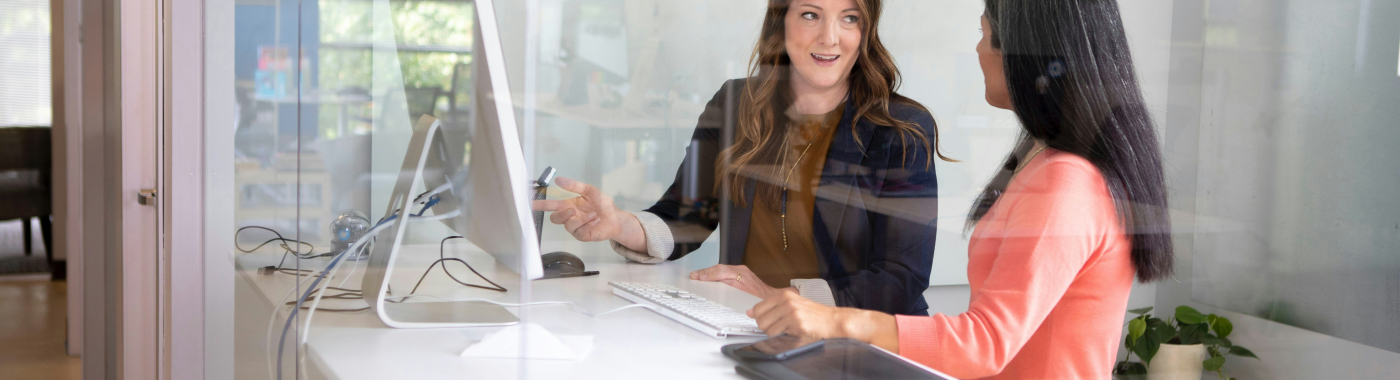
Creating culture and connection requires conscious effort, writes Jo Singleton.

At the start of this year, I wrote a piece encouraging brands to use 2025 as a moment to reimagine their internal comms, transforming lengthy, unread emails into meaningful micro-moments that connect people to purpose and unlock the power of employee advocacy.
Reimagining your internal comms, I concluded, doesn’t mean doing more - it means doing it better. But now, with the year motoring on at such a pace that we somehow find ourselves halfway through it, the question remains: what does better actually look like?
Earlier this month, I hosted a panel of brand leaders from across the marketing and internal comms world to explore exactly that. The conversation roamed, as the best ones do, from the role of leadership to measuring impact to building trust. But one question hovered in the background. A question that’s lingered in almost every comms conversation we’ve had over the past five years: As ways of working continue to evolve - office, home, hybrid, and everything in between - how does culture thrive across all of it?
It’s a great question and one we’re hearing more and more. And particularly pertinent in a world where we preach the power of those unplanned ‘micro-moments’ – things like a leader casually swinging by a desk to check in, or offering a quick ‘well done’ by the coffee machine - the small, human signals that say ‘you matter’. In a physical space, those moments happen naturally. But in a hybrid world, they need to be designed.
In a virtual or hybrid world, culture doesn’t just happen - it has to be shaped with intention.
Jo Singleton, Employee Communications and Engagement Director at Smarts
In a virtual or hybrid world, culture doesn’t just happen - it has to be shaped with intention. You can’t rely on the energy of a shared space to create connection. You need to build new rhythms and rituals that help people feel like they’re part of something, even when they’re working from different cities, time zones or kitchen tables.
Discussing this with our own clients, we’ve seen that culture thrives on rhythm - regular, familiar moments that create a sense of belonging. That might mean kicking off a Monday meeting with ‘something good’, hosting virtual coffee chats, or starting a Friday call with wins of the week. These aren’t fluffy extras - they’re the connections that holds hybrid teams together.
But the key to connections is consistency. We’ve seen great initiatives lose momentum because the pressure of deadlines took over - and those connection points became the first thing to go. So, we always ask: how can you make these moments part of how you work, not something you only do when there’s time?
Connections also fuel creativity, alignment and wellbeing. In our experience, teams that feel connected don’t just collaborate more - they innovate more.
So how can you facilitate creativity and knowledge-sharing when you're not in the same room? In many cases, remote work can actually unlock more creativity when it’s approached with intention.
We’ve seen real impact when organisations consciously bake innovation into the everyday: framing it as everyone’s job, asking ‘how could we do this better?’, inviting a mix of voices into virtual brainstorms, and giving people permission to experiment.
And it’s important to remember that - particularly for leaders - those micro-moments still matter. They might not happen around the water cooler anymore, but they can still feel authentic and set an important tone.
How can leaders show up consistently and authentically for remote employees? In a virtual world, it’s tempting to wait for the big ‘town halls’ or lean on set-piece moments. But often, it’s the simple things that land hardest: a quick Teams message, a spontaneous ‘thank you’, a short self-filmed (and unscripted) video update.
Bringing their own tone of voice is essential. That’s what creates the ‘click’ - when employees feel like there’s a real person behind the message, not just another piece of polished corporate speak.
Ah, the art of making it all feel natural and seamless, while taking it all incredibly seriously. We didn’t say it would be easy. But that’s why this question is so relevant right now. Businesses can’t wait and see whether culture survives the shift. If you’re not returning to fully physical workplaces, you have to stop culture from fading - and that means acting fast.
It’s up to us, as internal comms specialists, to build those connection points with care. To help leaders become cultural architects. To create the rhythm that lets culture, engagement and belonging thrive - in a world of work that looks nothing like it used to.
Jo heads up Smarts' Internal Communications practice, INgage. Before joining Smarts, she spent more than a decade working across Diageo's Global Brand and Communications team.
Looks like you need to create a Creativebrief account to perform this action.
Create account Sign inLooks like you need to create a Creativebrief account to perform this action.
Create account Sign in