
Trend
Sky Bet taps Roy Keane and Micah Richards for World Cup campaign
‘The World’s Gone Football’ highlights the football fever surrounding the World Cup.
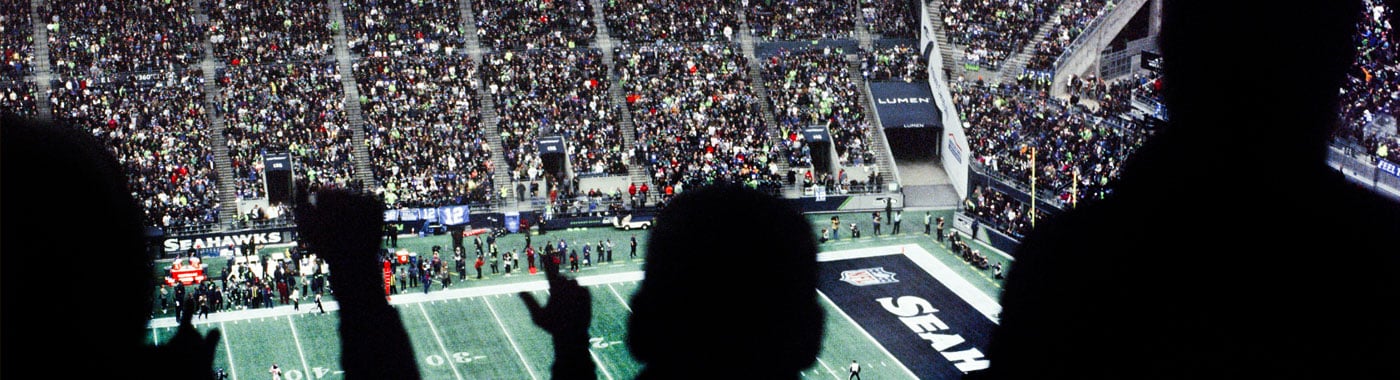
Technology can help brands get more out of their seasonal assets, but brands must lay the right foundations, writes Adam Cleaver.

Every year, the same thing happens. A huge cultural moment arrives - the Super Bowl, the World Cup, Christmas - and brands spend millions creating beautiful, seasonal assets that will never be used again. It’s not that there’s nothing to reuse; it’s because the way we make them hasn’t changed in decades.
Most seasonal content is designed like a finished poster: shot once, lit once, styled once, approved once. It looks great, but it isn’t built to move. You can’t re-light it or swap the world around without starting again. And often, much can be reused without repeating the creative execution. Not just products but angles, backplates, lighting set-ups, materials, shadows, reflections, animations and camera moves.
The irony is that AI has made this problem more visible, not less.
AI can create almost anything, but it can only adapt what was built to be adapted. A World Cup product shot created as a flat, decorative visual can’t magically become a Christmas one. A Halloween social asset built as a one‑off can’t be reused without starting again. The problem isn’t the idea, it’s the lack of reusable foundations underneath it.
By foundations, I mean the underlying 3D models, lighting setups, editable layers and modular environments that allow an asset to be reused without starting again. This is where many marketers using AI are getting things wrong. Not because the tools are bad, but because the inputs are.
A product image built with accurate, reusable 3D foundations can be instantly re‑lit for Christmas, recoloured for Easter, or re‑styled for Halloween, all without a single reshoot. A football‑themed social asset can become a festive one simply by swapping environments, props and copy, if the underlying asset was built to be editable rather than decorative.
The difference is between a picture and a system. And right now, most brands are still making pictures.
As automation ramps up, reusability becomes the only way to scale content without scaling cost. Machines can only scale what was built properly in the first place, which means the real work isn’t ‘AI doing everything,’ but building the systems around AI that give humans control again: the guardrails, the repeatability, the constraints that keep ideas sharp, consistent and on‑brief.
When brands build reusable foundations, three things happen:
● Production becomes dramatically more efficient. You build once, adapt endlessly.
● Quality goes up, not down, because the underlying assets are high‑fidelity and consistent.
● Seasonal moments stop being panic events.
They become planned, scalable, and predictable.
Some brands are already moving in this direction - building assets once as editable, structured, high‑fidelity objects, then using them across every moment, market, and channel. Reducing waste, increasing consistency and giving marketers something they rarely get: time.
If you want seasonal - or any - content at scale, the work starts much earlier than the brief.
It starts with the foundations: having a product asset you can reliably re-light, re-style, and re-contextualise, not a set of finished, unchangeable images.
Adam Cleaver is Chief Creative & Strategy Officer and a founding partner of Collective - a creative and technology company working at the intersection of AI, digital twins and brand systems. He focuses on redesigning how creativity and production operate in the age of automation, helping global brands modernise without sacrificing quality. Collective works with organisations including Unilever, Mercedes F1 and Avis Budget Group.
Looks like you need to create a Creativebrief account to perform this action.
Create account Sign inLooks like you need to create a Creativebrief account to perform this action.
Create account Sign in