IRL is back: Why it’s time to start optimising for being human again
Audiences are looking for real-world connection and we can be the facilitators, writes Annie Harte.

Annie Harte
Audience Strategy Lead eight&fourToward the end of last year, over 2,000 New Yorkers turned up to smoke a cigarette with a stranger after he handed out physical flyers inviting them. But here’s the catch: they weren’t there for the nicotine rush - they were there for connection. If that doesn’t show you that people are yearning for real life again, nothing will.
To understand why smoking meet-ups are suddenly a thing, it’s crucial we rewind and look at the last decade - and our obsession with social dominance. For years, culture has been created online. Award shows are judged by meme output. TikTok sounds dictate chart success. Our vocab (skibidi toilet, anyone?) comes straight from the internet. Holidays are chosen for the aesthetic. Even major brands now prioritise social budgets over traditional media. We’ve spent years optimising for online. But audiences eventually tire. And with that, they hit peak social.
When we create moments that people want to be part of, the amplification becomes effortless – because the audience chooses to carry it.
Annie Harte, Audience Strategy Lead, eight&four
If you work in social, alarm bells are likely going off in your head. Fear not – this is just the backstory that helps us understand how we should be showing up for audiences. Take Gen Z for example: they’re hosting ‘Delete Days’, practising ‘appstinence’ and diagnosing themselves with zoochosis (a behaviour typically found in captive animals). Even dumbphones are back, offering a sweet release from online life (and a nostalgic return to playing Snake). The data backs it up too: GWI found that time on social media peaked in 2022, with young people being the first to cut back. What that tells us is simple: consumers are looking for depth, not doom.
If we’re finally past being chronically online, there’s only one place left for us to go. IRL.
To explain the kind of IRL I mean, let’s take Pitbull (stay with me). In June, his O2 concert broke the internet – not because of the gig itself, but because of the FOMO it generated. The flex was being there on the night, being one of thousands wearing a bald cap. The entire event was documented, from Pitbulls on the Northern Line to crowds of baldies singing ‘Fireball’ while leaving the arena.
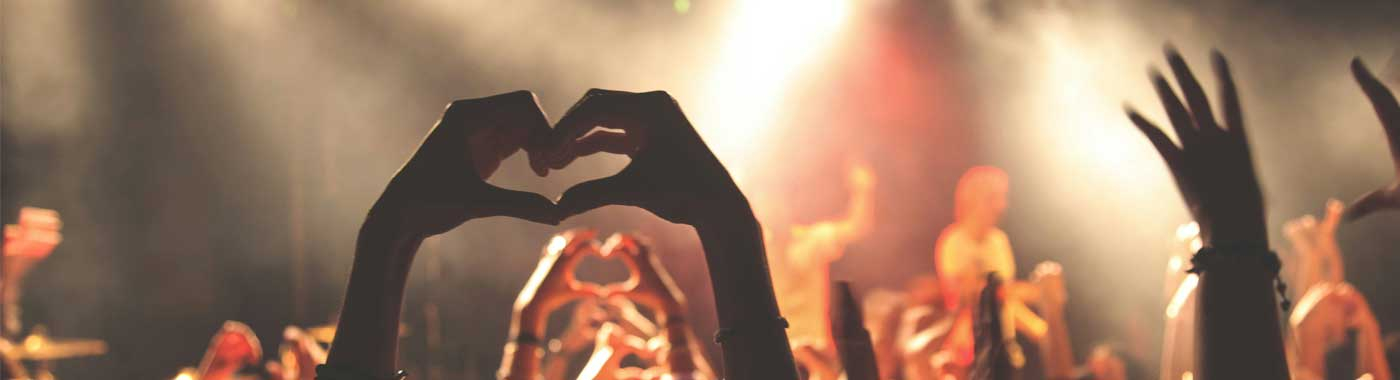
Bald caps aside, this is exactly what audiences now want: shared, ridiculous, joyful experiences. Pitbull unexpectedly becomes the blueprint. When we create moments that people want to be part of, the amplification becomes effortless – because the audience chooses to carry it.
In the context of social, recognise that presence creates power. IRL gives audiences things the internet simply can’t simulate – at least not fully. You get emotion with weight: oxytocin, dopamine, sensory memories. And of course, the unexpected. Serendipity. Algorithms serve us what we already like. Real life leaves us with a question mark as to what happens next. Take the recent Timothee Chalamet lookalike contest that blew up online. Who would’ve predicted the man himself, Timmy, showing up?
The shift matters because it changes the formula. It’s no longer ‘let’s hope for virality’. It’s about creating moments worth showing up for, then letting the people capture them. IRL might be the driver, but digital is where it’s amplified. And that’s the magic - meaningful experiences will instinctively get documented. Those emotions turn into social proof, which turns into FOMO, which creates virality. The unexpected becomes the ignition.
The secret? Make IRL moments feel like they happened organically. Hide the strategy. Conceal the effort. Design experiences that look like they just… happened.
Fandoms and micro-communities now hold immense power to shift opinion and influence consumption – use this to your advantage. The V&A recently hired four Taylor Swift superfans to help curate a Swiftie exhibition. Brought on board to provide insights into the fandom, the V&A instantly gave the community the chance to co-create with them. Or take Lime Bikes, which partners with niche meme pages to reach its target audience with content they know will resonate. Design for few and you win their influence.
And remember, bigger isn’t always better. Not every IRL moment needs to be a spectacle. Audiences are looking for real-world connection and we can be the facilitators. For example, after discovering that ‘running’ was one of the most used words across profiles, dating app Tinder partnered with Runna to host the “SoleMates” run club - a chance to get your miles in surrounded by potential love matches. My personal idea of hell, but a brilliantly simple activation and an architect of IRL connection.
So, in short:
- Design for shareability. Make the moment unforgettable in person, and unavoidable online.
- Build for micro-communities, not mass moments. Culture starts inward - reward your insiders.
- Let imperfection be part of your identity. Embrace spontaneity, mess, chaos. Imperfection is inherently human - and it builds trust.
IRL isn’t a nice-to-have anymore. It’s the main event. The cigarette meet-up in New York wasn’t about smoking - it was about showing up. Being present. Creating a memory that couldn’t be replicated by an algorithm. We’ve spent a decade optimising for screens. Maybe it’s time we start optimising for being human again.

About
Annie is the audience strategy lead at eight&four, specialising in audience discovery, insights and social listening to ensure campaign strategies are rooted in real context and emotion.