Tennent’s dreams of Scotland’s World Cup
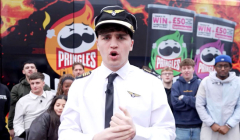
The campaign celebrates Scotland’s participation in the men’s World Cup group stage for the first time in 28 years.
As brands face rising media costs and shifting cultural dynamics, brands must look to social as the new modern brand ecosystem.
Not long ago, social media was where brands pushed polished content downstream – a megaphone for big campaign ideas. That thinking isn’t just outdated. It’s holding brands back.
Today, the most effective brand systems don’t start with TV. They start with TikTok. They don’t trickle down from a master campaign. They build upward from cultural behaviours and platform-native instincts. Social is no longer a place to publish. It’s where brand strategy, community, performance and participation converge. It’s the operating system.
We’re no longer living in a world where people consume media in neat, linear channels. Culture moves at platform speed. The brands cutting through in 2026 aren’t the ones chasing just consistency across channels. They’re the ones building emotional continuity across touchpoints. Audiences expect brands to behave more like people – to have a voice, a personality, a point of view. And that expectation doesn’t come from polish alone. It comes from showing up in the right way, again and again, wherever your audience is.
Look at how a fan DM to BRITA’s Instagram account – “BRITA” typed 2,400 times, matching the volume of their jug – turned into a playful, participatory moment that got amplified across social. No production budget. No media buy. Just a behaviourally aware brand willing to respond in real time. That kind of responsiveness builds emotional equity – and proves how cultural moments can start in DMs, not just media plans.
Brands that are culturally aware feel more human – and humans build better relationships than assets ever will.
Callum Ritchie, Social Strategist at Iris
A lot of senior teams still chase channel consistency – rooted in a 2014 Instagram grid mentality. But in 2026, discovery is driven by shareability and participation, not visual cohesion. Uniformity is comforting. But connectedness is what converts. And connection happens in the comment sections, the DMs, the duets and stitches – in the places where people are reinterpreting culture on their own terms.
Campaign-led systems are expensive to scale, slow to adapt, and easy to ignore. A beautifully consistent brand world means nothing if the world isn’t paying attention. We need to stop optimising for aesthetic sameness and start designing for interaction, emotional relevance and real-time feedback. Social is no longer the delivery point – it’s the discovery engine.
The most memorable brand moments today aren’t passive. They’re participatory. And when participation is designed into the system, brands stop broadcasting and start connecting. It’s where insight becomes creative, and where creative becomes performance.
True integration doesn’t mean making everything match. It means ensuring your brand shows up with cultural fluency wherever people encounter it. Social behaviours and signals should inform everything else – from PR to OOH to broadcast. This is about more than tone – it’s about tempo. Brands that move at cultural speed win relevance, and with it, results.
That might mean elevating a niche creator from TikTok into your next billboard. Or turning fan-made content into your performance marketing engine. It means recognising that humour, commentary, and community have just as much equity as your logo. Brands that are culturally aware feel more human – and humans build better relationships than assets ever will.
Social-first systems aren’t just more culturally relevant. They’re more efficient.
A TV spot during a national moment – like England’s Women’s Euro 2025 final, which pulled in record-breaking UK audiences – might still deliver reach. But when that same spend could drive over a billion impressions and real cultural momentum on platforms like TikTok, you’re not just looking at media efficiency. You’re looking at cultural impact.
Participation-first strategies generate earned amplification, community advocacy and creative longevity. Instead of paying for attention, you’re building it. These behaviours compound over time – because people don’t just follow, they stay.
Social is not the end of your comms plan. It’s the engine of it. It fuels creative development, drives distribution, and delivers insight at the speed of culture.
The brands growing in 2026 don’t rely on big, expensive moments. They invest in sustained, meaningful interactions – ones that turn fans into collaborators and campaigns into ecosystems. This kind of momentum can’t be bought. It’s earned – one post, one conversation, one behaviour at a time.
Social isn’t just a channel anymore – it’s the system modern brands are built on.
Cal is a Social Strategist at Iris, working across FMCG, alcohol, loyalty, food and drink, fashion and culture-led brands. He leads social strategy and always-on delivery for clients including BRITA and Samsung, helping brands stand apart, ride culture and move behaviour in an increasingly commoditised social landscape. His work is grounded in participation – building ideas that earn their place in people’s lives rather than interrupting them. Known for pushing brands to be braver and more culturally relevant, Cal challenges clients to move beyond content for content’s sake and focus on work audiences actively choose to engage with. Alongside his client work, Cal is a committed advocate for creative careers. He previously ran a non-profit supporting people in the creative industries during times of hardship and continues to champion under-represented talent through mentoring and advisory roles across industry initiatives.
Looks like you need to create a Creativebrief account to perform this action.
Create account Sign inLooks like you need to create a Creativebrief account to perform this action.
Create account Sign in