
Sport and the CSR shift
CSR is shifting and long-term brand action is winning over PR moments

Lyndsay Snoddon
Group Account Director The Union
CSR (Corporate Social Responsibility) has been through a reckoning. For years, too many campaigns ticked the “good cause” box with a seasonal burst of activity, only to vanish when the next big cultural moment came along. Audiences, especially the younger, more ‘values driven’ ones, have grown wise to it, and weary of it.
In 2025, I think we can begin to see this shifting. The brands making the most impact are the ones moving beyond one-off gestures, embedding themselves in the causes they champion and showing up consistently over time. They’re proving that corporate social responsibility isn’t just a fleeting moment designed to get some PR coverage; instead, it’s about making a shift to genuinely impactful initiatives. Credibility comes from action you stick with.
There are a few reasons for this:
- Consumer scepticism towards ‘purpose-washing’
- Increased scrutiny from media, industry and the ASA
- Cultural momentum around inclusion and equity
One of the clearest places to see this shift right now is women’s football. Historically treated as a feel-good sponsorship opportunity, it’s becoming a proving ground for how to do purpose right. Around the UEFA Women’s EUROs 2025, a wave of brands demonstrated what long-term, authentic CSR can look like. Let’s take a look at the trends we can see in how brands are showing up.
From sponsorship moments to structural support
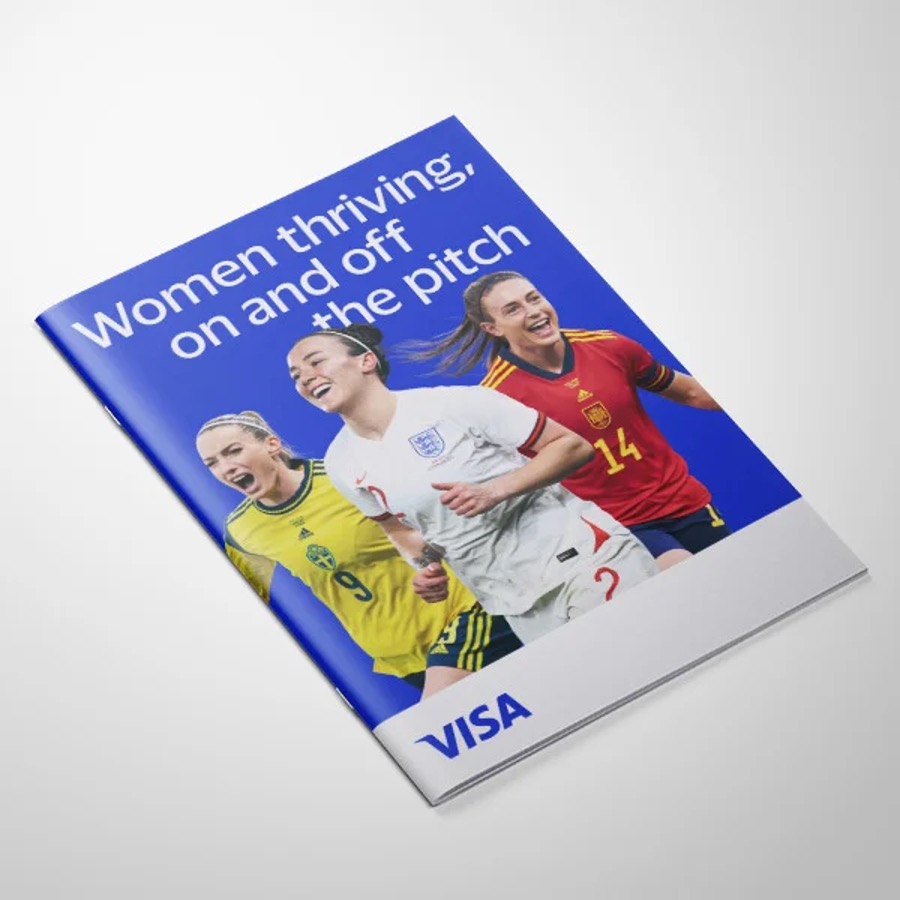
Visa’s The Second Half campaign is a standout example: launched with Karen Carney and UEFA, it focuses on post-career opportunities for women in football. The initiative provides resources, training, and visibility to help players prepare for life after the game.
This is sponsorship evolving into something more strategic and enduring, investing in the systems and pathways that sustain a sport long after the trophy is lifted.
Other examples from brands in other industries: LEGO Foundation – funds teacher training programmes. Patagonia – backs grassroots environmental groups. Spotify – year-round support for emerging artists.
Grassroots stories over glossy self-promotion
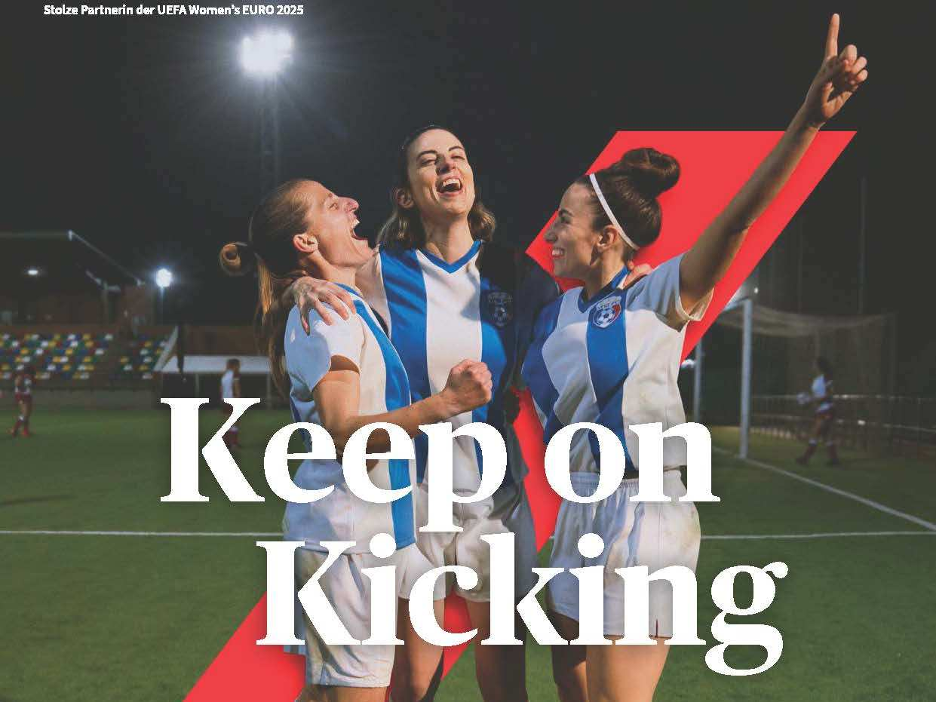
Purpose-driven marketing often struggles to balance brand-building with authentic cause support. AXA’s Keep on Kicking gets it right.
Rather than centring themselves, AXA spotlighted the real people driving the game: players, coaches and volunteers. The campaign builds on years of the brand’s investment in women’s football in Switzerland and across Europe, including volunteer programmes in UEFA Women’s EURO 2025 host cities. The message is clear, CSR lands harder when the story belongs to the community, not the sponsor.
Other examples from brands in other industries: Ben & Jerry’s – amplifies activist voices. Airbnb – offers free housing via hosts in crises. Nike – funds local coaches in underserved areas.
Portfolio power – purpose across multiple brands
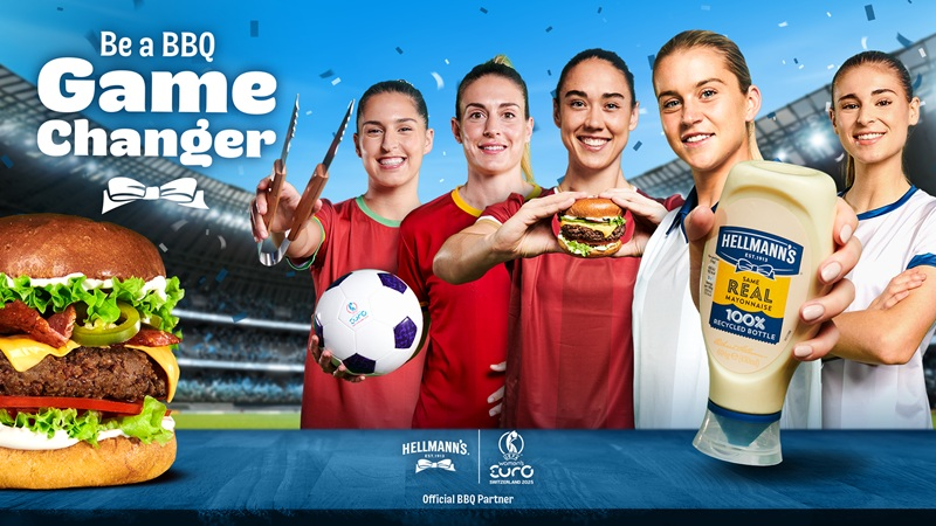
Another clear shift is parent brands activating CSR consistently across their full portfolio for greater reach and resonance. Unilever, whose official partnership spanned Hellmann’s, Dove and Rexona (Sure). Rather than one hero campaign, each brand found its own authentic way in. Hellmann’s launched BBQ Gamechangers, celebrating women who strengthen their communities through food and sport, with local pop-ups and match-day recipes. Dove stayed true to its purpose, using the moment to promote movement and confidence for young women, supported by global workshops. Rexona leaned into physical empowerment and visibility for female athletes with social takeovers.
Every activation felt relevant, rooted and real, and as a collective, the impact feels more powerful, shifting perceptions of Unilever as well as the product brands themselves.
Other examples from brands in other industries: P&G – shared social goals across multiple products. LVMH – applies its LIFE 360 sustainability strategy across all brands, from Louis Vuitton to Moët Hennessy.
Long-term narratives beat one-off stunts
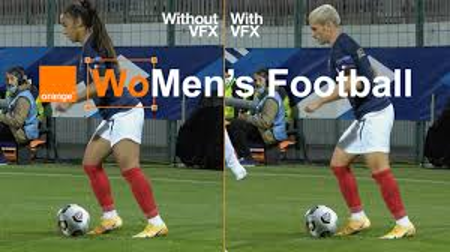
The final shift I’ve noticed is in the storytelling aspect and consistency of narrative. Impact grows when a creative idea is allowed to breathe over time and brands don’t hop from one story to another. Orange’s Only a Woman, originally launched for the FIFA Women’s World Cup 2023, returned this summer as part of the brand’s ongoing commitment to women’s football in France.
The twist, showcasing jaw-dropping football clips before revealing all the athletes were women, remains as sharp and shareable as ever, elegantly challenging bias. Bringing it back might have been a recycling exercise but the consistency and continuation feels strategic as the story has developed and relevance grown.
Other examples from brands in other industries: John Lewis’ decade-long Christmas storytelling with people at its heart. Guinness evolving its ‘Made of More’ platform.
It might be the beginning of a shift in how we market CSR but I predict it’s not the end. None of these examples screamed “look at us doing good” and that’s their power. For the communities and the brands. It’ll be interesting to see how this shift impacts results, in particular perception.
What we’ve learned? If brands want to play a meaningful role in culture, they need to think beyond the single campaign cycle. Show up with something that belongs in the moment then stay for the long game. Less talk. More action.

About
Lyndsay is a strategic marketer with a background in digital and a passion for integrated campaigns that drive real results. Starting her career in SEO, she quickly developed a sharp eye for performance and a love of brand-building. Since joining The Union in 2019, she’s led major accounts across finance, retail, FMCG, tourism and the public sector. Named the Marketing Society’s Rising Agency Star in 2021, she now serves on its Advisory Board.