

Trend
HFSS isn't a media problem, it's a growth problem
A brand-building and platform-nascent approach is growing more important for food brands.
Andy Tucker outlines how brands can approach new LHF regulations with creativity.

There’s a big change coming, that all those hugely tasty but massively unhealthy snacks out there might find a little hard to swallow. Set to take effect from 1st October this year, the new rules are getting super strict on the advertising of Less Healthy Food (LHF) products in the UK.
So all those crisps, fizzy drinks and burgers we love a little too much as a nation, are going to have to do a lot of hard creative thinking. Because the key rule change is that their products can’t appear in a lot of advertising channels, including tough legislation for TV and online channels.
It is, of course, A Very Good Thing, designed to combat the horrendous childhood obesity rates in the UK. And it could actually be a very good thing for advertising. It’s potentially going to be an exciting time to see how food and drink brands navigate this change from traditionally relying on product shots, and what creative responses will come out on top.
And there are a few interesting ways brands might do things differently in a new effort to stand out.
It could be brands look to their past and bring their heritage to life, and amplify their brand story over actual product focus. Guinness ran executions for its successful Made of More campaign that focused on stories of courage, community, and craftsmanship, and didn’t feature any pints. Or could we see more compelling stories that highlight a brand's values to better resonate with customers?
Instead of focusing on the product, brands might want to try and connect with consumers on a more emotional level. Think of the John Lewis Christmas ads, like Man On The Moon. The products are secondary to the way they make you feel. There are lots of brands in this space where product is featured minimally or subliminally. Like Coca-Cola's "Share a Coke" campaign, where the brand's logo was replaced with popular names. But it will be interesting to see who is brave enough to embrace heightened emotion without any product at all.
Working with high profile individuals who align with the brand's ethos can help promote brand values and messaging without directly showcasing products, reaching a potentially broader audience and building trust. Nike's famous/infamous collaboration with Colin Kaepernick, for instance, focused on social justice and equality without explicitly promoting their specific products.
With traditional advertising channels becoming more restrictive, maybe it’s a good time for brands to explore alternative channels to reach their audience? Such as podcasts, influencer partnerships, and branded content on streaming platforms. There could be plenty of opportunities to engage consumers in a more personalised and less sales-y manner. Spotify's branded playlists are a good example of this. Aligning with customers’ interests and promoting the brand’s identity, but in a very non-intrusive way.
Brands might learn a thing or two from radio, and use sound much more effectively in TV and digital ads. In the worlds of food and drink, audio triggers are ideal for implying the feeling a product can stir, or the specific emotion it can evoke, for example, without a need to show it. Maybe we’ll see (or hear) more ASMR-type cues? Our hungry and thirsty brains can fill in the rest.
There are a couple of notable examples of brands recently running campaigns that might actually get around the rules before they even come into place. Häagen Dazs unveiled a new billboard campaign this summer that just showed the stick. No ice cream. No packaging. Would that get past the ASA? McDonald’s ran a widely praised campaign that had no images, just a list of their burger ingredients, set in striking typography. Neither their name nor logo were featured. But you knew it was them. So it will be interesting – and fun, to see who can come up with new and creative ways to meet, or bend, the rules and still boost sales.
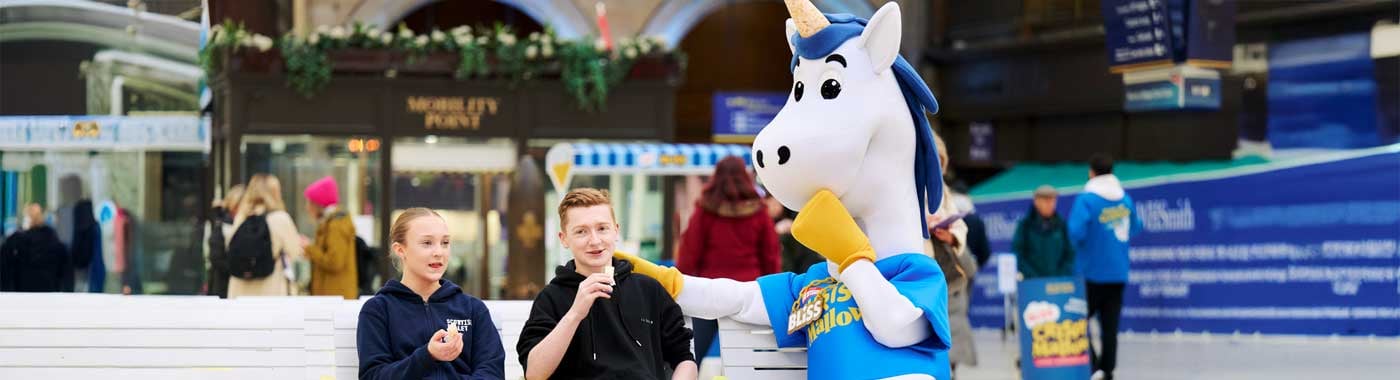
We actually have a very healthy snack client in our agency, but wanted to take on the might of Kellogg’s. And so had to think differently. Product shots just weren’t going to cut it. So we created a 7ft unicorn. He was the focus of our campaign, rather than the bars themselves, and that helped us reach a tasty 4.5million customers on a fraction of the budget of the competition. So it pays to try something bold and different.
![240127_union_bliss_0470[62].jpg.jpeg](/application/files/9917/5802/3808/240127_union_bliss_047062.jpg.jpeg)
Andy is a multi-award winning copywriter who has worked in major UK advertising agencies and global network agencies for 25 years. Creating campaigns for household name brands including NSPCC, Tennent’s, Glenmorangie, Magners, Shelter, Heinz and The Co-op. He leads creative across The Union’s clients, as well as running unique brand and creative workshops in stunning natural locations.
Looks like you need to create a Creativebrief account to perform this action.
Create account Sign inLooks like you need to create a Creativebrief account to perform this action.
Create account Sign in