
Fuel Your Imagination
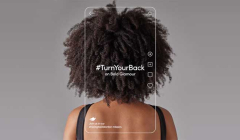
Dove invites consumers to take a stand against digital distortion
The beauty giant is calling on consumers to #TurnYourBack on the #BoldGlamour filter
Brands must meet audiences where they are in a changing health and wellness landscape.

Every January, wellness becomes a focal point for millions. And every year, the industry prepares to sell transformation.
It is a big business. In the UK alone, the fitness industry was valued at more than £6.5 billion by mid-2025, fuelled by gym memberships, supplements, apps and at-home equipment. But more than a decade on from the rise of meal replacements and always-on optimisation culture, young people’s relationship with wellness looks very different.
If you want to understand how the next generation thinks about fitness, we need to understand how they behave online. Not in theory, but at scale.
Being in dialogue with online communities is no longer about jumping on the latest viral sound. Social platforms have become a behavioural mirror for how a generation builds its relationship with fitness, recovery and routine. Creators have understood this for years. Brands are only just catching up.This is where infrastructure matters. Most insight into wellness still comes from surveys, trend reports or retrospective analysis. Useful, but slow. Billions of creator posts are shaping public perception and taste every moment, setting new routines long before they are named, packaged or sold.
Scroll through GymTok, RunTok or WellnessTok and a clear pattern emerges. Young people are not searching for peak performance or aesthetic perfection. They are using movement, recovery and routine as tools for stability in an increasingly unstable world.
Analysis of more than two billion TikTok videos shows content focused on regulation and recovery accelerating rapidly. Sleep content pulls in over 31.5 million weekly views. Nervous system content, while smaller, is growing at 46 percent year-on-year. Night routines, five-to-nines before nine-to-fives, journaling and mindfulness fill feeds for a generation trying to reclaim control over their time and energy.
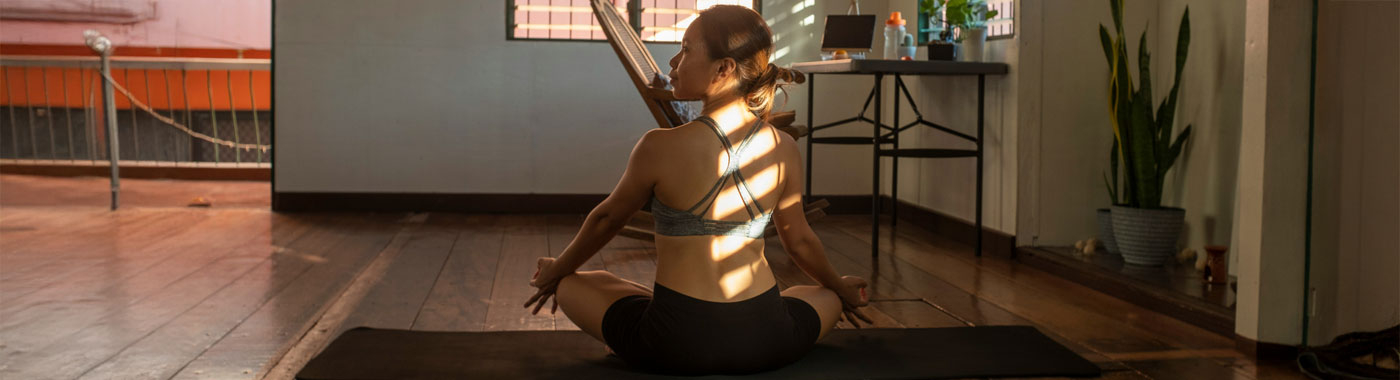
Exercise reinforces this shift. Yoga content has doubled in a single quarter, pointing to renewed interest in mind-body integration. Strength training and hot pilates continue to grow, not just for physical outcomes but for the sense of structure they provide. In an independent survey of 950 Gen Z and Millennial respondents across the UK and US, 86% reported feeling burnt out. Recovery has moved from the margins to the centre of modern wellness.
That recovery is increasingly precise and measured. Cold plunges, red-light therapy, sleep scores and structured wind-down routines proliferate online, often mediated by the same screens contributing to the sense of overwhelm. Fitness brands now walk a tightrope. Support healthier choices and routines, or risk adding to the noise.
Real stories, familiar struggles and visible progress that feels achievable resonate more deeply than perfection ever could.
Dev Karaca, CEO and Co-Founder at Kyra
For brands, this creates an uncomfortable truth. The old playbook of loud launches, extreme promises and short-term motivation no longer matches how young people engage with wellness. In a landscape defined by fatigue, excess messaging does not just fail to land. It pushes people away.
This shift is most pronounced among Gen Z. In our survey, more than two-thirds cited stress reduction as their primary motivation for exercising, compared with just over half of Millennials. Where Millennials were more likely to associate fitness with looking good, Gen Z is far less concerned with display. For them, movement is a way to stay steady and get through the day intact.
You can see this cultural turn clearly when you compare Wellness brands from today with previous eras. Goop, with its aspirational, ultra-luxury vision of wellness, captured a moment. But brands like Lemme, positioning supplements around simplicity, calm and daily support, speak more directly to Gen Z’s emotional reality.
By contrast, many past campaigns now feel out of step. Pain-centric marathon advertising, discipline-obsessed narratives or overt body-shaming once cut through. Today, they feel loud, distant and disconnected from how young people actually live.
With 67% of Gen Z saying fitness forms part of their identity, wellness has become a foundation for community. Run clubs continue to grow steadily. Gym content remains culturally dominant. Sober content is rising at pace. But this also changes who people trust.
Elite athletes still inspire, particularly on their own platforms, but relatability increasingly drives influence. Someone may admire an Olympian, but they are often more persuaded by a 26-year-old training for their first half marathon. Real stories, familiar struggles and visible progress that feels achievable resonate more deeply than perfection ever could.
Gen Z disengages from brands that demand effort, interpretation or constant motivation. But brands they can imagine slotting effortlessly into someone else’s life on their feed become dependable, routine.
The data shows clearly that wellness today rewards consistency versus spectacle. Campaigns focused on big hype moments rarely translate into lasting behaviour change - what compounds is repetition. The same creator showing up week after week. The same routine appearing across contexts. The same product quietly embedded into the feeds and content that customers love.
Creators are uniquely powerful here, not as one-off endorsements but as carriers of habit. Until recently, brands struggled to operate this way. Managing hundreds of creators across markets with consistency, accountability and measurable outcomes wasn’t feasible. New technology now makes it possible to treat creator-led wellness as more than a series of campaigns, but as an infrastructure that supports customers’ lives. The start of the year might be big for fitness, but brands that want to win year-round will run campaigns that are scalable, in true dialogue with their customers, and designed to slot into real routines.
Dev Karaca is the founder of Kyra, the AI-native operating system that runs influencer marketing for global enterprise brands. After more than a decade inside the influencer economy, Dev saw the same issue repeat at scale: brands were investing millions, but influencer marketing remained fragmented, manual, and impossible to defend in performance conversations. Kyra was built to change that. Today, the company operates influencer marketing as a real media line, managing global programs across markets, creators, and product launches, with predictable outcomes and measurable performance. Under Dev’s leadership, Kyra combines one of the world’s deepest creator intelligence datasets with predictive modelling and managed execution. The result is influencer marketing that scales without chaos, performs without guesswork, and holds up commercially at the highest level. Dev is known for challenging legacy agency models and reframing influencer as infrastructure, not a one-off campaign channel, but a core system inside the modern marketing mix.
Looks like you need to create a Creativebrief account to perform this action.
Create account Sign inLooks like you need to create a Creativebrief account to perform this action.
Create account Sign in