Trend
How to make advertising with a smile
System1 uncovers the secrets to Aardman’s success in new book, Putting On a Show.

System1 uncovers the secrets to Aardman’s success in new book, Putting On a Show.

Advertising demands brevity. Unlike feature films or television series, ads must deliver a compelling narrative in mere seconds. This constraint requires exceptional clarity and creativity to capture attention, evoke emotion, and provide resolution in a short timeframe.
Award-winning animation studio Aardman is well known for its work on Chicken Run, Wallace & Gromit, Flushed Away and more. Aardman also delivers much more condensed stories, working with brands on ads for everything from mattresses to marshmallows.
Upon discovering that campaigns made by Aardman vastly outperform the average ad by eliciting more emotion in audiences, we at System1 decided to dig deeper to uncover the secrets to Aardman’s success, sharing the insights in our joint book Putting On a Show.
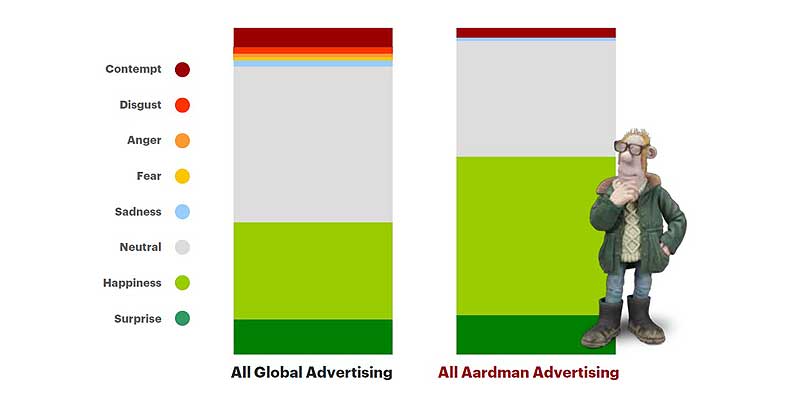
Research from System1’s Jon Evans, eatbigfish’s Adam Morgan and Peter Field has found that the most common response to advertising is neutrality. Whilst it’s true that the majority of advertisers want to evoke positivity to drive favourable associations with their brand, positive emotions like happiness and surprise aren’t the only ones that are effective at driving commercial impact. After all, it’s important to make people feel something rather than nothing.
The best emotional journeys are dynamic, using moments of tension, failure, or conflict to keep audiences engaged.
Andrew Tindall, SVP, Global Partnerships, System1 and Beth Marchant, Senior Strategy Manager, System1
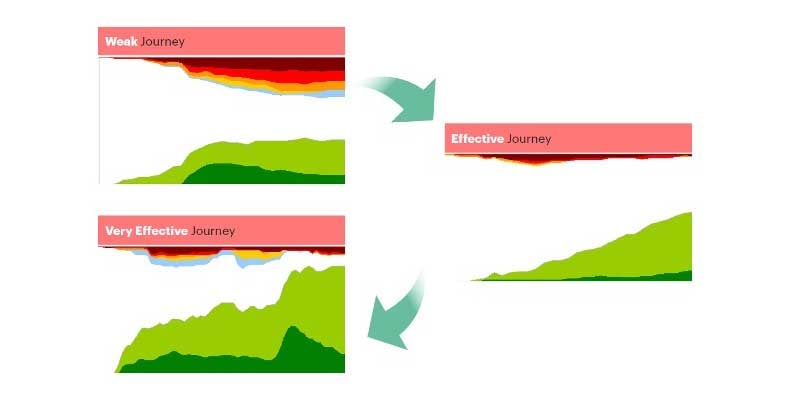
System1’s extensive database of ads and emotional responses from real people reinforces that the most effective ads follow a clear emotional arc: a beginning that sets the stage, a middle that introduces tension or a challenge, and an end that resolves that tension, leaving audiences satisfied and therefore with a positive impression of the brand.
That’s right – negative emotions resolved with positive emotions make for advertising gold.
The best emotional journeys are dynamic, using moments of tension, failure, or conflict to keep audiences engaged. Negative emotions, when balanced effectively, add stakes and texture to a story.
System1’s FaceTrace measurement provides invaluable insights into how these emotional journeys play out in real time. FaceTrace works by tracking and illustrating viewers’ self-reported emotional responses, such as happiness, sadness, or surprise, second by second throughout an ad. This detailed analysis helps marketers understand how audiences are feeling at each point in the narrative, identifying peaks of engagement and areas where the story may lose impact.
Aardman understands that moments of tension and negativity are essential for creating compelling emotional journeys. These moments, when used sparingly and balanced with a satisfying resolution, heighten the stakes of a narrative and draw audiences in.
The use of negativity as a tool, rather than a detractor, is exemplified in the campaign for Cats Protection, “Casper’s Magical Journey.” By crafting a narrative that takes viewers through moments of tension and heartache, Aardman demonstrates how sadness can reduce the level of neutrality, before the emotional arc concludes with a satisfying resolution that leaves audiences feeling positive.
Based on a true story, the campaign follows the heartwarming journey of a young boy, Daniel, as he anxiously waits for his missing cat, Casper, to return.
The narrative introduces negative emotions early on, as viewers feel sadness when Casper goes missing just before Christmas. Aardman uses these negative moments effectively, heightening the emotional stakes as the family begins to lose hope. Tension peaks before the turning point—Casper’s eventual return. The ad carefully builds on this tension without overwhelming the audience, offering a poignant emotional journey that is both relatable and heart-wrenching.
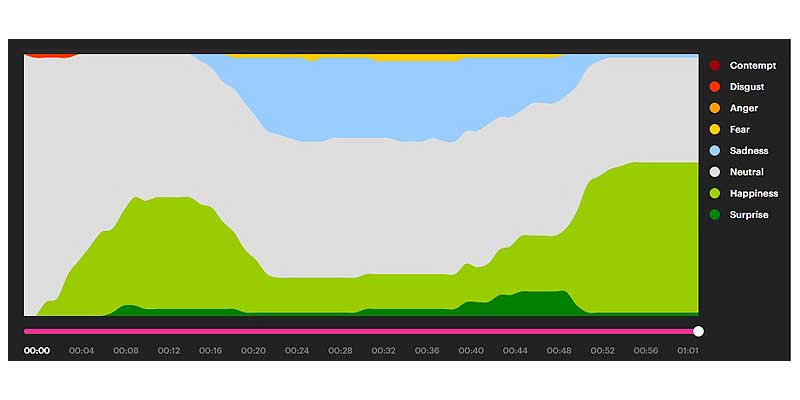
The payoff comes with a joyful reunion, hitting a peak of happiness as Casper is found and brought home, thanks to his microchip. This peak-end resolution, where the emotional journey concludes on a positive note, ensures that viewers are left with a lasting sense of warmth and satisfaction.
The ad delivers a powerful emotional punch, earning an impressive 5.2 Stars in System1’s testing, predicting ‘Exceptional’ long-term brand-building potential and far exceeding the UK charity ad average of 1.7 Stars. While many charity ads leverage sadness to tug at the heartstrings of audiences, they often have trouble resolving these feelings with more positive emotional reactions, which is essential for inspiring people to act.
When creating your next campaign, it’s important to consider the emotional arc. Does your story create moments of tension and challenge to effectively engage the audience? Most importantly, does it resolve with a high point that leaves viewers feeling good about your brand? Be like Aardman and craft rich narratives filled with characters that can deliver highs and lows to take consumers on an emotional journey.
Putting On a Show is System1 and Aardman’s joint book that celebrates the magic of advertising with character, story, humor, and craft – and shows how putting on a show, as Aardman so often does, delivers lasting business impact.
For more information about System1, the Creative Effectiveness Platform, visit system1group.com/. For more information about Aardman, an independent, multi-Academy Award® and BAFTA® award-winning studio, visit aardman.com.

Andrew Tindall is SVP, Global Partnerships at System1 and Beth Marchant is Senior Strategy Manager at System1
Looks like you need to create a Creativebrief account to perform this action.
Create account Sign inLooks like you need to create a Creativebrief account to perform this action.
Create account Sign in