
Trend
‘Tis the social season: Rethinking Christmas campaigns
Ines Casas, Social Director at eight&four, on moving Christmas storytelling from TV to social media.
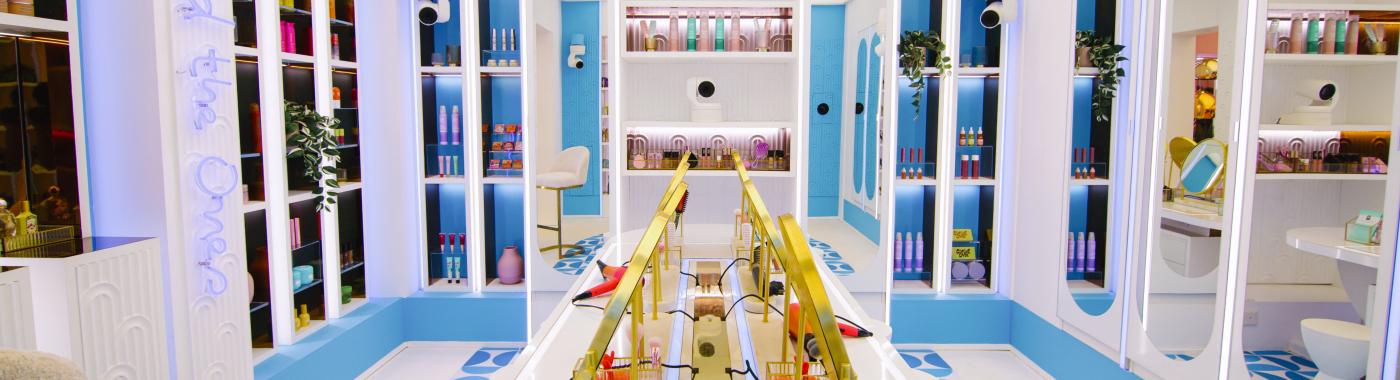
Love Island underlines how a proliferated media landscape has led to changes in the ways audiences consume content.

Love Island has become a bit of a summer ritual. Tuning in for the drama, the awkward chats, the firepit twists. But what’s interesting is that most of the big moments aren’t just being talked about after the show. They’re being clipped, memed, and debated on TikTok - often before the credits have even rolled.
This shift says a lot about where reality TV really lives now, and how broadcasters are starting to adapt.
The current series has sparked a revival in social buzz after a dip in more recent years. BBC reported that Love Island’s official social accounts have gained 1.8 million new followers since the start of 2025 - over a million of them on TikTok. Scroll through your feed and you’ll see chaotic villa clips racking up millions of views, commentaries dissecting every kiss, conversation and dumping. The memes travel faster than the show’s plotlines.
I started out as a TV producer on shows like Married at First Sight and Don’t Tell the Bride, but over time, my skills and perspective have shifted from broadcast to online. It’s a change that mirrors what’s happening across the industry. What we’re seeing now is more than just a spike in attention; broadcasters are starting to rethink how TV is made, and where their biggest cultural moments actually happen.
TikTok is quietly becoming the first place people experience TV, not just where they go to talk about it afterwards.
Adam Bacon, Lead Producer at Coolr
This season, producers have shortened and sharpened scenes to match the fast pace of TikTok. Moments that once dragged on, like a dumping, are now quick, punchy bursts: a text, a reaction, and suddenly the villa erupts. It’s all about making clips that can stand alone on both social and TV without needing an hour of build-up.
People watch the show alongside commentary about the show. TikTok creators are narrating episodes in real-time, predicting twists, and debating who in the villa is getting the best edit.
The most viral clips aren’t always the scripted drama. Some of the best moments are the raw, unscripted ones - a glance, a smirk, an awkward pause. It’s a reminder that authenticity still wins, even in highly produced reality TV.
On TikTok, clips from Love Island can pull in more views than the episodes they came from. Fans are posting daily reviews, reactions, and edits, sometimes within minutes of airtime and those videos often become the main way people engage with the show. In some cases, they’re reaching people who haven’t even watched the full episode. The platform’s commentary culture is so active that just following the conversation can feel like enough.
For broadcasters, it raises a bigger question: if the most talked-about moments are happening online, how do you measure success? Traditional scheduling matters less, and suddenly you're editing for two audiences - those watching in real time, and those catching up through clips on their feed. That has knock-on effects for everything from commissioning to rights management.
And it’s not just Love Island. We’re seeing other unscripted reality formats find second lives online, especially shows built around shareable, stand-alone moments. TikTok is quietly becoming the first place people experience TV, not just where they go to talk about it afterwards.
When clips spread online, broadcasters lose a bit of control over how the story’s told, and who’s telling it. The producers still shape the show, but it’s the audience who decides what lands, what gets clipped, and what becomes the defining moment of an episode.
That comes with some challenges. People are cutting and sharing clips - often with no regard for copyright. Right now, there’s little stopping them. And while technically it might fall into grey territory, for many broadcasters it’s also fuelling the show’s cultural relevance. In some cases, unofficial clips are outperforming the ones uploaded by official accounts. So is that a copyright issue, or just free marketing? And does it really matter who owns the footage if it’s racking up millions of views?
At the same time, the audience has become part of the editorial process. There’s a running commentary on who’s getting a “good edit”, what producers are trying to engineer behind the scenes, and whether the show’s narrative matches what’s really happening.
Producers are responding in subtle ways. Love Island’s decision to bring back Megan and Blu after weeks away wasn’t just a twist for TV, it felt aimed at social audiences. It gave the show a second-wind online, and generated the kind of buzz that may have mattered more than linear ratings.
Brands should be paying attention. The clips that travel best aren’t overly polished, they feel real, reactive, unpredictable and a bit chaotic. That’s the kind of content that holds attention in a crowded feed.
It’s also part of a bigger shift. Reality TV, and the way we talk about it, mirrors how we now consume all kinds of content. Fast, interactive, and built to be shared and spoken about. If TikTok is where audiences are most engaged, then it makes sense for broadcasters and marketers to think less about where a show airs and more about where it lands online.
@loveisland Harry admits his feelings for Shakira, but Helena isn’t sticking around for second best ???? #LoveIsland ♬ original sound - Love Island
Adam Bacon is a Lead Producer at Coolr. Adam worked in TV for eight years - on shows such as Married at First Sight UK, Take Me Out, Don’t Tell the Bride, First Dates - before making the move to social at Coolr where he has been for over two years.
Looks like you need to create a Creativebrief account to perform this action.
Create account Sign inLooks like you need to create a Creativebrief account to perform this action.
Create account Sign in