Why it’s time for car manufacturers to put women in the driving seat
Women are the perfect, and to date hugely overlooked, audience for electric vehicles. But, as Erminia Blackden, Strategy Director at ENGINE asks, will manufacturers realise this in time?

Erminia Blackden
Strategy Director House 337In 2019 the UK car industry experienced its biggest period of consecutive decline in nearly 20 years, and with this month’s announcement from Boris Johnson that all but electric vehicles (EVs) will be banned from 2035, the situation looks to get a whole lot worse.
But this toxic cloud does have a silver lining, and that is that women are the perfect, and, to date, hugely overlooked, audience for EVs. The question is, will manufacturers realise this in time?
Women now make up half of UK car buyers influencing nearly 90% of purchases, but manufacturers are still placing women firmly in the back seat. In a recent study by ENGINE, 80% of women feel the automotive industry does not do a good job of representing them. Car marketing does not reflect women’s lifestyles, car advertising relies too heavily on traditional tropes and stereotypes, and nine out of 10 women believe it to be too masculine.
- 90%
- of car purchases are influenced by women
- 80%
- of women feel automotive industry does not represent them
- 34%
- of electric car owners are female
Women can make or break a market
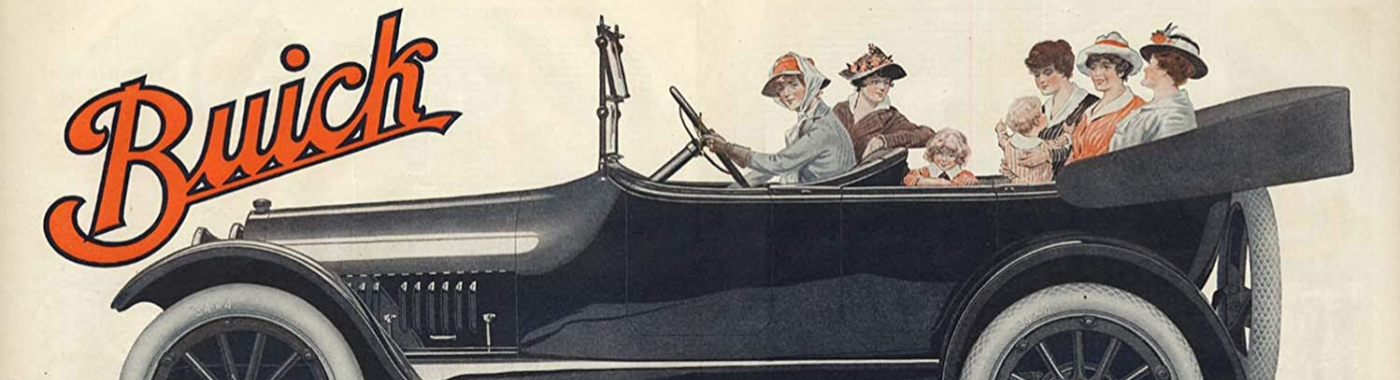
The automotive industry has always struggled to understand women. In the 1900s women were hungry for advancement and increasingly wanted the same opportunities as men; being able to drive was no exception. The popular combustion engine was considered too racy for girls who were offered slower, short range EVs instead. Often promoted as a ‘sitting room on wheels’, EVs were marketed as the perfect alternative for the modern woman. The strategy failed, and so did the electric car market. Roll on 100 years and we have to ask, will the automotive industry make the same mistake again?
The future is electric and it’s female
According to the World Health Organisation, women care more about clean air and climate change as well as being more inclined to take action to promote positive change in these areas. As guardians of our future, women should be the primary audience for EVs but they are not, as only 34% of electric car owners are female.
This is hardly surprising when we look at how EVs are being marketed, relying heavily on masculine cues of status and performance highlighting features such as torque and acceleration while paying little attention to the more female focused cues around cleanliness, cabin and boot space, and fuel efficiency. This criticism is as true of petrol and diesel cars as it is of EVs but, unlike EV marketing of the early 1900s, today’s EV manufacturers don’t seem to be doing anything at all to appeal to women.
An electric opportunity
For me, the future of automotive is clearly female. Manufacturers need to start paying attention to what women want, how they buy, what they are influenced by, and how, to truly accelerate progress in this market.
Five things marketers can consider today to ensure they don’t get left behind:
- Women are less likely to have a specific car in mind. This makes them a prime audience for persuasion, but they seek council from very different places to men. Where manufactures seed information is important, as women are less likely to read expert reviews and more likely to seek advice from family and friends and on their social channels.
- Your website is probably too masculine. This is not necessarily intentional. In part it’s a function of the web design and development community also being predominantly male. Aesthetic value is not inherent in objects but a product of empathy between the object and the receiver. To that end, a website designed and built by men will appeal more to men unless female cues of human stories and emotion are hard wired into the brief and executed by gender blended teams.
- Women hate dealerships. Dealer visits have dropped from seven to 1.5 visits per purchase over the past 10 years. Manufactures need to find new places in which to start conversations such as Ford and Rockar’s joint venture with Next retail.
- Mobile first. Women use mobile more often and across more categories when shopping. A socially connected mobile first strategy is essential to success.
- Don’t assume women don’t care about style and performance. As with any audience group there will be nuance. Don’t assume that all women are the same. Target appropriately and accordingly.

About
Erminia has worked in marketing for over 20 years. In that time, she has worked with some of the largest and most influential automotive brands on the planet. She has a keen interest in the marketing industry’s approach to women and as author of 21C Woman has written a great deal around the subject.