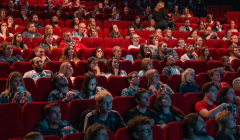


Tennent’s dreams of Scotland’s World Cup
The campaign celebrates Scotland’s participation in the men’s World Cup group stage for the first time in 28 years.
In a social world driven by distraction, nostalgia and local pride are giving heritage brands the staying power they need to connect, writes Katie Drew.
In the rush for ‘what’s new,’ marketers have historically missed out on what really works by relying too much on the future instead of what’s worked well in the past. But in 2025, nostalgia and regional pride have become two of the most powerful creative levers on social. Used together, they transform heritage from a history lesson into a cultural shortcut, creating belonging and staying power in an environment built for distraction and doomscrolling.
Gen Z, often dismissed as relentlessly forward-facing, is one of the biggest drivers of this nostalgia wave. But it isn’t about memories of their own childhoods. It’s about the mood. Shared reference points like VHS filters, football shirts, or early-2000s snacks offer comfort in uncertain times. McDonald’s 50th birthday film showed how it’s done - rather than dwelling on the past, it recreated the feeling of joy that’s been consistent across generations. That’s the lesson for brands. Don’t focus on how long you’ve been around or on discontinued products. Focus on the emotion people associate with you and the shared cultural understanding, and show how you can spark it over and over again today as much as in the past.
Regionality is also being remixed for the social era. Far from being diluted by the internet, local pride is thriving. Accounts like “Real Housewives of Clapton” have tapped into hyper-specific humour and community spirit, proving that audiences want to celebrate where they’re from and are craving for community and identity markers. Brands are following. Aldi’s cheeky “Aldeh” moment, a nod to its Northern customer base and the band Oasis, lit up feeds and created the kind of cultural relevance money can’t buy. It was proof that sometimes, the smallest regional touchpoint can build the biggest emotional pull.
Focus on the emotion people associate with you and the shared cultural understanding, and show how you can spark it over and over again today as much as in the past.
Katie Drew, Strategy Director at Born Social
Asda has leaned fully into this space, proudly reclaiming its Northern roots on social. Its throwback content has brought back icons from the 90s - Daisy the Cow, Lunchables, and even an Oasis-inspired anthem in “Don’t Look Back in Asda”. The campaign worked not because of the novelty of the references, but because it reignited real memories for audiences who grew up with the supermarket. In an endless scroll of global trends, staying proudly local made the brand distinctive again.
Adidas and Arsenal’s 2024 campaign showed what happens when nostalgia and regional identity work together at scale. By weaving in references like school kids being sent home for “hair like our winger” and shooting in recognisable spots like Gunners Fish Bar, it tapped straight into London culture. The creative resonated far beyond the football community. Fans celebrated the sense of authenticity in the comments, proving that when campaigns reflect lived experience, they build belonging as well as buzz.
This trend isn’t niche; it’s mainstream, just localised regionally. According to Sprout Social, brands using nostalgic themes see up to 70% higher engagement rates when they tap into shared memories. Posts linked to nostalgic or local themes consistently outperform generic trend-led content because they add real value for your audience. For heritage brands, the opportunity is obvious. Instead of competing in the race for novelty, they can use what they already own: decades of cultural association and regional ties that audiences actually want to engage with. Just look at Drake’s and New Balance’s latest Allerdale collaboration, shot in the Lake District. It played in the wholesome intersection of nostalgia and regionality, perfectly capturing the feeling of the Great British outdoors.
So what should brand leaders take away from this?
The lesson is simple. Stop racing for novelty and start owning what’s already yours. Heritage brands have the strongest cultural capital of all, and it’s time to spend it.
Katie Drew is a Strategy Director at Born Social, passionate about transforming heritage brands and helping them connect with new and existing audiences across social, and beyond. She has worked with a diverse portfolio, including Barclays, Asda, The Evening Standard, and Bottega Veneta and has featured in publications such as BITE, The Drum, Marketing Beat, LBB and The Grocery Gazette.
Looks like you need to create a Creativebrief account to perform this action.
Create account Sign inLooks like you need to create a Creativebrief account to perform this action.
Create account Sign in