
Trend
Beyond visibility: Building lasting fandom for women’s cricket
For women’s sport, the challenge isn’t just visibility, it’s making people care, writes Lisa Parfitt.
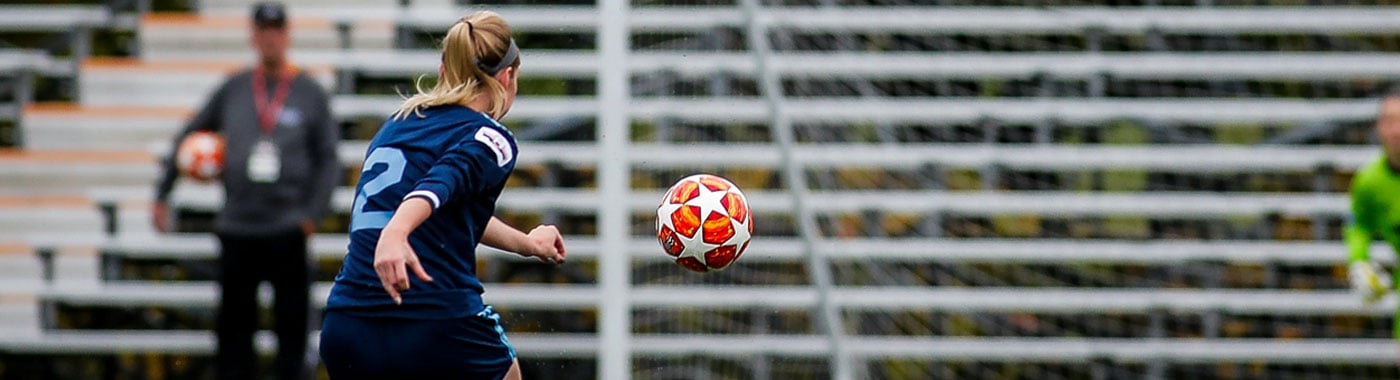
Women’s sport can better connect meaningfully with an ever-evolving audience.

There was a time when football didn’t need to behave particularly well. Talent, tribalism and scale carried the game forward, even when the edges were rougher than brands might have preferred. For years, that was the accepted trade-off: imperfect behaviour, but unmatched reach and cultural dominance.
At a time when brands are judged alongside the brands they invest in, behaviour has become part of the product itself. Values are no longer something that can be implied; they have to be visible and consistent. This is where women’s football finds itself in a quietly advantageous position, having developed under a different set of expectations.
The women’s game is emerging in a more demanding era shaped by constant visibility, social accountability and a sharper focus on representation. The Barclays Women’s Super League (WSL) reflects that evolution. As the top division has grown in professionalism and profile, it has done so with these expectations built in from the outset.
What’s emerged is a sport that is more connected to its audience and more naturally aligned with the values that modern brands want to express. And this difference is showing up commercially.
The biggest shift lies not just in how many people are watching, but in how they’re engaging.
Nicola Barzotelli, New Business Development Manager, Dinosaur
Deloitte estimates that women’s elite sport will generate over $1.2 billion globally, with football leading the way, while the 2023 Women’s World Cup drew an audience of more than a billion people. Attendances in the WSL continue to rise, with clubs such as Arsenal drawing crowds that would have seemed ambitious not long ago. Yet the biggest shift lies not just in how many people are watching, but in how they’re engaging.
Fans of women’s football tend to participate more actively in the experience, sharing, discussing and advocating in ways that create momentum around both the sport and the brands attached to it. Research suggests that a significant proportion of this audience is highly active on social media, often shaping a more positive and community-driven form of fandom. For brands, this kind of engagement is difficult to replicate elsewhere.
Part of the reason it works is that the alignment feels genuine. The qualities that brands frequently talk about - teamwork, resilience, inclusivity and community are already present within the women’s game. Partnerships, therefore, tend to feel more credible, which in turn makes them more effective. Barclays’ long-standing support of the WSL illustrates how a sponsor can help shape both the visibility and identity of a competition.
This same principle is playing out beyond traditional sponsorship. Adobe’s partnership with the Women’s FA Cup is a strong example of how brands are approaching the space differently, using the platform not just for visibility but to empower clubs and communities with creative tools, while generating significant engagement growth in the process. It reflects a broader shift towards partnerships that create something useful, rather than just capturing attention
Major tournaments continue to accelerate this momentum. The World Cup remains one of the few moments in sport that genuinely cuts across audiences and becomes a shared experience, but while much of the surrounding marketing still leans heavily on spectacle, women’s football tends to resonate grounded in connection and relatability.
As expectations from both fans and sponsors evolve, the wider game is beginning to respond. Men’s football is being pushed towards greater accountability and awareness, with behaviour becoming a more visible part of its commercial appeal. In many respects, the standards that women’s football has had to meet from the outset are becoming the benchmark.
In an article picked up by the World Economic Forum, Lara Abrash, Chair of Deloitte US, recently described women’s sport as being at an inflection point. Pointing to rising revenues, increased investment and growing demand. The significance of that moment lies not only in the numbers but in the nature of the opportunity itself.
Women’s football offers brands a way to connect with audiences on terms that feel relevant to the present, combining reach with authenticity and shared values. In a market where attention is fragmented and trust is increasingly hard to earn, that combination carries real weight. For those willing to move early and think differently, it’s where the commercial opportunity lies.
With over 30 years of experience across three continents America, Europe, and Australia, Nicola brings a uniquely global perspective. Her career spans PR, events, design, advertising, and brand strategy, having worked with leading agencies and iconic clients including Adidas, Motorola, and The Co-op. Nicola’s journey covers client services, ops, and new business which means that she brings her broad commercial toolkit to work. At Dinosaur, she champions agency culture and nurtures new client relationships, helping shape the future of the agency. She’s energised by pop culture and city life and driven by connection, creativity, and making things better. Outside the office, she likes stroking dogs, filling up her memory bank and forest bathing.
Looks like you need to create a Creativebrief account to perform this action.
Create account Sign inLooks like you need to create a Creativebrief account to perform this action.
Create account Sign in