Trend
‘Memento Generation’ research uncovers Gen Z shopping habits
The report, from Snapchat and Portas, explores the importance of shared experiences and memory-making.
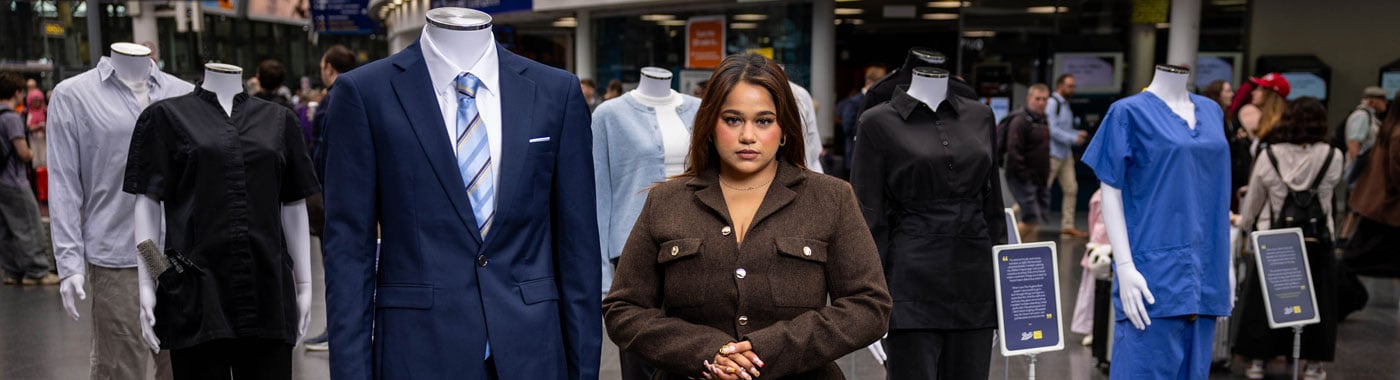
In partnership with The King’s Trust and Apprentice winner, Karishma Vijay, Boots will provide 15,000 free 'First Impression' washbags to help young people back into work.

Hygiene poverty is creating an opportunity gap for young people. In a challenging job market, four out of five 18–24–year–olds affected by hygiene poverty have delayed or missed career opportunities because they couldn’t access basic toiletries.
New research from Boots and The Hygiene Bank underlines the hidden costs of hygiene poverty, with young people struggling to appear ‘work ready’. A lack of access to basic hygiene products such as period products, toothbrushes and toothpaste, and deodorant can stop young people from seeking early career opportunities.
The research also points to a stigma associated with hygiene poverty that is having a tangible impact, with 74% of people in the UK believing that job seekers are judged first on appearance. While 80% say that personal hygiene is one of the most important factors that they consider when forming a first impression of someone.
To help tackle this issue, Boots and The Hygiene Bank have created 15,000 ‘First Impression’ kits that will be distributed to young people via local community partners of The Hygiene Bank and The King’s Trust throughout the year.
The kit is made up of essential items a young person might need to prepare for an interview, such as deodorant, shampoo, shower gel, and dental products.
The campaign is fronted by the winner of BBC’s The Apprentice, Karishma Vijay, who is partnering with Boots to amplify the issue of hygiene poverty and help more young people gain access to work.
Speaking on the issue, Karishma Vijay, winner of BBC The Apprentice and CEO of Kishkin, shared, “I grew up with a single mum, and even as a young girl I knew we were struggling to make ends meet. My mum always taught me that material things come and go, but she made sure we were clean and presentable because she knew opportunity doesn’t always come knocking and looking the part could make a difference.”
She added: “Hygiene poverty plays a massive role in why people can’t improve their situation. They can’t get into the rooms that could change their lives because they already feel like everyone else has a head start. That’s why I’m proud to partner with Boots and The Hygiene Bank to help make the invisible visible and tackle hygiene poverty.”
4.2 million people in the UK are currently affected by hygiene poverty. People with limited income often find hygiene essentials like shampoo, razors and laundry detergent are the first cut from a shopping list. As an early indicator of deeper financial hardship, many people live in hygiene poverty for months before they are eligible for a referral to food banks.
In tandem, unemployment rates amongst young people are rising. Research from The King’s Trust found that over half (55%) of young people out of work and education say the longer they are unemployed, the more difficult it is to find work.
“Many of the young people we support who are out of work face barriers that go beyond finding the right opportunity or job. At The King’s Trust, we empower them to build the confidence, skills and experience to move forward, but without access to basic hygiene products, some will still be held back from taking that next step,” added Jonathan Townsend, UK Chief Executive of The King’s Trust.
In addition to the washbags, this summer Boots is focusing on helping to deliver essential products to those who need them. Purchases of participating brands including Colgate, Tampax, Always, Oral-B and Sanex, will be matched with a product donation, with over 500,000 products pledged to be donated to The Hygiene Bank.
Over the last six years, Boots has donated almost two million hygiene products to The Hygiene Bank.
![BootsTheHygieneBank_Edit_09[63].JPG](/application/files/cache/c857bb18bac9604684727dedaeebed16.JPG)
![BootsTheHygieneBank_Edit_01[96].JPG](/application/files/cache/eda408f6be1839bb226d39817c2cf050.JPG)
Looks like you need to create a Creativebrief account to perform this action.
Create account Sign inLooks like you need to create a Creativebrief account to perform this action.
Create account Sign in