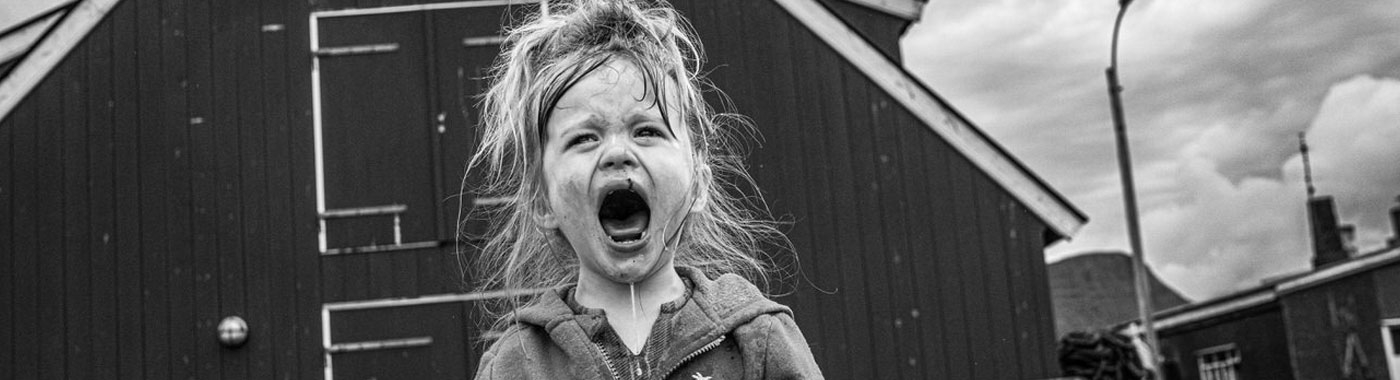
The power of imagery: there’s more in the messy
Instead of chasing perfection, Monica Kulkarni advocates for connecting through the messy and embracing the real.

Monica Kulkarni
Copywriter Media BountyWe all know the power of images. The power to convey horror that leads to action. The power to showcase a form that changes how we see the world. And the power to connect, by mirroring you.

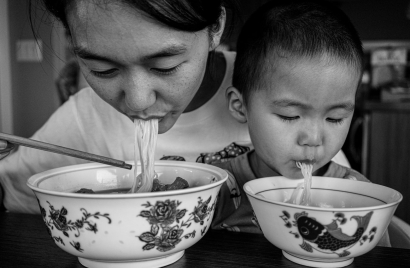
When I saw photographer Kirsten Lewis' arresting and honest images, I felt like I was seeing my childhood self, right there on the screen. These photos show the very messy reality of raising a family. No doubt they resonate with many parents. But what surprised me was how viscerally they brought back my own memories of being a child. Suddenly, I could smell fresh chapattis on a hot day after playing out. And I could feel the panic of flying headfirst over my handlebars into our garage.
What makes these images so evocative?
Not one of Kirsten Lewis' images feature me. Shocking, I know. So why do they feel like my memories?
Some experiences are universal. We're all born. We all die. And we've all been kids.
You didn't experience these exact scenes. But I bet you experienced the emotions behind them. And why are these emotions so clear to see? Well, Lewis is clearly talented for one. But also, there's a distinct lack of perfection. The homes aren't curated. Outfits aren't coordinated. There's snot. These lives are messy – just like ours.
Which got me thinking. If the messy can unearth such deep emotions, what are we missing out on when we project perfection?
The danger of visual perfection
Seeing carefully managed bodies, leading perfectly curated lives is making us miserable. And the pressure of how we should be living is intensifying. Constantly striving, never good enough, we often feel like we’re failing.
This obsession with visual perfection isn’t new – after all, Oscar Wilde was writing about it in The Picture of Dorian Gray. There, he warned us about the cost of pursuing image over integrity and losing our sense of self.
Even in art, perfection can “actually reduce visual impact by failing to direct the viewer’s attention to important elements”. This is a big problem when you’re communicating. We know the power of an image. But we lose that power when we lose truth.
That’s why messiness is so powerful. It acts as a mirror, showing us a truth we all recognise. We see our real selves, and we feel less alone.
Monica Kulkarni, Copywriter at Media Bounty
The magic of messy
That’s why messiness is so powerful. It acts as a mirror, showing us a truth we all recognise. We see our real selves, and we feel less alone. It’s one of the reasons why Kirsten Lewis created the project: “In my opinion, parenting is the hardest and most underappreciated job one can take on yet it’s seemingly taboo to acknowledge this outwardly.”
This imperfection also lets us connect more deeply with the viewer. Imagine what that could mean for brands. Instead of contributing to a sense of shame and emptiness, could we in fact reassure and help people take joy in what they have? Where they choose a brand not to chase something unattainable, but to help them experience the real.
Right now, brands taking this approach stand out. But it’s entirely possible to make this the norm. And the lovely thing is, it will always connect. Because humans like seeing humans, being human. Warts and all.

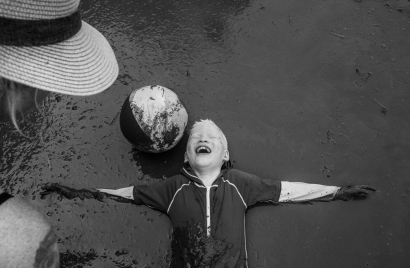
Unsupervised by Kirsten Lewis is published by Daylight Books
Find out more about Kirsten Lewis at: https://www.instagram.com/p/DKKOOZ1I9Rv/
Photographs copyright 2011-2024 by Kirsten Lewis.

About
Monica Kulkarni is a Copywriter at Media Bounty.