
Selfishness: Transforming vice into virtue
The Challenge
Since 2020, everyday life in the UK has become more uncertain. The pandemic, Brexit, increasing energy bills and the cost-of-living crisis all placed pressure on household budgets. By 2024, several years of economic pressure made shoppers more careful about what they spent. Grocery shopping turned into a balancing act. Small luxuries were often the first to go. Premium toilet paper, once a simple indulgence, became an easy place to save money. Own-label products grew quickly and now hold around 35% of the market. At the same time, the category itself made differentiation difficult. Almost every toilet paper brand claims softness. Over time, these claims started to feel identical. When every product promises the same benefit, the easiest decision becomes the cheapest one.
Cushelle therefore faced pressure from both sides. From below, cheaper private-label alternatives were attracting value-focused shoppers. From above, Andrex continued to dominate the premium space, supported by decades of trust and the famous puppy that more than 70% of UK households recognise. Cushelle was caught in the middle. But the biggest challenge was deeper than competition. “Softness” once Cushelle defining strength, had stopped meaning anything distinctive to consumers. If Cushelle wanted to win again, it needed to make softness matter.
Objectives
Cushelle’s goal was not simply to sell more toilet paper. The brand needed to rebuild the perceived value of softness.
The objectives were clear:
- Stop losing shoppers to cheaper private-label brands
- Make softness feel valuable again
- Stand apart from Andrex
- Turn high awareness into more trial and regular usage
Success would mean restoring relevance to softness and strengthening Cushelle’s relationship with consumers.
Strategic approach
The strategy started with a simple human truth. Society often teaches us that selfishness is a bad thing. But in reality, small moments of self-care are important for wellbeing.
Modern life is busy and demanding. Moments that belong entirely to us are rare. The bathroom is one of the few places where people can pause and have time to themselves. Cushelle realised that this private moment gave softness a deeper meaning. From this insight came a clear idea:
Selfishness is a virtue
Choosing softness is not wasteful or unnecessary. It is a small way of taking care of yourself. This allowed Cushelle to reposition softness as an emotional reward rather than a simple product feature.
Instead of competing on price, the brand offered something more important: a small moment of comfort that belongs entirely to you.
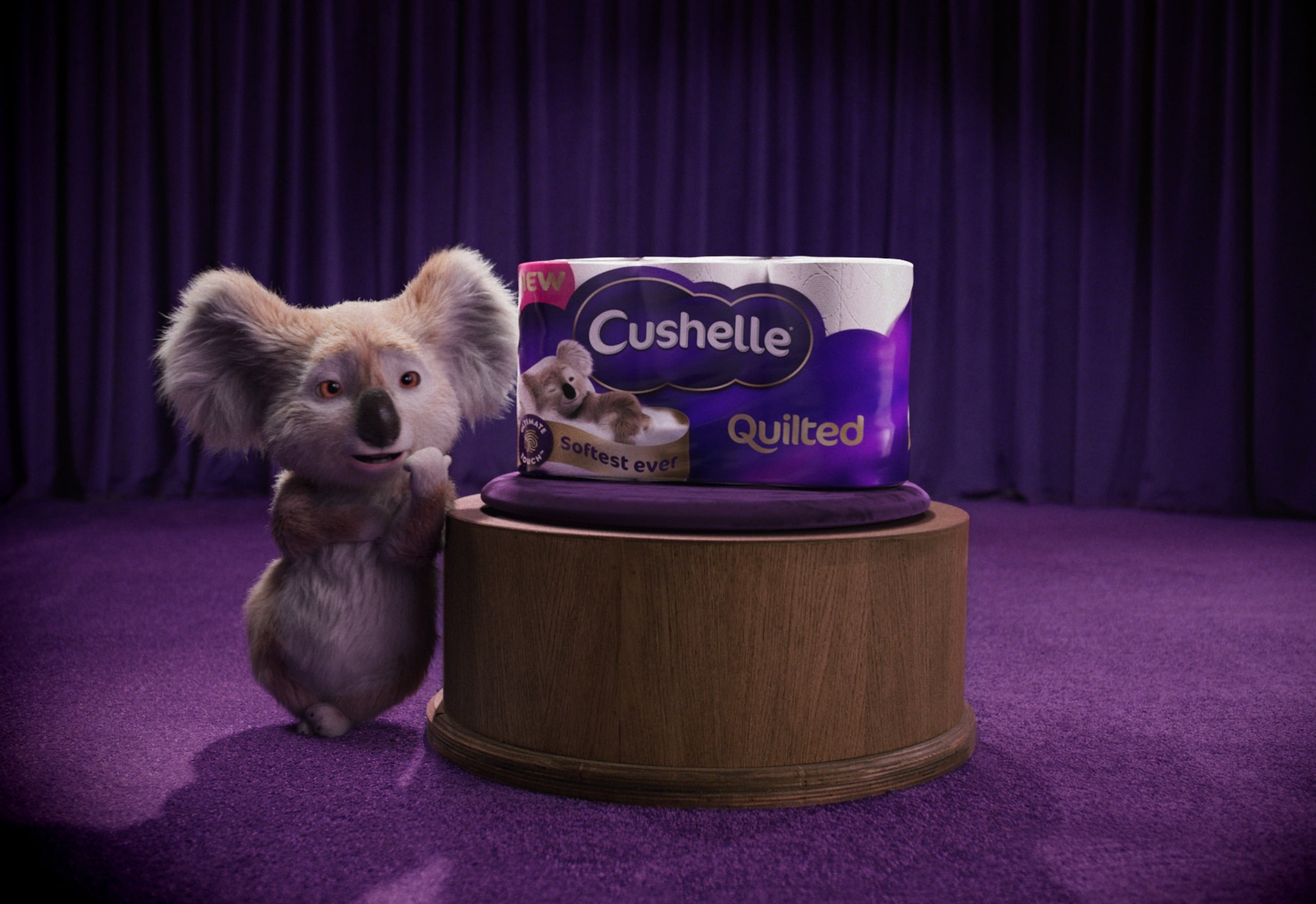
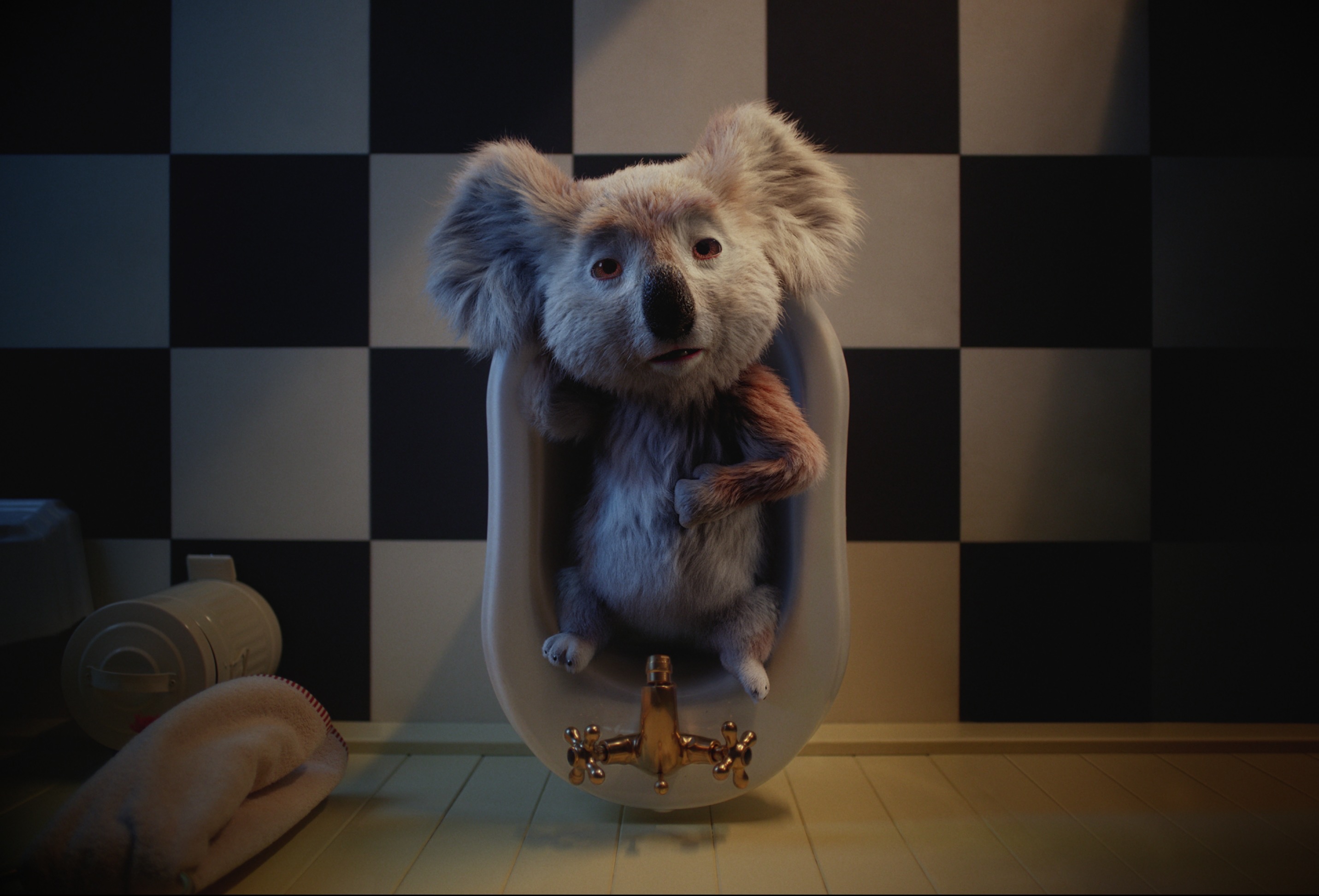
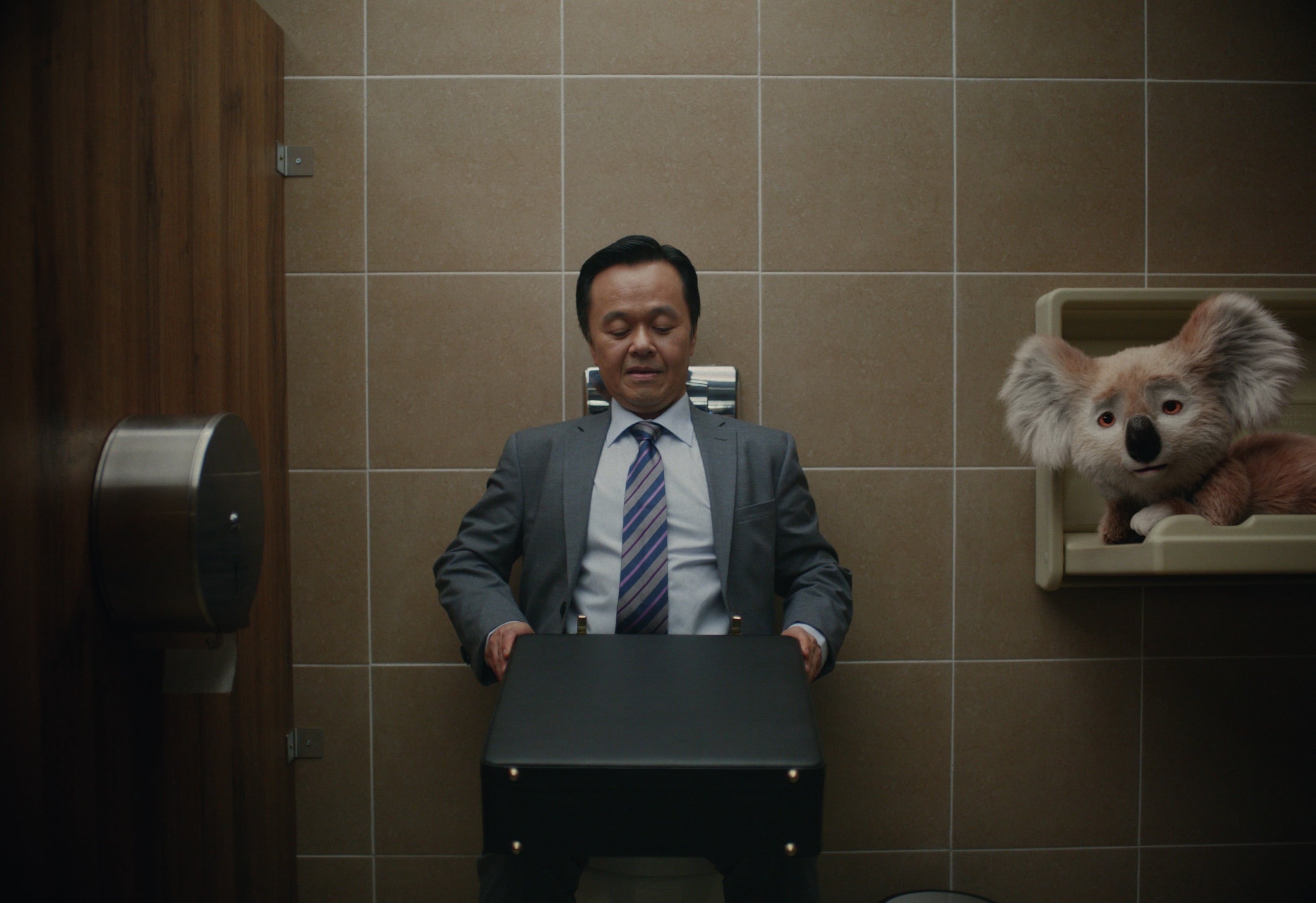
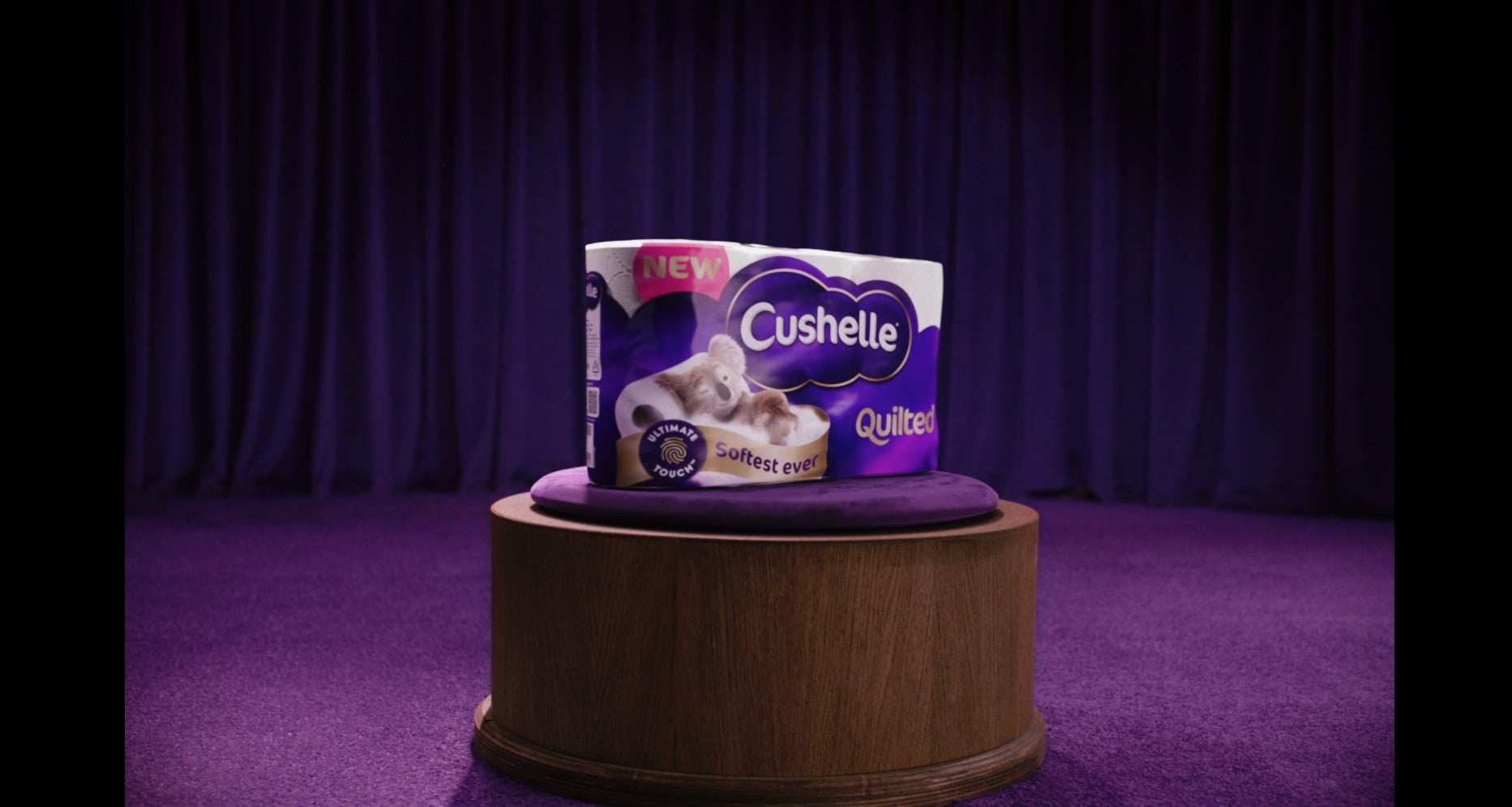
Kenny the Koala became the perfect expression of this idea. Warm, playful and comforting, Kenny helped the brand express joy and personality while reinforcing the value of softness.
This strategy helped Cushelle carve out a clear space in the category.
Against private label, the brand avoided price comparisons and focused on personal value. Against Andrex, Cushelle stood apart through humour, warmth and a fresh cultural perspective. Choosing Cushelle became a small act of kindness to yourself.
Results
Cushelle launched the campaign in July 2024, with the aim of restoring meaning to softness in a category where differentiation had become difficult. The campaign is still running, and early results already show improvements across the brand funnel and in market performance.
Brand awareness remained extremely high at 94% in 2025, increasing by +1 percentage point versus 2024, ensuring Cushelle maintained widespread cultural visibility.
More importantly, the campaign improved movement through the brand funnel.
Trial and usage rose to 72% in 2025, an increase of +7 percentage points compared with 2024. Among these users, regular usage increased to 35% (+2PP) and “use most often” rose to 15% (+3PP).
Cushelle also converted awareness into behaviour more effectively than the category.
In 2025, 77% of consumers aware of Cushelle went on to try the brand, compared with a category average of 62%.From there, 49% progressed to regular usage, slightly ahead of the 48% category average.
These results show that when people encounter the brand, Cushelle is more effective at turning interest into usage. The campaign also strengthened the brand’s longer-term relationship with consumers.
Compared with 2021:
- Trial and usage increased from 67% to 72% (+5PP)
- Regular usage increased from 25% to 35% (+10PP)
- “Use most often” increased from 9% to 15% (+6PP)
Source: Kantar BRT, Essity UK, Sep 2025
According to NielsenIQ data, Cushelle’s market share increased from 7.8% in the year before launch (July 2023 – June 2024) to an average of 8.0% between July 2024 and February 2026, representing a +0.2 percentage-point increase during the campaign period to date.
In many categories this may seem modest. But in a highly commoditized category like toilet paper, where products are easily substituted and price pressure is constant, even small shifts represent meaningful progress.
By restoring emotional meaning to softness, Cushelle shows that even in the short time since its July 2024 launch and while still running, consumers are willing to choose small moments of comfort. This shows that even in the most ordinary categories, people are still willing to choose a product that feels a little selfishly soft.
Share
Selfishness: Transforming vice into virtue
Cushelle repositioned premium toilet paper during the cost-of-living crisis by transforming softness from a functional benefit into a symbol of everyday self-care. Through the “Selfishly Soft” platform and Kenny the Koala, the brand challenged negative perceptions of selfishness,
Sector
Users who viewed this work also looked at: