
Hot Pick
Havas UK
Department for Education
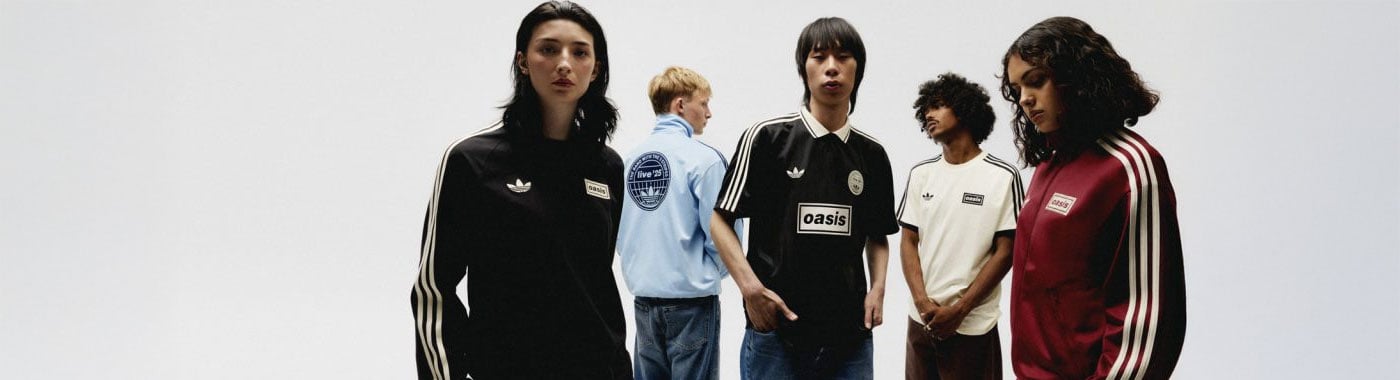
How does the Oasis brand rush underline the growing demand for mass market cultural moments to meaningfully connect with consumers?

Oasis fever has well and truly hit the UK.
If you get the privilege of being in Manchester during the Oasis Heaton Park run, you will be greeted by a sea of bucket hats and endless merch. The whole city is alive with music. Everywhere you look there are brand tie-ups, themed products (Champagne Supernova or Oasis cocktail anyone?) and murals of the Gallagher brothers.
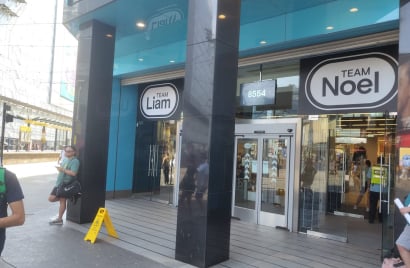
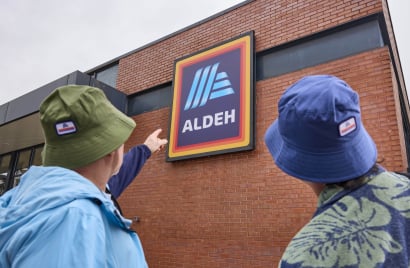
Primark on Market Street has installed a ‘Vote Noel’ and ‘Vote Liam’ door where people can vote for their favourite band member with their feet as they enter the store. Elsewhere, Bury New Road Aldi has rebranded to 'Aldeh', and even the smallest of shops are cashing in on the hype with signs with messages such as: ‘Sale! Don’t Look Back in Anger!’
It’s not just in the band’s hometown of Manchester getting in on the hype, official Oasis stores have opened in Cardiff, London, Edinburgh, Birmingham and Dublin. With brands like Adidas, Levi, Burberry and Berghaus all launching Oasis-themed campaigns, the reunion has provided a cultural moment that has connected audiences across the UK at a time when people are craving escapism, fun and some much-needed nostalgia.
Connecting with audiences is no easy feat amid the endless bad news cycle. Yet the power of two brothers reuniting to capture the imagination of audiences underlines how people are seeking genuine cultural moments to share in and spark joy.
With the tour in full swing and dates still to go across the UK and US, we asked industry experts if the Oasis brand rush reflect a growing demand for cultural moments to connect with consumers?

Unquestionably. In an age where monoculture is dead, splintered by algorithms and siloed feeds, cultural moments like Oasis’ Manchester return are rare, precious flashpoints of shared meaning. They offer intersectionality: emotional common ground where brand creativity can not only show up, but resonate.
This past weekend proved it. Aldi’s Manc-accented checkouts, Liam-voiced tram stops, Berghaus' Trango revival, these weren’t surface-level stunts. They were crafted acts of brand participation in something bigger. Local in flavour, national in scale, and deeply rooted in cultural truth. It's not just big brands which can capitalise either, mydentist temporarily rebranded its Stevenson Square practice to {r}dentist. With craft, humour and local flair, smaller brands can punch far above their weight. Because when culture moves en masse, creativity has the chance to interrupt the scroll and forge connection across age, background, even postcode. It’s not about riding trends. It’s about belonging to moments that matter, and having the bravery to say something meaningful within them.
Cultural alignment like this gives brands the rarest gift in modern marketing: relevance that doesn’t feel forced. In a world where consumers expect brands to earn their place, these moments are golden openings to be heard, understood, and maybe even loved.

Here’s the thing: the Oasis frenzy isn’t just a nod to nostalgia, it’s a strategic flex in cultural programming. In a landscape where consumers crave relevance over reach, brands are shifting away from traditional influencer playbooks and towards moments, objects, and contexts that feel culturally alive.
What we’re seeing is the rise of brands treating culture not as an accessory, but as an operating system. Oasis didn’t just trend because of the name. They tapped into a shared memory, a tribal signal, and crucially, the right mood. Contrary to mainstream belief, Oasis didn’t create that mood; it was shaped by subcultural chatter, timing, and the social dynamics of what’s cool now. They just so happen to be perpetually cool IMHO, call it the commercialisation of cool powered by a blend of nostalgia, fandom and cultural resonance. A triple threat.
Cultural programming is about more than visibility. It’s about designing for discovery, embedding your brand into the right contexts, where insiders share before celebrities amplify. It’s merch, moments, and micro-trends that ladder up to meaning. The real takeaway: The opportunity for brands is to move from borrowing fame to building cultural capital, tapping into the social codes, objects, and behaviours that signify belonging. It’s no longer enough to just 'roll with it' when it comes to culture; you need to shape it.

The Oasis reunion is another marker in a growing trend of nostalgia driving huge emotional responses from consumers. We don’t need to look far for examples of brands getting in on the act – Nike, adidas and Oakley re-releasing 00’s silhouettes, nostalgia acts drawing huge crowds at Glastonbury, and even Coca-Cola’ revival of 2011’s ‘Share a Coke’ campaign. The Oasis reunion, therefore, is a rich space for brands looking to capitalise on a huge moment in British music.
But while the instinct is right, the impact depends entirely on execution. When done well, these activations can create genuine excitement that goes beyond engagement and generates real world impact. Our cross-agency work with Lidl proves this: the Cannes-winning ‘Lidl Jacket’ billboard from OMD and Droga opportunistically capitalised on an audience observation that Coolr picked up on social, striking a smart balance between relevance and irreverence. It was followed up by the Romans' ‘Lidl by Lidl’, mimicking Liam’s Stone Island collab in a way that connected with our audience, leading to instant sell out of our limited edition jackets.
For us, it’s all about understanding your brand’s role in culture. Lidl has a long reputation as a challenger, and our fans expect us to ‘punch up’ and take risks. We believe success happens when brands don’t just borrow from culture, but add to it with wit, timing, and a strong sense of who they are. When you nail all these, the results go beyond buzz. They build affinity, loyalty, and conversation that lasts longer than the specific moment.

Cultural moments like the Oasis reunion show just how much people are craving entertainment. The mania around the Oasis revival proves that - whether it's driven by nostalgia or a desire for an antidote to Cowboy Carter fever - a lack of new material doesn’t hold back demand. If ticket holders want to recall their youth or simply enjoy the latest chapter in an epic rivalry, brands should be asking: what’s the next opportunity to jump on something this emotional? Who – or what – can offer something new that reaches audiences at this scale? This is different from pop or sport fandom; there’s a vacuum here just waiting to be filled.
The reunion has been the perfect moment for brands to jump on, yet there was an opportunity to make even more noise here. For example, after the pricing controversy, branded marketplaces such as Skyscanner could have jumped at the chance to explain dynamic pricing in their favour.
There’s also a wider lesson for brands in consistency and authenticity. The Gallaghers are nothing if not true to themselves – true, too, to the demands of their lifestyles – but fame hasn’t changed them from the opinionated, confident and talented pair Britain originally fell for. In a world where people increasingly toe the line or betray their principles, Oasis has stayed true to their values, and we absolutely love it.

Buying a piece of Oasis branded merch - or even the more totemic, merch-adjacent items from parkas, to bucket hats and tambourines (yes, Klarna reports tambourine sales are up 155% since the reunion was announced) - brings individuals together in the fandom ritual.
Much like the Eras Tour, the Oasis reunion sees fans embracing an experience rooted deeply in a sense of both individual and collective identity. Whether you’re gigging with friends or going it solo, connection, community and celebration are at the heart of real-life moments like attending a concert. It’s an experience no investment in traditional media could ever replicate.
With Gen Z reportedly the loneliest generation, is it any wonder brands want in on the action? It’s an opportunity to build positive emotional affinity and equity on the coattails of an unprecedented cultural moment.

WonderWaste
Oasis are back and everyone wants a piece. On the surface it makes sense – cultural relevance is currency, and Oasis are a goldmine: nostalgic, iconic, still cool. But dig a bit deeper, and you realise most wasted their shot, jumping in because Oasis was trending, not because they had any right to be there.
A few got it right -
The rest? Generic nostalgia posts, half-baked Oasis puns, or worse—brand tie-ins that made zero sense. When everyone jumps on the same cultural moment, the bar for standing out gets brutally high. And most don’t clear it.
So, here’s the rule for brands looking to piggyback a cultural moment:
Cultural moments move fast and showing up isn't enough. Sometimes, the smartest brand move is not to move at all.

The Oasis reunion has offered important lessons about the growing pressure on brands to anchor themselves to cultural moments with real weight. Consumer attention spans can be short and authenticity is everything, meaning moments like this offer crucial opportunities for brands to become relevant almost overnight.
People want to feel something, not just be sold to and live music is an excellent vehicle to channel and achieve that feeling. When a band like Oasis teases a return with a live tour, it triggers a collective memory through a shared identity and a sense of cultural belonging - it’s truly powerful stuff. Smart brands know that if they can tap into that emotion sincerely, they can earn genuine attention, which is something much harder to buy than impressions.
Credibility is at the heart of this. People switch off instantly if a brand’s connection to a moment feels surface-level or opportunistic. The best partnerships are the ones that feel seamless, like they were meant to be there all along. Look at brands like Adidas and Levis who captured the moment around the tour through unveiling new themed collections. Adidas has been so successful in its approach that it has sparked a whole movement around how the brand is showing up - driven by tongue-in-cheek memes that massively resonate with its audience.
Oasis is a great example of the power that culture has to cut through, but it’s also a reminder that moments like this only work when you truly understand your audience, and don’t just rely on algorithms.

Oasis mania has sparked brands into action. We’re seeing a rush of creativity and innovation from brands who are back to what they do best, contributing to culture rather than simply extracting from it.
Right now, the best of the best is fuelling the moment with original thinking that brings fandoms and communities together. Successful brands move quickly to participate in these big cultural moments, turning headlines and viral trends into engaging campaigns in ways that bring the personality of their brand to light. Look at Lidl's rapid meme-to-product adaption with its limited-edition parka, or Aldi’s name change that put a smile on anyone’s face. It’s exciting to watch.
These moments are a huge opportunity to engage more deeply with elusive audiences, so of course brands want more of them. The big winners for me, however, are those that don’t rely solely on joining conversations but create innovative campaigns that genuinely shape and influence culture.
Looks like you need to create a Creativebrief account to perform this action.
Create account Sign inLooks like you need to create a Creativebrief account to perform this action.
Create account Sign in