
Trend
The Hundred takes reality TV twist in new campaign
The England and Wales Cricket Board is promoting its sixth season as ‘the most dramatic show on TV’.
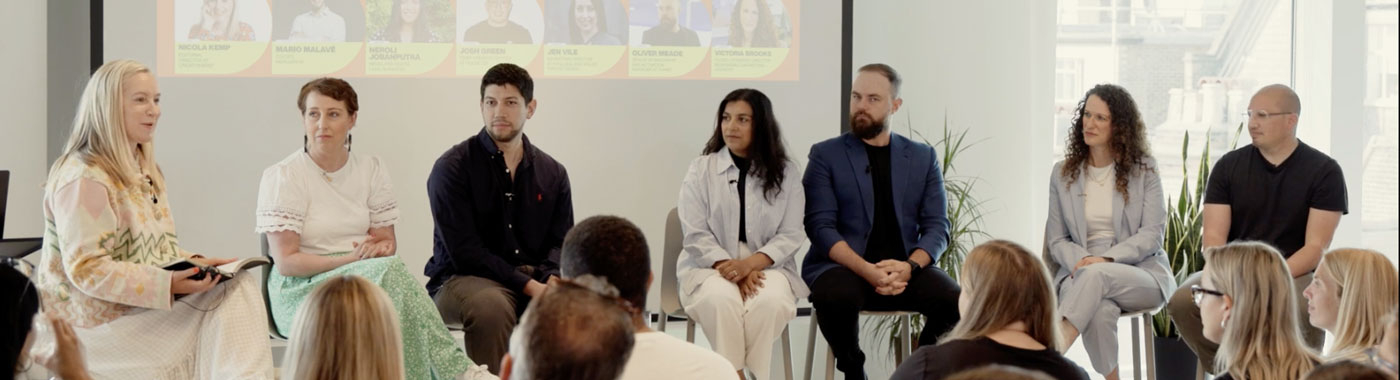
At House 337’s The Miseducation of Women’s sport event industry leaders outlined the breadth of opportunity in women’s sport and how marketers can get involved.

Women’s sport is growing at a powerful pace. The UK market alone is forecast to hit £1 billion by 2030. Yet despite its cultural firepower and sky-high projections, brand investment remains disproportionately low. The industry has more to do both creatively and commercially to maximise the power of women's sport.
At House 337’s The Miseducation of Women’s sport event, Nicky Kemp, Editorial Director at Creativebrief sat down with Neroli Jobanputra, Media and Digital Lead at Guinness, Oliver Meade, Senior Sponsorship Manager at Three, Jen Vile, Marketing Director at The England & Wales Cricket Board (ECB), Mario Malave, Co-CEO at Mercury/13, Victoria Brooks, Global Strategy Director at Responsible Marketing Advisory and Josh Green, Chief Creative Officer at House 337 to help marketers bust the myths surrounding women’s sport.
Kicking off the conversation, Jen Vile, Marketing Director at The England & Wales Cricket Board (ECB), highlighted the importance of building the women’s game around excellence, not just equality.
When women's sport is seen as a cause and not a competitive product both potential growth and sports fans are left on the sidelines. “Obviously, equality is important, but it needs to sit behind the scenes and inform the way we go about our business rather than being the creative hook,” says Vile, adding: “It’s not equality that people want to go and watch on the field, it's amazing sport.”
Her ambition for women’s cricket is to both attract new fans and grow a fandom of supporters that keep coming back year after year.
It’s not equality that people want to go and watch on the field, it's amazing sport.
Jen Vile, Marketing Director at The England & Wales Cricket Board (ECB)
Pointing to the iconic words of tennis superstar Billie Jean King, ‘you have to see it to be it’, Victoria Brooks, Global Strategy Director at Responsible Marketing Advisory, maintained that visibility is essential to growth. Pointing to Diageo as a brand that champions inclusive media, Neroli Jobanputra, Media and Digital Lead at Guinness, shared that Guinness’ partnership with women’s rugby is all about drawing in more viewers. A paid media campaign included dedicated creative that pointed to match schedules and timings to help draw in viewers in a practical way. Rather than simply pointing out a problem, Diageo’s approach helps to both drive brand awareness and grow audiences for women’s sport at the same time.
Sponsorship opportunities within the women’s game are huge, but in order for brands to maximise the opportunity they must understand that it's about more than reach.
There’s far too much good news in women’s sport to focus on a negative story.
Oliver Meade, Senior Sponsorship Manager at Three
Three partnered with Chelsea FC five years ago, first sponsoring both the women’s and men’s teams before moving over to working with just the women’s team in its fifth year. Oliver Meade, Senior Sponsorship Manager at Three, shared that the team were so passionate about the partnership that it was signed off in the room. Yet, he is open that it takes time to get a partnership right.
“The honest truth is it took us time to figure out the right way of partnering,” says Meade, “We had two guiding principles that we stuck to. One, we want to do something positive. There’s far too much good news in women’s sport to focus on a negative story. And on the other side of that, we had zero interest in highlighting a problem that we as a brand couldn’t help solve”
Sponsorship isn’t just about reach; it drives brand love, which increases consideration and builds a more loyal audience.
From an investor perspective, Mario Malave, Co-CEO at Mercury/13, shared that he looks at the women’s game as a start up. “I don’t think women’s football will win today in its infancy selling reach, it will get to that point,” says Malave. He continues: “You have to have that creative storytelling piece that will generate that brand love.”
The panel discussed the fact that in women’s sport marketing creative storytelling is the differentiator. “We don’t have the luxury of showing up, saying this is who we are, do you want to put your logo here? We have to come with a raw deep stack of creative activations,” adds Malave.
Women’s athletes face a double bind, with no pay equity but pressure to both perform on the pitch and close the gap off it.
Josh Green, Chief Creative Officer at House 337 highlighted the importance of alleviating women from this blind. “The pressure we cast on women is different than the pressure we cast on men,” says Green. He continues: “The fact that we ask women to carry the hopes, dreams and aspirations of young girls, an entire gender that we don't ask of men. There’s actually some quite potentially insidious implications of that because it puts the onus on women and shifts the responsibility away from institutions.”
“Money is powerful. The progressive media programme at Diageo is about using that power to shift the media landscape,” says Brooks. “How do we proactively use that money to increase visibility?”
As a society, we’re still quite uncomfortable with portraying women in all of their multidimensional ways.
Josh Green, Chief Creative Officer at House 337
Brooks encourages brands and agencies to do things differently and think about how best to reach audiences. She pointed to the example of Diageo’s partnership with women’s cricket in India, where streaming was the best solution to increase viewership and create change, rather than traditional broadcast media.
Malave urged the audience to think: “Rather than playing the same game, how can we use our money smartly?” He advocates for an audience first approach and believes that while women’s sport is in its infancy, we have a unique opportunity to craft the experience to cater to the audience. The way we communicate and build a brand needs to be for an audience that might not be the same as men’s sport fans. “Forget all our biases about what a football club should look like,” says Malave.
The Hundred is a great example of crafting new experiences and experimenting with new formats. For Vile and her team, every decision was made with the audience in mind. Placing men and women beside each other playing on the same day was a key differentiator and set the tone of an event that was going to do something differently.
“As a society, we’re still quite uncomfortable with portraying women in all of their multidimensional ways. There’s a tendency to flatten their portrayal into one key element. That's something we need to move away from.” added Green.
Rather than playing the same game, how can we use our money smartly?
Mario Malave, Co-CEO at Mercury/13
Green challenged the audience to be an insider but think like an outsider to move away from conventions and comparison. He shared that innovation comes when you bring an outside perspective in. “It's on all of us to challenge ourselves,” he says.
Embracing a challenger brand mindset is essential, where success is found in the new; we must look beyond what was done before to find new ways to be ambitious. Guinness’ women’s rugby boot is an example of finding new ways to engage with the game and also going back to basics to ensure that women are equipped for success.
Ripping up the rulebook and leaning into the constraints to maximise creativity, brands have an opportunity to be a part of history in shaping women’s sport.
Looks like you need to create a Creativebrief account to perform this action.
Create account Sign inLooks like you need to create a Creativebrief account to perform this action.
Create account Sign in