The World Cup is in full swing and with it a wall of campaigns built to travel across the largest audience in the tournament’s history. The playbook: borderless, glossy, common denominator campaigns designed to mean roughly the same thing in hundreds of countries at once. It's the logic that runs through most modern global brand-building, in sport as much as in fashion or tech. Smooth out the edges, premiumise, sign the global talent, make the work land cleanly everywhere.
When designing for global mass appeal, the instinct is to strip out specificity - seeing focus as a friction that limits how far you can reach. The trouble with this approach is it also tends to produce work that feels interchangeable with every other brand doing exactly the same thing. And when these ads appear wall to wall around a World Cup, that sameness gets quickly exposed.
Which is why it's been interesting to watch the mood around Arsenal since their first league win in 22 years last month. The celebrations around the world were a reminder that Arsenal are a genuine global super brand - with a brand value of well over £1billion and merchandise sales in the 24 hours after their title win reaching £8 million.
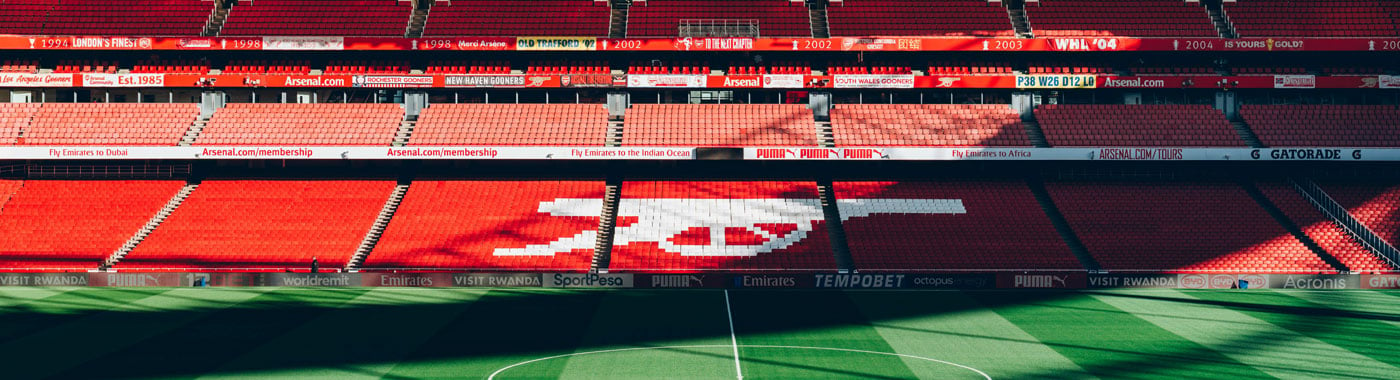
But the narrative and surrounding the brand has gone a different route to other modern megabrands in sport. Rather than adopt a culturally androgynous identity that can travel smoothly from Dubai to Denver, they've leaned deeply into their North London roots and created a very clear sense of place around the brand.
This sense of local identity was brought to life when 1.5 million people came together in North London for the biggest football parade in English history. For context, this is about 15X the number who paraded in Manchester when City won a historic quadruple. Standing on the streets that day, I realised people weren't there simply for the glory. They were there because the club had become part of how they thought about where they're from.
This strategic focus on Arsenal’s local roots has been a deliberate and long-term strategy. Its most iconic highlight was the creation of modern club anthem, ‘North London Forever’. You can now hear fans around the world singing about Islington landmarks and declaring ‘these streets are our own’. Belonging to a club, expressed through a connection to the streets around it, even if you've never walked them.
It’s there in how the club has woven itself into the cultural life of Black communities in North London. In 2022, they created a Jamaica-themed jersey celebrating “those who call north London and Jamaica home” which became an instant hit at Notting Hill Carnival. It’s there in the fashion partnerships with up and coming London designers like A-COLD-WALL, NTS, Labrum and Maharishi. These collaborations might start on the streets of London, but they’re bought and seen around the world. Arsenal’s credibility and cool have come from very specifically connecting to the communities around the club.
A couple of Iris campaigns have fuelled this journey over the past 5 years. First was ‘This is Home’, a campaign which turned the team’s globally diverse stars and gave them all North London accents. Meanwhile, iconic white kit, anti-knife-crime platform ‘No More Red’ heads into its fifth season. The campaign that started as a simple ‘fourth kit’ brief has become a long-term commitment to North London, tackling youth violence and knife crime through safe spaces, mentorship and community programmes.