Interviews
‘Asking for help is not a sign of weakness’
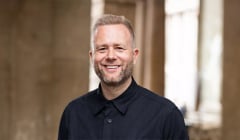
Greg Jones, European CEO at Smarts, shares how to build enduring cultural connections and successful creative careers
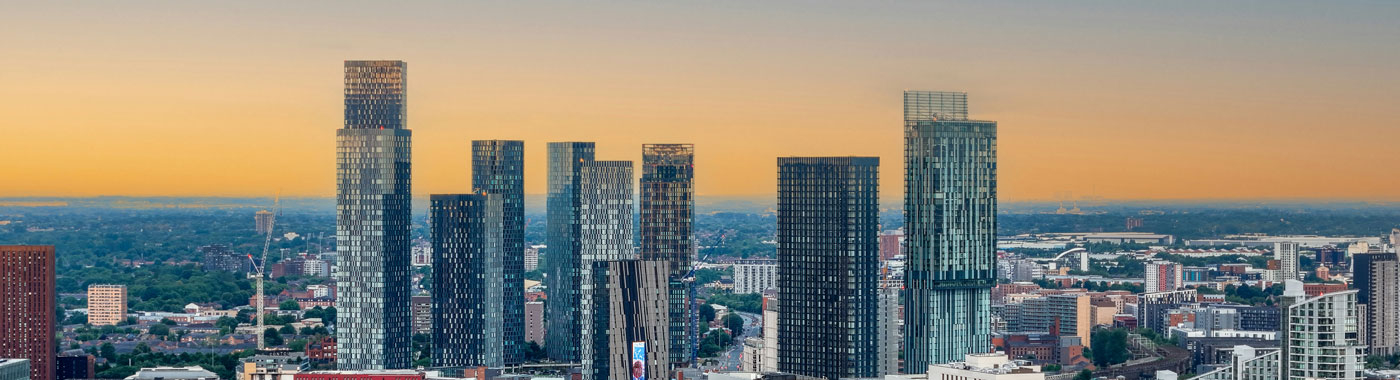
Designing for Manchester means cultural listening and respecting communities.

The recent BRIT Awards ceremony in Manchester and the upcoming NBA games in 2026 signal something important: major cultural institutions are recognising what's been happening in the city for years. Manchester has long been a cultural epicenter, from the Haçienda in the '80s and '90s to homegrown brands like Clints, Represent and Drama Call, building global followings today. The ongoing narrative of ‘untapped potential’ doesn't capture it. What makes Manchester a compelling testing ground is that the groundwork already exists, shaped by the people who live and create there.
The rise in commercial developments and high-rise buildings, alongside the closure of more than 30 hospitality and cultural spaces in Greater Manchester in recent months alone, raises questions about who this growth is really benefiting. Commercial opportunities are seemingly increasing, but there can be pressure to flatten what made the city compelling in the first place.
The opportunity in Manchester is about contributing to what’s already being built, not replacing it.
Gursharan Panesar, Senior Strategist at Seen Studios
Through Seen City, an insight and content series co-founded with my colleagues Billie Skuse-Denley and Fhuad Braimoh at Seen Studios, we spent time with local creators to understand Manchester and their creative talent. What we found was consistent: they weren't waiting for permission. Manchester’s creative identity is built from within. Creators here identify gaps and build platforms that show people what they’re capable of, rather than what they're excluded from. This DIY approach isn't romanticised independence, it’s a response to limited institutional and governmental support and a city that's had to build its own pathways.
What became clear is that effective engagement starts with recognising what already exists and using design to demonstrate a genuine understanding of the city and its audience. Our recent work on the Dr. Martens x BEAMS collaboration with END at Bada Bing focused on design that speaks to Manchester, not one that performs a version of it. Our Creative Partnerships Manager Luisa Pisaturo worked with CROP radio and illustrator, Fin Tupper to shape the activation, ensuring it layered credibly into an environment that already mattered to people. Similarly, our work with Foot Locker and Nike around the spirit of Joga Bonito focused on cultural storytelling rooted in the communities where football is lived, not just watched.
These projects point to an evolution in the role of agencies within storytelling. The work becomes about stewardship rather than just another photoshoot, party or campaign. The goal should point towards long-term partnership, understanding cultural context, and facilitating connections between brands and the communities they want to engage, rather than flash in the pan advertising.
Designing for Manchester means understanding that typical tropes and overused northern references from outsiders can feel flat. The city has a strong sense of who shows up with genuine intent versus who’s here for a quick win. Long-term relationships matter more than one-off moments. “Creative Manchester” isn't one scene or archetype. Moss Side, the Northern Quarter, and Deansgate each hold their own community, history, and creative language. Those of us coming from elsewhere need to understand that.
With creative and hospitality spaces disappearing, brands and agencies have an opportunity to contribute differently. Funding studio spaces, supporting mentorship programs and investing in the platforms and venues that people rely on. The goodwill and cultural credibility that comes from genuinely supporting a city’s ecosystem creates longer lasting impact.
Meaningful engagement is shaped by accurate insights, honest storytelling, and research that goes beyond assumptions. It requires sitting down with people, understanding what drives them, and designing collaborations that feel like partnerships rather than transactions.
Manchester doesn’t dilute itself for external approval. The city doesn’t need yours or my validation, it needs thoughtful engagement with what’s already there. The opportunity in Manchester is about contributing to what’s already being built, not replacing it.
Gursharan Panesar is a senior creative strategist and cultural analyst, passionate about translating insights into impactful brand strategy. With expertise in trend forecasting, consumer research, and strategic foresight, she guides global brands on how to navigate cultural shifts, ensuring their work remains relevant, future-facing, and deeply connected to the audiences who shape their cultural cachet.
Looks like you need to create a Creativebrief account to perform this action.
Create account Sign inLooks like you need to create a Creativebrief account to perform this action.
Create account Sign in