

Trend
It’s not being in the moment, it’s being part of the moment
Snapchat’s Valentina Culatti shares the growing importance of connection and community
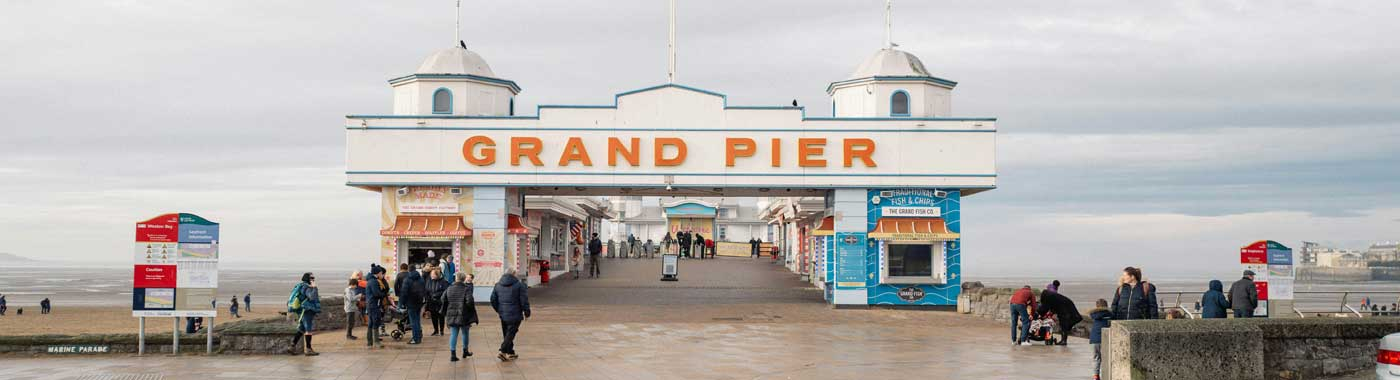
A visit to the seaside can teach global brands valuable lessons around community, localisation and culture.

As we enter autumn and the temperatures plunge, I am reminiscing on a trip I made this summer to the sunny seaside town of Southwold. Home of the Adnams brewery, the brewery is firmly tied into the local community with its array of pubs and high street shops. It sparked a thought about cultural fluency and the brands that get this right; the ones that celebrate the space they are in without being disruptive.
Being culturally fluent – creating brand experiences that sit comfortably within an environment – is more critical than ever. Misreading a culture or community can rapidly destroy years of brand building. Cultural fluency ensures a brand experience is impactful and effective; it adds resonance and meaning.
While a home-grown brand like Adnams can easily reflect the place it is founded in, for global brands to feel like they belong in different places is more challenging. It starts by showing up with respect. And that requires a deep understanding and interest in the DNA of the cultures and communities they want to feel part of. There is no shortcut to doing the research to achieve this – partnering with relevant local creatives, suppliers and communities to help build your brand experience.
Research comes in many forms but boots on the ground never fails. Site visits to see what’s already in the area, walking the streets, being curious, drawing inspiration from the location and noticing the details, all helps you tune into a city to celebrate and respond to the space and avoid being generic.
Cultural fluency ensures a brand experience is impactful and effective; it adds resonance and meaning.
Caroline Sparkes, Director of International Marketing, Sparks
Drawing inspiration from a culture isn’t a one way street. Ask what you’re giving back – whether that’s investment, visibility or opportunities for local talent. Brands should take something away with them too: a perspective or new way of thinking that enriches the brand globally.
Aesop stores across the world collaborate with local architects and craftspeople such as London's Soho store designed by JamesPlumb which repurposed Victorian plumbing materials. In Kyoto, Japan, the stores use Japanese timber and draw on inspiration from the city's machiya townhouses. This allows the global brand to feel as though it belongs to the neighborhood courtesy of its unique stores.
A great experience demonstrates that you’re a brand that cares about its customers; that it has taken the time to understand the people, the context, the place and that it wants to leave something of value behind.
It’s a powerful lever for your brand image. For example, Red Bull invests deeply in local subcultures. In Berlin, it has hosted underground music nights and supported emerging techno artists. It hones the local to amplify the global.
Experiences give brands flex. A brand can weave local food, music, design into its activations and adapt its formats, speaker line-ups, or environments to reflect how people in that region connect and learn. Advertising signals that a brand is in tune with culture but a brand experience proves it.
Nuance doesn’t weaken a brand, it strengthens it. The strongest brands aren’t necessarily identical everywhere, but they can feel meaningful everywhere. The strength of a brand is felt when it belongs rather than when it disrupts.
When being culturally fluent with brand experience, it's key to leave space for the unexpected, this way the event can evolve and shape itself. The most powerful cultural moments aren’t scripted; they are lived, sometimes messy, but always real.
Caroline Sparkes, who has 20 years’ experience of leading growth, marketing, and business development strategies for top global agencies across brand experience, digital, and product innovation is Director of International marketing at Sparks. Her career includes leadership roles at ustwo, George P. Johnson, Critical Mass, and Momentum, and most recently as consultant and co-founder of Outskirt Collective. She specialises in driving high-impact marketing initiatives, repositioning agencies for growth, and developing strategies that have delivered significant commercial results.
Looks like you need to create a Creativebrief account to perform this action.
Create account Sign inLooks like you need to create a Creativebrief account to perform this action.
Create account Sign in