Fuel Your Imagination
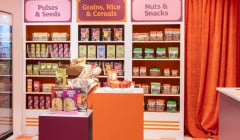
Sainsbury’s pop-up challenges overcomplicated wellness fads
The concept store shows that healthy eating doesn't need to be complicated.

Product sampling is on the rise as frugality signals a shift in behaviour towards value-seeking, writes Will Glynn-Jones.

Are we seeing a period of self-imposed, personal austerity? With global volatility increasing, confidence at an all-time low, and with belts tightening, consumers are becoming more sensitive to spending as they have ever been before. Frugality, once seen as negative penny-pinching and dull, is now firmly in fashion.
Whilst being frugal doesn’t mean a purely puritanical approach to spending, with the consumer taps being shut off completely, it certainly highlights a shift in behaviour towards value-seeking. Low consumer confidence leads to more considered spend and higher levels of product cynicism. In some categories, this is a particular concern. Within the beauty, fragrance and personal care categories, consumers can see purchases as high-risk. With above average (and in some cases, extremely high) price points together with unknown product efficacy, consumers need more comfort in what they are buying; they want, and demand, to try before they buy more than they ever have before.
Product trial ahead of purchase, in any category, is no new thing, but in an ever-fragmenting media and retail landscape, it’s becoming harder than ever to break through to consumers. How can brands help consumers discover and try new products? Brands need to play in every new environment that their consumers do. This means being active across different media channels and technologies - effective digital sampling platforms enable brands to connect physically with consumers across all of these environments.
Whether through creating communities on Discord through to activating influencer posts on TikTok or scanning QR codes in physical spaces: effective digital sampling connects brands more effectively and accountably with their target consumers. This gives consumers easier access to trial, on their own terms, and reducing the risk on their spend. A well targeted, relevant sample offer discovered through a consumer’s preferred social media space and delivered directly to the home offers cut-through like nothing else. Add a tailored discount against a full-size purchase at the consumer’s ideal retail point minimises the risk to the consumer and maximises the purchase opportunity.
This approach to value-seeking doesn’t just benefit the consumer. Brands are under even more intense pressure when it comes to budgets and the traditional model of broadcast, ‘spray and pray’, poorly targeted sampling are over. Well-planned, strategic-led digital product trial offers far higher level of targeting and provides the opportunity to mine data which allows for far higher measurability and attribution. Knowing exactly who is trialing a product, whilst minimising seepage beyond the target audience and being able to retarget post-trial and maintain engagement with consumers means that brands are more effective with their spend; only committing marketing budget that they know returns. Marketers will forever be tasked with proving value against spend and being able to point directly to purchase attribution answers this questions perfectly.
These levels of hyper-targeting don’t just mean less wastage of budget, but also in a manufacturing sense. In today’s world, where consumers’ expectations toward sustainability are key, it’s no longer seen as responsible to distribute products in an untargeted way. Brands are getting called out for such behaviour and bad reputations are hard to shed – and that’s before even taking into account the time and money needed to reverse public opinion. By getting a product sample into the hands of only key target consumers means brands spend only where and when they really need to, whilst not committing resources unnecessarily.
Looked at through such a lens, therefore, doesn’t mean frugality should be seen as a negative. It’s more of an opportunity for brands to be smarter, more creative, more curious and braver; to deliver great experiences and offers directly to consumers within environments that are relevant to consumers. These tailored, more personal experiences add value to consumers and drive them to them to feel more confident in the way they spend their hard-fought for cash. By doing so, brands can be more considered with budgets, sensitive to manufacturing wastage and win in the hearts and pockets of the consumer. Frugality? It’s the way forward.
With over 20 years’ experience in the Marketing Communications industry, Will has led and founded a number of successful independent, networked and private equity comms businesses. Currently leading the martech platform, Send Me a Sample, which he founded in 2018 ahead of selling to the Smollan Group in 2024, Will was formerly Managing Director of the shopper marketing arm of M&C Saatchi, Managing Partner at the creative content agency, The Moment, and Head of Brand Experience at Leo Burnett. Will has held senior relationships with Global clients such as Coca-Cola, Kimberly Clark, L’Oréal & McDonalds and regularly contributes to the industry through thought leadership and speaking engagements.
Looks like you need to create a Creativebrief account to perform this action.
Create account Sign inLooks like you need to create a Creativebrief account to perform this action.
Create account Sign in