


Trend
Marketing Lessons from the first AI Super Bowl
Authenticity still beats automation writes Chen Guter, CMO at Dig.
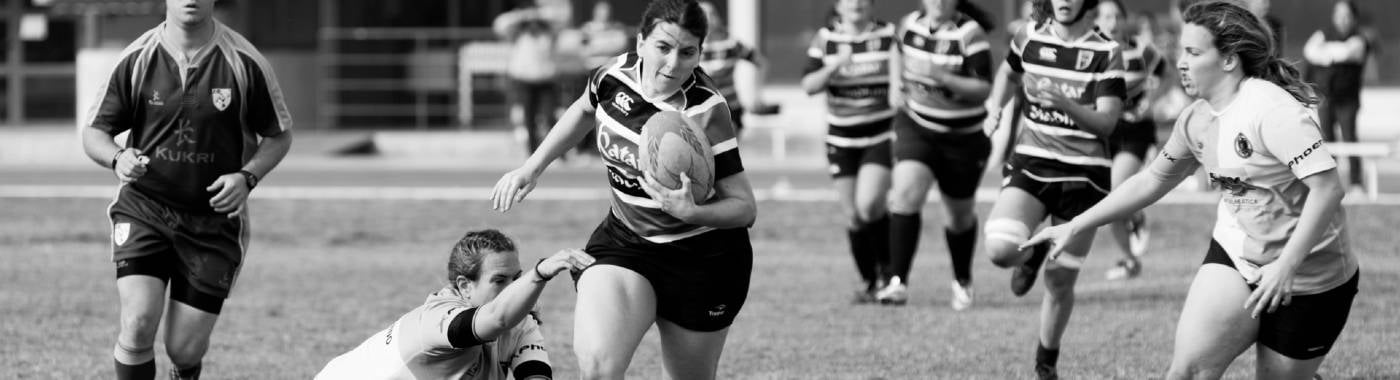
Ilona Maher’s success is a masterclass in building a powerful brand, writes Gareth Hall

Ilona Maher isn't your typical athlete. Yes, she's a powerhouse on the USA Rugby Sevens team, but her real game-changer lies in her ability to connect with audiences on a deeply personal level.
In a world saturated with polished sports personas, Maher's genuine approach has not only captivated millions (8.5m across Instagram and TikTok, to be precise) but will redefine how brands perceive and partner with female athletes.
This isn't just a story about social media success; it’s a masterclass in building a powerful brand that resonates far beyond the rugby pitch.
Maher’s ascent to being the most followed rugby player on the planet will reach its zenith later this year, if she is successful in her goal of representing the US at the 2025 Women’s Rugby World Cup.
The tournament, taking place across England in August and September, will be the biggest in the event’s history with over 220,000 tickets already sold, 50% more than the 2021 edition in New Zealand. And a host of big brands are on board - Mastercard, Capgemini, Asahi, Mitsubishi Electric, and more.
In women’s sport specifically, there is a clear need to invest in athletes to grow interest and demand.
Gareth Hall, Director of Growth at Sid Lee London
The challenge for rugby - both the women’s and men’s games - is to leverage their quadrennial global showpiece to facilitate growth throughout the intervening period.
Maher has shown the impact that one athlete alone can have during her seven-game stint with Bristol Bears earlier this year.
Demand was so high for tickets for the 28-year-old's first game for Bristol on January 5 that the club moved the game to the men’s Ashton Gate stadium, where 9,240 fans set a new league attendance record, more than doubling the team’s previous high.
Maher’s appeal is undeniable and has led to brand endorsements with adidas, L'Oréal, New Era, Secret and Paula's Choice, but she herself has observed that women’s rugby needs more recognisable faces in order to grow.
“I love being a superstar, but we can’t just have one.”
Maher’s case is reflective of the findings in The Fame Gap, a 1,400-person quantitative survey of sport fans across the UK and the US, commissioned by Sid Lee Sport.
The study found that individual athlete fame played a significantly more prominent role in women’s sport than in men’s sport, both in attracting fans (female or male) and driving ticket purchase intent.
Women’s sports fans are 51 per cent more likely to follow a sport due to buzz around individual athletes on social media.
In addition, the presence of talented individual athletes or the participant’s favoured athletes was found to be more important to fans of women’s sport than men’s sport when it came to purchasing tickets to a sports event.
The Fame Gap laid bare the fact that women’s sport is more reliant on individual athlete fame than men’s sport, but its top athletes suffer from a lack of broader recognition.
Women’s sport needs exactly what it lacks. It’s a vicious cycle - a Fame Trap - that limits commercial growth.
The insights from The Fame Gap and further research that shows fans of women’s sport are 2.8 times more likely to purchase a product recommended by a woman athlete rather than by another type of influencer, prove the business case for athlete-centric strategies for brands and rights holders.
In women’s sport specifically, there is a clear need to invest in athletes to grow interest and demand.
Maher created the biggest brand in rugby off her own back. Imagine what could be achieved if sponsors were actively leading their marketing efforts with athletes, not simply renting their fame but helping them to build it in the first place?
Nike (and other sportswear brands) are obvious examples that identify talent (and personalities) early on and put serious resources behind communicating those personal stories to the world.
But if you look at most major sport sponsors - including the list above for the Women’s Rugby World Cup - these are non-sport brands.
Examples of these deeper personal collaborations are thin on the ground, which in fact highlights the opportunity.
Now a 20-year-old Grand Slam champion, Coco Gauff was just 16 when US fashion brand, American Eagle, featured her in a campaign alongside Gen Z-friendly influencers, actors and actresses.
The success of that collaboration fuelled a long-term partnership that now includes an exclusive collection based on Gauff’s travel-heavy lifestyle, which sold out shortly after launch. Separately, the specific jean she modelled in store windows, billboards and social media is now American Eagle’s top-selling jean across its entire business.
Another notable recent example is Lay’s making Barcelona Femení star Alexia Putellas the face of its UEFA Women’s Champions League marketing. Granted, Putellas was already at the top of her game but this collab with a global consumer brand has elevated her profile, and that of women’s football, to new levels, whilst in turn generating fame (and therefore commercial success) for Lay’s.
These success stories offer valuable insights into how to navigate the fame trap and bridge the fame gap but what strategies can brands (and rights holders) implement to support an athlete's rise to stardom? From a Sid Lee perspective, there are three key attributes:
Athletic success is important, but personality is what truly resonates with women’s sport fans. The Fame Gap research indicates fans of women's sport are more likely to favour athletes who stand up for their beliefs. They also prefer athletes who appear in non-sports contexts. Brands should highlight the off-field personalities of female athletes and place them in adjacent areas of culture to satisfy this need.
2. Focus on creating fame, not fighting inequality
Many women sport campaigns directly target inequality. However, our research suggests this is not the best route to audience growth. Fighting inequality is not a reason to start following the sport or attend the game, famous athletes are. Fame is the name of the game and achieving it outperforms all other business metrics.
3. Invest in storytelling and social connection
Our research shows a consistent pattern highlighting the increased engagement in digital and social channels among female fans of women's sport. Invest in creative brand marketing platforms that allow these stories to be shared in meaningful and engaging ways.
Ilona Maher integrated these attributes into her own brand building perfectly and her journey to becoming the world’s most famous rugby player underscores the symbiotic relationship between athlete fame and the growth of women’s sport, providing a new blueprint for how athlete fame can drive commercial success.
The Women’s Rugby World Cup offers the perfect opportunity for supporting brands to identify more Ilona Maher’s to help continue the sport’s growth trajectory through to the 2029 tournament.
What is clear is that the onus can’t be on the athletes to be world class performers on the pitch and marketing gurus off it.
Now is the time for brands to help bridge the fame gap to facilitate the sustained growth and success of women’s sport, and ensure better ROI on their own sponsorship investments.
Gareth leads growth for Sid Lee Sport, combining a passion for sport with a deep understanding of business. With a background in both advertising and entertainment agencies, he brings a fresh, creative approach to the sports industry.
Looks like you need to create a Creativebrief account to perform this action.
Create account Sign inLooks like you need to create a Creativebrief account to perform this action.
Create account Sign in