
Trend
Are you asking the right questions about agentic AI?
The way people are making decisions is changing, writes Jon Williams.
Automation can sharpen workflows but the future of creativity depends on keeping taste human, writes Glenn Paton.

In a world where efficiency is often mistaken for creativity, the debate around AI and artistry has never felt more relevant. For agencies, brands and creators alike, the question isn’t whether we use AI – it’s how we use it without losing the very thing that makes our work distinctive: human taste.
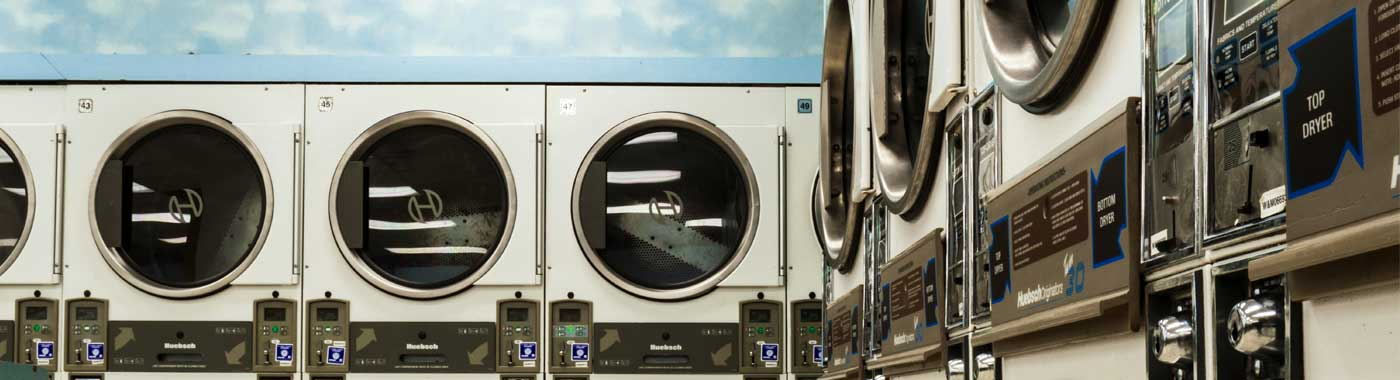
“I want AI to do my laundry and dishes so that I can do art and writing, not for AI to do my art and writing so that I can do my laundry and dishes.”
ChatGPT’s response to this:
“It’s like using AI as a tool for the more mundane tasks so that we have more time and energy for creative and fulfilling pursuits. Do you have a particular art or writing project you're working on right now?”
Pay attention to the last sentence. It’s missing the point. AI can explain the idea, but not feel it.
When I recently discussed the nuances of English humour, someone said to me, “ChatGPT is amazing. It can do anything. Just say - make the humour more English”. Again, this is missing the point.
The goal isn’t to outsource our entire existence, but to use technology as a force that amplifies what we love most.
Glenn Paton, Managing Partner at Leagas Delaney
We all understand how generative AI works on a surface level. But it opens up the question: can AI demonstrate taste? What is the magic ingredient that only a human can bring? Is it created by personality, taste, circumstances, upbringing, knowledge, experience, mood or amount of coffee drunk? Anything that makes us human on any given day will create this utterly unique set of criteria through which we try to explain things to the world. No machine can create those same particular collisions.
I believe taste can’t be taught. It’s an inherent part of us - something personal and intuitive that AI can’t replicate. No algorithm can match the depth of human intuition or discernment. Sure, AI will undoubtedly continue to tackle this in the future, but we must learn how to coexist with it and still thrive.
Growing up as a producer, then director and now managing partner, those nuanced skills are ironically more in demand than ever. For example, discussing with clients that emotional pull a brand can create still fascinates me. What makes a fashion brand quiet in its luxury? Why do we irrationally lust for an iPhone 17 when we already own the 16? To answer requires instinct and understanding.
I still sit with editors to decide cuts frame by frame. Good creatives and clients are still reworking scripts and judgements are still being made on set in between takes with directors. Those human moments matter. Sometimes, the parts that people don’t necessarily understand make something great but I can guarantee human intuition and taste are still standing front and centre.
David Bowie would physically slice lyrics and rearrange them to find unexpected meaning. AI could replicate the mechanics of this, but it wouldn't have Bowie's unique instincts to decide which phrases sparked emotion, nor his ability to push boundaries at the right moment in history.
The Velvet Underground & Nico album was riddled with happy musical accidents and the avant-garde, chaotic influence of Andy Warhol. It was because of all this that it transcended the norm and became more than the sum of its parts. It succeeded because of the messy and unpredictable but instinctive human touches.
Francis Bacon’s paintings are unsettling and visceral, drawing from his personal demons and lived experiences. AI might replicate his style, but it wouldn’t feel the same unease, nor would it push the boundaries of what 'should' be beautiful in the way he did.
As an agency, we use generative AI tools to complement and enhance our work, rather than replace the human touch. We believe the true potential of AI lies not in supplanting creative expertise but in automating the tasks best suited to machines. This way we empower our creatives and producers to focus on what they do best - crafting ideas that captivate and inspire. These ideas not only resonate with audiences but also elevate the brands we collaborate with.
As AI continues to evolve, we must carefully examine how it weaves into our lives. The goal isn’t to outsource our entire existence, but to use technology as a force that amplifies what we love most. That means ensuring space for art, imagination, and human connection; the sparks that make life meaningful, surprising, and worth living. As Picasso said: “The purpose of art is washing the dust of daily life off our souls.” Without those sparks, progress risks becoming dull efficiency rather than genuine, shining enrichment.
Oh, and as for the laundry? AI can take care of it. But taste? That’s still human territory.
Glenn kicked off his directing career with the short film ‘H Positive’, which received acclaim and festival laurels at Cannes, Berlin and Raindance, amongst others. He was nominated for Cannes ‘Young Director of the Year’ and has directed music videos for Chase & Status, Rudimental, Katy B and Frank Turner, as well as commercial films for Patek Philippe, Ballentine's and Amazon. In his role as Managing Partner, Glenn now oversees all production at Leagas Delaney.
Looks like you need to create a Creativebrief account to perform this action.
Create account Sign inLooks like you need to create a Creativebrief account to perform this action.
Create account Sign in