The new nostalgia: Tapping into past passions to puncture the trend vortex
Cultural artefacts can held brands to connect with audiences old and new.

Tim Smith
Founder and Creative Director, Fluoro and Creative Director, R.A.D Fluoro, R.A.DAs the information age speeds on, the power of nostalgia to trigger emotion just seems to increase. Witness thousands of overwhelmed mid-life men crying their hearts out at Oasis reunion gigs – teleported back to a time when the dreams they had as children hadn’t faded away. And in marketing, creative teams delve into the archives, reviving style and culture from past decades to trigger feelings here and now. Tottenham Hotspur’s new third kit campaign by T&P playfully references early noughties football culture, while JD Sports channels styles, film techniques and treatments from the 80s and 90s for its US campaign with Adidas by Sid Lee Sport.
Some of nostalgia’s appeal comes from older people reliving the times they had with a rose-tinted filter. Selective memory recasts actual events into something more poignant and problem-free. But a big part of the phenomenon is younger people feeling nostalgic for a time they either never experienced or saw from a distance as a child. Unchained from actual events, past eras can take on mythical status. The 90s has become for Gen Z what the 60s was for Gen X – an impossibly cool time of style, energy and relative freedom. People buy into other people's passions, reading the cues that show how much they mean, looking to catch the feeling, and layering on their own meanings.
The best marketing doesn’t just jump on a style or era that’s come back around with the kids – it passionately draws on references from the past to create work that’s totally current.
Tim Smith, Founder and Creative Director, Fluoro and Creative Director, R.A.D
As the world becomes more ‘meta’, it can feel like we are in an endless period of mega nostalgia, obsessively recycling decades past. Trends used to come in cycles but due to the internet, now behave more like vortexes. For the digital native youth, fashion has become disassociated from music and personal perspective. Previous generations walked, talked, dressed, acted and voted like their favourite band or music genre – it was a complete outward facing expression of interests. Now fashion trends change so much and so fast, and don't necessarily align to music tastes or perspectives. One week they’ll be in baggy streetwear, next they’ve gone goth, but they are still going to listen to techno in the same raves. Style and fashion are very much visual cues the young have seen on screen and liked.
But the best marketing doesn’t just jump on a style or era that’s come back around with the kids – it passionately draws on references from the past to create work that’s totally current. It should never be a pastiche. Rather than taking a style or era and doing ‘a version’ of it, it’s about looking at what's really relevant in contemporary culture and weaving threads together create something completely new. Using the latest techniques and technologies on classic culture and style from the vaults can create something compelling.
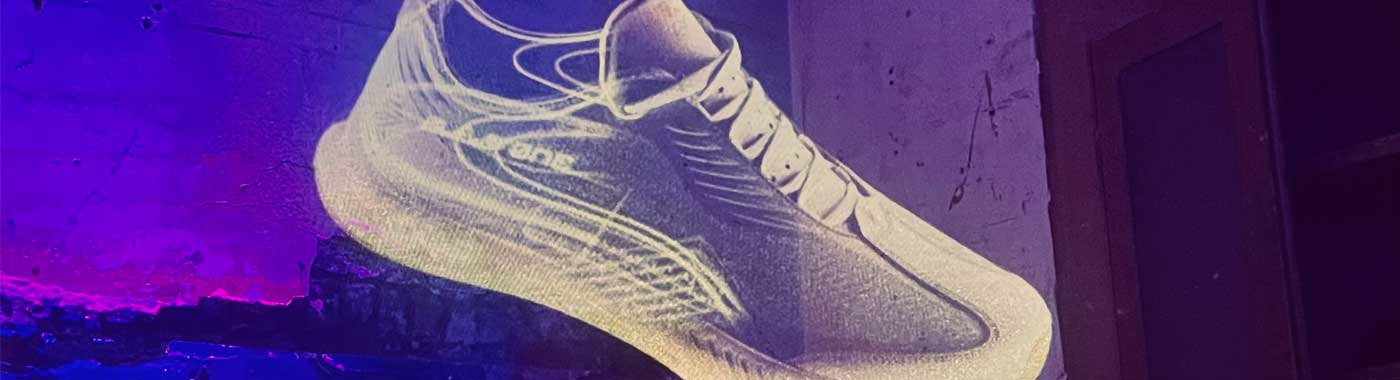
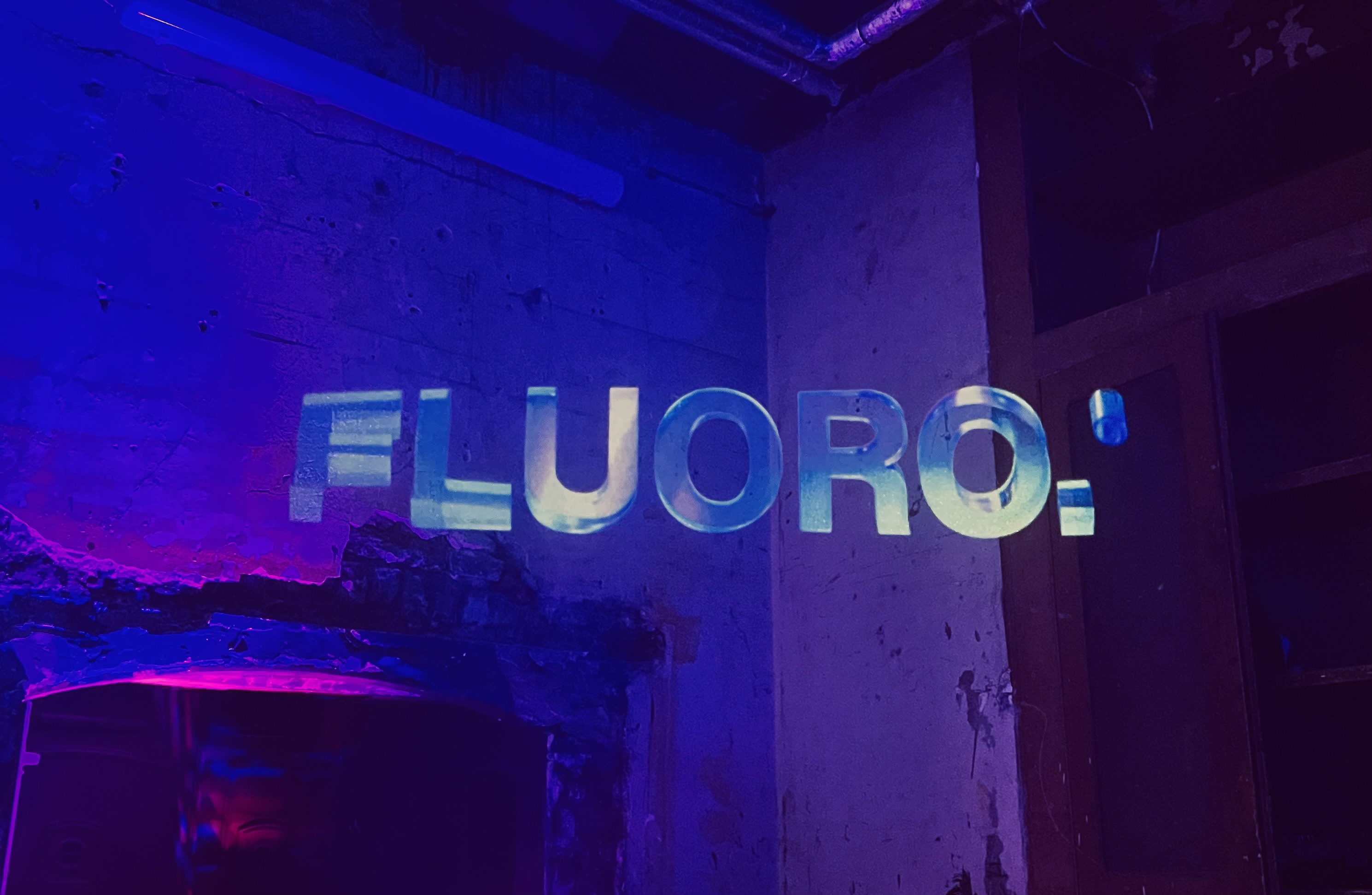
At Fluoro, we’ve partnered with performance footwear brand R.A.D (‘Rally Against Destruction’) to build a large and devoted fan base with zero ad spend, drawing on the rave, surf and skate subcultures of the early 90s. Incorporating visual artefacts from that era into the R.A.D identity, we brought a sun-bleached, fluorescent and vibrant mash up of colour and creativity to the performance sector, situating R.A.D within a world much broader than training and gym culture, while locating those subcultures within the brand’s DNA. Its lo-fi, retro-futuristic aesthetic is both familiar and distinctive; nostalgic and progressive. During London Design Festival in September, we projected some of the brand visuals via a 3D holographic installation at House of ICON in Shoreditch Town Hall.
A hologram sits between analogue and digital media, harking back to a time pre-internet. It’s version of something that exists in another time and space. It captures the energy and excitement of notions of teleportation; fears over replication and identity; and blurs the line between the real and the artificial. It’s mass hysteria over a holographic Tupac raised from the dead at Coachella; it’s Blade Runner 2049’s giant, immersive adscapes; it’s the feeling as a kid when you first saw a glitchy Princess Leia appear in 3D miniature to deliver the most important message. That was a moment before it turned out that animated versions of ourselves would be appearing in other rooms on a regular basis – on boring old Zoom calls.
It doesn’t matter what cultural artefacts from the past we revisit in creative work, as long as there was a deep-rooted passion for them in the first place. Then the new piece pays tribute to the original – like a gem of a sample in an exciting new piece of music. We can play with elements in nuanced and layered work, trusting the people’s intelligence to appreciate something with depth, generating energy and excitement to carry a brand forward.

Tim Smith
Founder and Creative Director, Fluoro and Creative Director, R.A.D Fluoro, R.A.DAbout
Tim Smith is a creative director with a back catalogue covering monumental brands Apple and Beats by Dre, as well as a host of disruptive game-changers like R.A.D®. He hasn’t restricted his outlook to branding – he crosses apparel, graphic and product design. Tim has spent his early career embedded in the luxury industry, but he isn’t an advocate for it. Feeling trapped by its staid, sometimes ostentatious aesthetic, Tim felt he was more aligned to creating brands that are fixated on shaping the future rather than walking backwards into it. He established the creative agency Fluoro® in 2016 and became the Creative Director of R.A.D® in 2021.