The power of representation
While young boys grow up surrounded by sporting role models, from Jude Bellingham dominating La Liga to Lewis Hamilton redefining Formula 1, girls haven’t always had the same level of visible heroes.
That’s starting to change.
Now, names like Mary Earps, Chloe Kelly are not only making headlines, they’re becoming household names. And beyond football, stars like Emma Raducanu, Sky Brown, and Zara Hyde Peters are proving that sporting excellence knows no gender.
But visibility alone isn’t enough. Brands still have a critical role to play in spotlighting everyday stories - the grassroots coaches, the community captains, the school team heroes. Because for the next generation of girls, seeing someone like them is what makes sport feel possible.
Where we are now: A new era for women’s sport
On a positive note, there is momentum and it is measurable. As Tammy Parlour, CEO of the Women’s Sport Trust, put it, we’re at a “crucial inflection point’’, and some brands are rising to meet the moment.
Take Persil. It's “Every Stain Should Be Part of the Game” campaign with Arsenal Women tackled the stigma around period leaks head-on. Backed by stats like the fact that 6 in 10 girls fear playing sport because of leaks, it transformed discomfort into a conversation, and shame into solidarity.
And it’s not just brands driving change. The cultural wave is building too.
London is set to become the global capital of women’s sport in 2025, with major tournaments across rugby, cricket, and football. Already, over 220,000 tickets have been sold for the Women’s Rugby World Cup.
The commercial case is equally compelling.
Almost 10 million UK consumers say they’re more likely to buy from brands supporting women’s sport, more than those backing men’s teams. And with female athletes holding a 7-point trust advantage in product recommendations, the business opportunity is crystal clear.
What showing up really means
Fans today want more than statements, they want substance. They want brands to reflect their values and invest in the communities they claim to care about.
That’s what SOOO (Style Of Our Own) brought to life on Regent Street. Their immersive pop-up gathered elite sportswomen and over 20 small businesses offering custom-fit activewear and specialist kit. More than just a shopping experience, it was a living, breathing example of how to build inclusive, empowering, real-world spaces for women in sport.
At the heart of all this is one essential principle: listen first, act second.
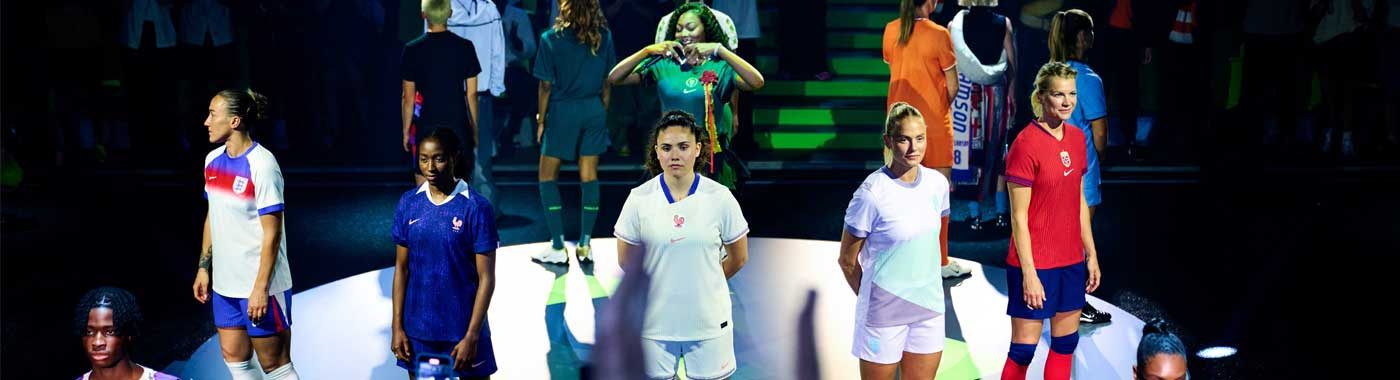
That’s the mindset we brought to NIKE’s EC25 launch. We knew it couldn’t just look good, it had to feel grounded in the community. So we opened with a gallery honouring the unsung trailblazers: the untold stories, the pivotal moments, the local legends who paved the way. Because real connection doesn’t start with a brand campaign. It starts with respect, recognition, and responsibility.
It’s also why we tapped into the London street scene with a live performance from British-Nigerian rapper Ms Banks, who symbolises the vibrant cultural fusion that defines Britain today. This was reinforced by the event’s metaphorical and literal spotlighting of each national team’s kits - from the Netherlands to Nigeria, and Norway to England.
As we head deeper into this summer of women’s sports, I hope campaigns like these show brands that real impact comes from purpose and not being afraid to engage with the lived reality. The best work doesn’t shy away from complexity. It’s backed by insight, rooted in reality and created with intention. These are the campaigns that move the conversation on. Not just because they make women more visible, but because they make them feel genuinely seen and deeply heard.
Image: Jordan Curtis Hughes