Run clubs, beginner football teams, hiking meetups. Community-led sports clubs, teams and groups are creating brand affinity and winning with consumers in a way that is making bigger sports brands rethink their strategies.
In principle, the format of a ‘local sports club’ is as old as time. Connecting people around shared passions, sitting at the heart of communities. But over time they’ve dated, found themselves geared more to older generations, men and the middle class. This has opened up a white space for more inclusive versions that address the needs of younger generations, women and non-binary people.
As Gen Z start to look up from their phones, they are realising what they have been missing. Post-Covid the need for in real life connection and community has become stronger than ever. For women, the idea of joining a sports club can feel intimidating, particularly if you haven’t played the sport before and don’t know anyone there. A new wave of sports clubs are emerging to fill the gap. And they are doing this with emotional intelligence and brilliant creativity.
So, what are these clubs doing that make them feel so on-point? What have they got so right – and what can the brands learn from them?
There are five ways that clubs embracing their community are able to build something bigger and more meaningful than a weekly dose of exercise.
1. Understanding emotional barriers.
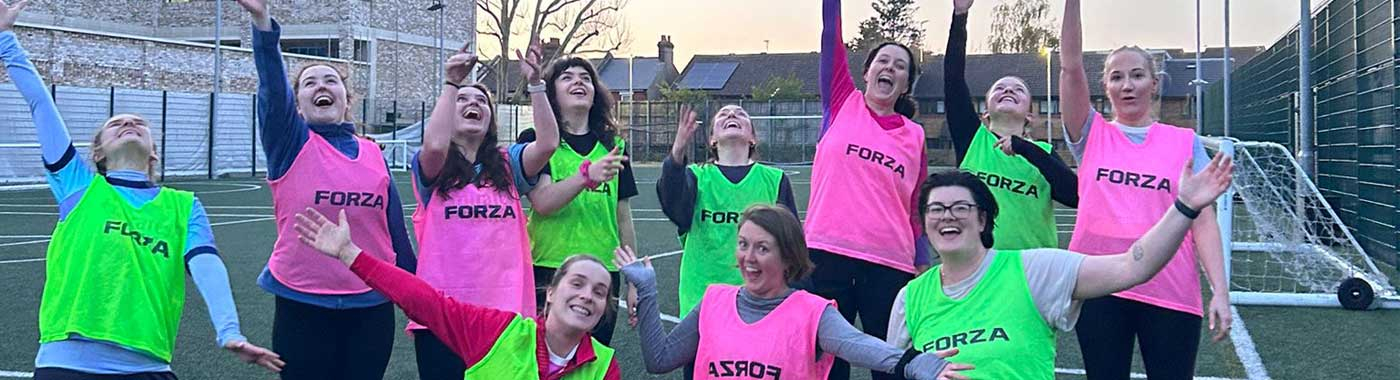
Yes, it’s sport, but it’s also joy, belonging and support. This is what makes women turn up each week. The real need for friendship, social connection, and an escape from parenting or caring duties. Whilst government bodies and charities grapple with how to get women more active, grassroots teams are just getting on with it. Beginners' football community, Gals FC bills itself as the ‘friendliest place to play football’ and provides a non-competitive option to decrease the pressure. Gals FC was created to give gals ‘a good time, on and off the pitch,’ with 96% of members feeling accepted at Gals FC and 82% returning to play every week because it’s good for their mental health. Rather than have coaches, they have ‘Vibe Protectors’ who keep the mood fun and ensure every newcomer feels welcomed. These may feel like small actions but they make a difference to women and that is why Gals FC has 450+ players registered across the country. Another example, Black Girl Hike, is a community built to help black women reconnect with nature and break down the barriers that have been preventing them from enjoying outdoor spaces.
2. Audience insight leading to strong values.
You can’t separate the two. Listening to the members keeps these clubs growing and evolving, whilst staying true to their founding values. As women, these communities represent a version of sport brought to you by its members. Goal Diggers FC, an East London football club, can tell you exactly what they need and believe in as women and non-binary members, with the 300 players contributing to training sessions, socials, brand activations and more. Crucially, every member is bought in. These high engagement levels are the sort of metric that any brand wanting to collaborate with the club should be looking at.
3. Nurturing creativity to build culture.
It’s the members of these grassroots clubs who shape the culture. And they are a thriving creative scene – from the ways they engage their fellow members, to the merch they create, to marketing themselves, to how they evolve the sport. They set a gold standard in creative activation. In grassroots clubs they focus on the fun that playing sport brings and that translates into brilliant events and social content, building brands that people actively want to join. Great examples out there include Marnie Rays who invite people into the world of surfing, Club Squash who aim to create a non-intimidating space for exercise and movement, and Girls on the Go in Liverpool who have a run club and many other events designed to combat loneliness in the city.
4. Collabs that build brand.
Brands are partnering with these communities for mutual benefit (authenticity meets commercial) and the ones that deliver for the consumer are the ones that stay true to the values of the community. Gorp Girls, a collective who offer events from fly fishing camp trips to maternity hikes, align their range of events with relevant brand partners. Most recently hosting a special edition London run club with Hoka and Dazed who additionally activated a Run Stop Corner Shop for the community to enjoy. To draw on an example from the luxe market, Sunset Tennis Club located across LA, has created something so aesthetically beautiful that the brand partners are queuing up to collaborate, Sporty & Rich, Oliver Peoples and Fila. There’s no doubting here, community has high value. It’s up to marketing to ensure the collab communicates an engaging and creative narrative that delivers on the strategy for both brand and community.
5. Community first, product second.
Many of these communities are creating a commercial business or merch line off the back of their club. Check out Bisque, who launched their ‘lifestyle tennis brand’ with community first, quickly followed by the lifestyle merch. And sometimes it’s hard to tell what came first – product or community – a great example is Instant Swim and Instant Swim Club. The entry point into this brand is two-fold. Either way the strategy is clear, it’s about putting community first. And the merch, well that quite frankly rivals (and inspires) some of the biggest global sports teams.
At Jeanie’s, we stay close to community clubs – some of them are our clients – as we believe this is the biggest cultural and commercial opportunity in sport. Which we guess leads to the question we often ask ourselves – what can brands learn from all of this?
The landscape of sports marketing is changing. There will always be the big-ticket global tournaments and events that attract those brands that want massive awareness. But for those who might not have that budget, these brilliant community clubs that are popping up offer another way to position your brand and connect with your target audience. Awareness might not be as high, but engagement is, and for lifestyle brands, this is a different entry point into sport.
From another perspective, sports organisations must be looking at these community-led clubs and working out how their boom can benefit the broader sporting eco-system. Why is there a fully membered up run club in town, but the local athletics organisation and running track is on the brink of collapse? If there is a rising interest in tennis, are associations feeling the benefits of fewer empty courts and welcoming the more diverse group of people who are enjoying the sport?
Working out how to bring together the thriving community sports scene with the bigger sporting organisations, whilst engaging and activating brands… That’s the sort of creative brief we live for.

![Southwark Gals[17].JPG.jpeg](/application/files/cache/4e9fd0b783e11227363cedae8f36f1a4.jpeg)
![Summer Party 2024[22].HEIC.jpg](/application/files/cache/f6266304764731a128734fe70ae38a4c.jpg)