Fuel Your Imagination
Sainsbury’s pop-up challenges overcomplicated wellness fads
The concept store shows that healthy eating doesn't need to be complicated.
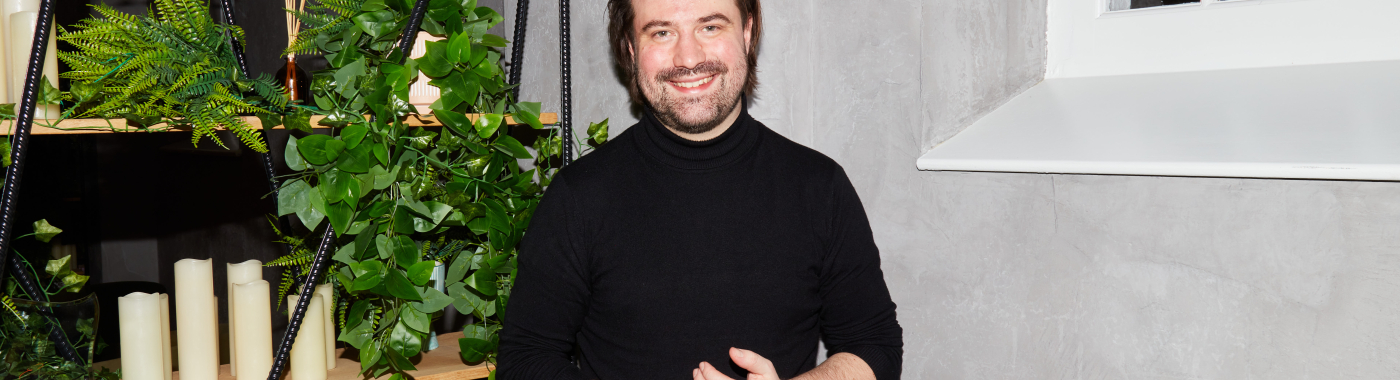
Dean Rodgers, Creative Director at Studio Secret Cinema on why connection should be at the heart of experiential marketing.

When was the last time a brand experience really made you feel something? Not just impressed you, but actually stuck with you?
If you’ve ever been to Comic Con, you’ll know the feeling. The buzz hits you before you even reach the door. People dressed up as their favourite characters, strangers bonding over shared obsessions and fans swapping theories about which actor might make a surprise appearance. It’s the kind of excitement that builds naturally when people care deeply about the same things, and with London Comic Con Winter and Birmingham Comic Con around the corner, you can feel the buzz growing again.
It’s the kind of atmosphere most brands could dream of. Yet, when you step into some of the biggest activations there, that energy starts to fade. The sets look beautiful and the branding might be flawless, but the feeling doesn’t quite match the fans it was built for.
It’s not that brands don’t care, but somewhere along the line, experience design became more about presentation than connection - spaces built to be photographed rather than felt. What’s missing is what we call the “live layer”, the element that injects spontaneity, surprise and human connection into a space, turning a moment of interaction into an unforgettable memory.
Somewhere along the line, experience design became more about presentation than connection - spaces built to be photographed rather than felt.
Dean Rodgers, Creative Director at Studio Secret Cinema
What I’ve learned from working in immersive is that you can design the most impressive set in the world, but if it doesn’t feel alive, people will walk straight through it. The live layer gives them a reason to stay.
And when I think about the best live experiences I’ve been to, there’s always something happening beneath the surface. Maybe it’s a performer wandering through the crowd, a shift in light or sound, or someone starting a conversation that makes the space feel less like a build and more like a world.
Those moments draw you in until you stop being a spectator and start feeling part of something that’s unfolding around you. That’s what the live layer does, it keeps the experience moving and makes people feel genuinely connected to what’s happening.
At events like Comic Con you can feel when something is alive because it changes how people behave.
When you give audiences small, human moments to lean into, they bond. AEG found that 69% of concertgoers have formed lasting friendships through music, and our own research shows immersive goes a step further, with 85% saying they make new memories with friends and family during the event. That is the kind of feeling that turns into loyalty and intent without you having to force it.
Live, engaging moments are also more shareable. They generate more video content and conversation, leading to more organic reach. When a space feels alive, the audience does your distribution for you
And in a crowded environment, being remembered is paramount. A responsive, bespoke living world beats a static set every time. It’s about creating moments that are so compelling, so unexpected, that they become the most sought-after invitation and the most talked-about activation.
Comic Con is one of the clearest reminders of what happens when people truly care. It's a pilgrimage for millions of devoted fans eager to connect with the stories and characters they love. For entertainment marketers, it presents an unparalleled opportunity to engage directly with their core audience.
But anyone who’s worked on a Comic Con activation knows it’s not easy. The pressure is huge and the challenges are real. You’ve got thousands of fans trying to see everything at once, never ending queues, and spaces packed so tightly that even breathing room feels like a luxury. You can’t control every variable but what you can do is design for flow: anticipate the waiting, the crowding, the need to feel part of something, and build them into the experience.
Getting that balance right isn’t easy, but I saw it in action at San Diego Comic Con at the Brawl Stars: Welcome to Starr Park activation where the world of the game spilled out into real life. Fans were greeted by in-character guides, sent on missions and thrown into surprise moments that blurred the line between story and reality. Everywhere you looked, something was happening - people figuring out challenges and cheering each other on. It felt unpredictable and human, which is why it worked so well.
The best Comic Con activations build worlds that fans already love and invite them deeper into them. Most importantly, they respect the fandom - by speaking its language and drawing on the lore, the references and the inside jokes that show a genuine understanding and appreciation of the community. Rather than just managing queues, they make them part of the experience, building anticipation rather than frustration.
What Comic Con proves is that when something feels alive, people respond to it. But that kind of energy shouldn’t stop when the event ends. You can take the same principles into any brand world - be it a product launch or a retail pop-up.
The live layer doesn't need to be expensive or overproduced. When something’s reactive, surprising and a bit human, people notice. It’s the difference between someone walking past a branded backdrop and someone actually stopping to be part of what’s happening.
That small shift can turn a moment of passing interest into something people remember and talk about long after the event is over.
Dean has been a creator of genre defining immersive experiences for over a decade and now leads Studio Secret Cinema’s in-house creative team. His journey began in 2014 when he created the groundbreaking immersive theft experience HEIST, which challenged audiences to commit a robbery. Following the success of HEIST Dean went on to design some of the UK’s top escape rooms, including Time Run - “The Greatest Live Game London has ever seen. In 2015 Dean co-founded The Crystal Maze Live Experience, raising £1 million on Kickstarter to bring the cult game show back to life. After escaping the maze, Dean founded Rogue Productions, an immersive experience and escape game studio. Rogue created escape rooms for market leaders Escape Hunt and Merlin Entertainments, as well as their own independent escape room: The Perfect Crime. In 2022 Dean joined multi award winning creative agency, Bearded Kitten to lead their immersive department. Here he directed and produced world class brand experiences for prestigious clients such as Disney, Warner Bros, Netflix and LEGO. Now Dean is delighted to bring his experience at cutting edge creativity to Studio Secret Cinema.
Looks like you need to create a Creativebrief account to perform this action.
Create account Sign inLooks like you need to create a Creativebrief account to perform this action.
Create account Sign in