Loading...
Loading...
Trend

Why prOOH is the ultimate safe space for LHF brands

With January 2026 fast approaching, now is the time for LHF advertisers to take a strategic and creatively driven approach to planning, writes Charmaine Tavassoly Moss.

Charmaine Tavassoly Moss

Programmatic Business Development Lead, Europe Bauer Media Outdoor

Share


The advertising landscape for Less Healthy Food (LHF) brands is on the brink of a fundamental shift. With voluntary adoption from October 2025 and full enforcement from 5 January 2026, the new rules will mean that brands selling products high in fat, salt, or sugar (HFSS) will no longer be able to advertise online, on broadcast TV, or via streaming platforms before 9 pm.

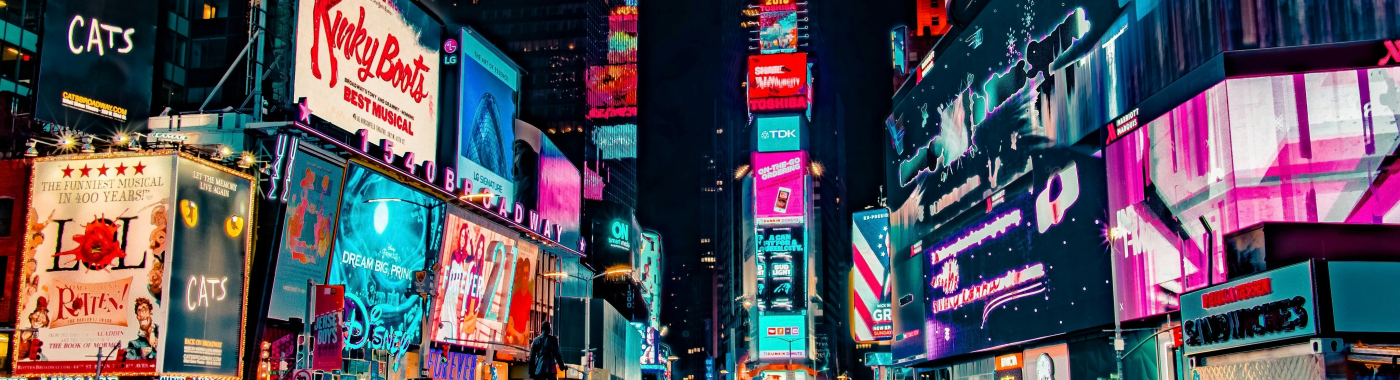
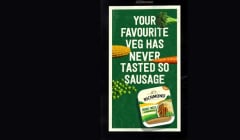
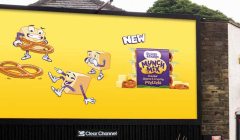
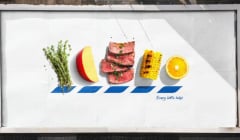
But while these high-reach, attention-driving channels that fuelled awareness and brand-building are constrained, public spaces remain open canvases. Out of home (OOH) has been a long-trusted, compliant environment for food brands such as confectionery and fast food – but programmatic OOH (prOOH) combines the physical scale of traditional OOH with the agility and creative flexibility of digital. It’s a creative playground where brands can experiment, delight, and engage in ways that screens simply cannot replicate.

PrOOH = creativity + scale

OOH reaches approximately 95% of the UK population each week, offering the kind of broad visibility that brands won’t be able to achieve elsewhere post-restrictions. From roadside billboards and transport hubs to shopping centres and retail-adjacent placements, prOOH is woven into consumers’ daily lives.

Public spaces offer flexibility that digital channels can’t: the freedom to design for audience context, scale, and duration, without worrying about time-of-day or data restrictions.

Charmaine Tavassoly Moss, Programmatic Business Development Lead, Europe, Bauer Media Outdoor

This reach provides a creative freedom rarely afforded by other channels. With national visibility and the opportunity to engage audiences at scale, brands can explore bold, high-impact concepts: playful visuals, oversized typography, vibrant colour schemes, and interactive formats that capture attention in physical space. Unlike digital channels, where creative often competes for attention in a cluttered feed, prOOH allows ideas to land in the real world in an unmissable and memorable way.

Where prOOH really comes alive is in its ability to marry programmatic intelligence with creativity. Advertisers can use real-time triggers to deliver contextually relevant messages:

â—Ź  Location-based content, such as tailoring messages near retail outlets or leisure destinations.

â—Ź  Time-specific creative, optimised for peak footfall or commuter hours.

â—Ź  Weather and environmental triggers, like promoting a hot drink on a cold day.

â—Ź  Interactive and gamified formats, such as motion-sensitive screens.

For creative teams, this opens up endless storytelling possibilities. A single campaign can dynamically adapt its visual language and messaging based on context, bringing a level of responsiveness and immersion that traditional static media can’t achieve.

Making every moment count

prOOH also delivers a cross-channel creative advantage. Campaigns in public spaces prime audiences, reinforce messaging, and boost the effectiveness of digital and audio channels. In an environment where online attention is fragmented and fleeting, prOOH ensures creative ideas land and resonate.

While the LHF restrictions may seem limiting, they should instead be seen as a catalyst for creative thinking. Public spaces offer flexibility that digital channels can’t: the freedom to design for audience context, scale, and duration, without worrying about time-of-day or data restrictions. For example, campaigns can explore sequential storytelling by using multiple screens along a commuter journey to unfold a narrative in stages, creating a sense of anticipation and progression.

Brands can also tap into interactive experiences, such as QR codes that invite audiences to engage with recipe ideas or product information in the moment. And with adaptive visuals, creatives can shift dynamically based on local footfall, time of day, weather, or seasonal events, ensuring each message feels relevant to the environment in which it appears.

Together, these possibilities allow prOOH to become a space where creative teams experiment at scale, blending artistry with contextual intelligence to deliver work that is both compelling and accountable.

Laying the foundations

With January 2026 fast approaching, now is the time for LHF advertisers to take a strategic and creatively driven approach to planning.

The first step is to audit their media plan and understand where reach and impact will be lost once the restrictions take effect.

Brands should begin testing creative formats during the remainder of the voluntary compliance window. This phase offers valuable time to understand how dynamic, interactive, or sequential campaigns perform across different environments, helping creative teams benchmark what works and refine ideas ahead of full enforcement.

Equally important is forming strong partnerships with media owners, whose expertise is crucial in navigating inventory choices, understanding high-impact placements, and ensuring brand-safe execution.

Finally, brands should invest time in developing bold, context-sensitive creative that works across both static and digital screens. As prOOH becomes central to LHF brand-building, the campaigns that stand out will be those designed with flexibility, relevance and visual imagination at their core.

A new creative era

These restrictions will undeniably reshape the advertising playbook for LHF brands, but that doesn’t mean they won’t be able to achieve the reach, influence and scale they have always achieved.

From January 2026, prOOH will position itself as the backbone of creative strategy for LHF advertisers – its combination of scale, flexibility, and measurable impact makes it an ideal channel to explore innovative storytelling, context-aware messaging, and real-world engagement.

As advertising continues to shift toward privacy-first, high-impact, and experiential formats, prOOH offers a rare sweet spot: the opportunity to reach mass audiences while preserving creative integrity and regulatory compliance. Those who embrace its potential now will not only navigate the LHF restrictions but will also define the future of brand creativity in a post-LHF world.

Guest Author

Charmaine Tavassoly Moss

Programmatic Business Development Lead, Europe Bauer Media Outdoor

About

Charmaine Tavassoly Moss is Programmatic Business Development Lead at Europe at Bauer Media Outdoor

Related Tags

OOH food & drink