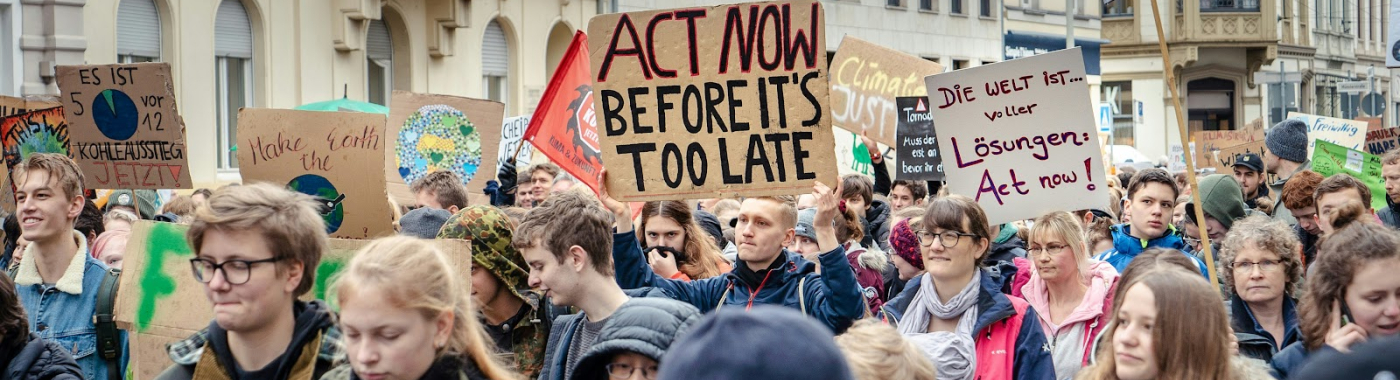
When I say the word ‘influencer’, someone along the lines of the following probably springs to mind: an attractive gen-Zer, in a beautiful location, enthusing about a new consumer product.
That’s the stereotype, but as we really know, influencers come in many different guises, with a wide variety of purposes, from encouraging behaviour change to challenging misinformation and advocating for causes.
Take eco-influencers, for example, these individuals and the communities they create are fast becoming an essential component of the communications arsenal in the fight against climate change. And I can speak from first-hand experience.
As the content lead for Earthtopia, one of the largest eco communities across TikTok and Instagram (part of my hybrid role alongside being the climate comms lead at our agency, 33Seconds), I oversee sustainability-related stories, tips and positive news curated for our planet-conscious audience.
But we’re obviously not the only ones doing this and to my mind, that can only be a good thing. There is a whole movement happening out there, harnessing the reach and power of social platforms to create progressive change.
How progressive influencers are making a tangible difference
The primary role of purpose-driven influencers and content creators is to communicate important information about innovations, causes, products and services to audiences, in order to elevate understanding, increase support and encourage action.
Sticking with the eco example, influencers in this field can help simplify complex topics from cultivated meat to carbon removal, breaking them down into clear, engaging and easily digestible formats, along with opportunities for further discussion and connection.
In this way, loyal communities of engaged individuals and early adopters are built, which brands, companies, charities and organisations can then tap into.
This isn’t anything new, cause-focused influencers have always been part of the social landscape, but recently this movement has been gaining real momentum. We are seeing this particularly in the UK and there are some clear indicators why.
From the UK Government to the Royal Family-founded Earthshot Prize, key organisations and institutions are currently taking progressive creators and communities seriously and have begun reaching out with the aim of working together to gain wider support for important initiatives.
Just recently, for example, No 10 held a reception with around 80 creators who produce content on a range of diverse topics from parenting and education, to finance, business and sustainability.
Why now is the time to take purpose-driven influencers seriously
But why now? you might ask.
As reports have shown, younger audiences are increasingly getting their news, views and information from social media, rather than traditional news sources, so right there is a reason to engage with this critical demographic where they already are.
Further to this, anti-progressive headwinds coming from the US have made it even more urgent that governments, businesses and individuals stand up for purpose-driven innovations and causes elsewhere around the globe as they battle against misinformation, denial and delayism.
With green policies, along with a commitment to reach net zero by 2050, for example, an important part of Labour’s agenda in the UK, the party will have realised that to win hearts and minds on this issue, it will need to engage with influencers and social communities to leverage their reach and impact.
This also provides additional clout and opportunity for eco-focused businesses and brands to work with creators to help tell their stories directly to engaged audiences. A strategy which is particularly important in nascent industries that rely on consumer acceptance once launched.
Creators as a channel for positive stories and action
Creators can also be a powerful tool in the fight against bias in the traditional media. Recently, a report was issued on how net zero may not cost as much as originally thought. But of course, the report findings were skewed in The Daily Telegraph, Daily Express and The Times (who have since served a correction).
For the UK Government and progressive businesses, utilising social platforms and working alongside influencers provides a highly effective channel to get across the positive stories and messages which are often not being reported fairly by the right-wing media.
With the global communications landscape shifting and those in positions of power realising its importance, if there was ever a time to take the role of the purpose-driven influencer seriously, it’s got to be now.
While progressive influencers, content creators and communities may all have unique identities, styles and areas of expertise, something that marks them out as different is their collective goal to create a positive future and society for both people and the planet.
Working alongside others in this shared mission, from government bodies and charities, to startups and forward-thinking businesses, will be a fundamental part of making this vision a reality.