
Hot Pick
Havas UK
Department for Education
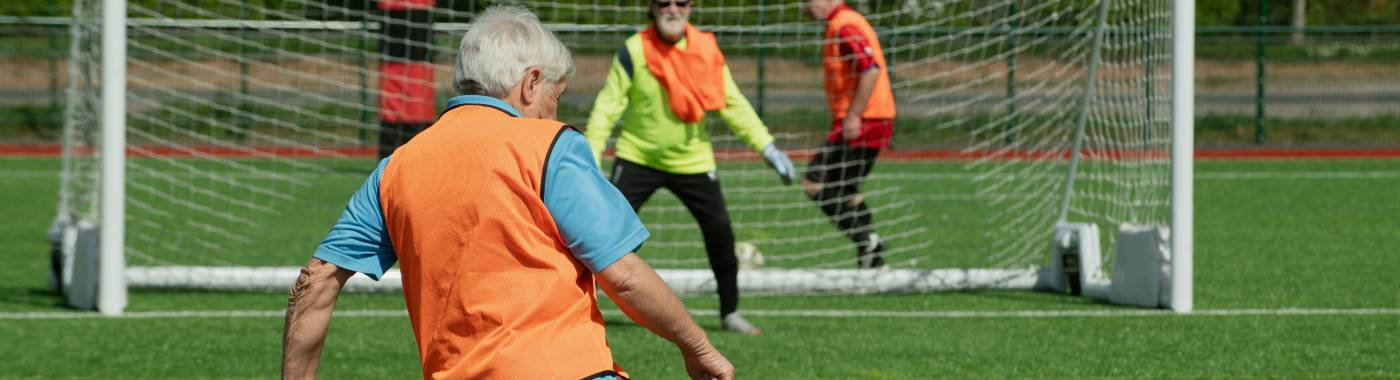
Catrin Kite asks how brands can help change perceptions around age in sport all year round.

I’ve never been a massive fan of April Fool’s Day – probably a result of my brother scamming me too many times as a kid – but I do enjoy flicking through various brand’s social posts each year to see what they’ve conjured up.
Sports teams, organisations and individuals love getting involved as much as anyone else. This year there was a claim circulating that the three teams promoted to the Premier League next season would receive a 3-point head start, Park Run announced their new underwater event and, most importantly in my opinion, The Well HQ used the day to shed light on astonishing facts from Women’s sport that they wish were April fool’s jokes - did you know that the first sports bra was made of two jockey straps sewn together, that women weren’t allowed to compete in the Olympic marathon until 1984 and that as recently as 2021 beach volleyball players were fined for wearing shorts rather than bikini bottoms?
Most non-professional athletes peak much older than the professionals and all this negativity does is create incorrect assumptions about what their bodies are capable of as they get older.
Catrin Kite, Head of New Business, Dark Horses
However, there was one sports-related April Fools post that got to me. A previous Olympian, now mother of two, created a post about her comeback, returning to next year’s Winter Olympics. Reading through the comments, many took the post at face value, expressing their excitement and congratulations before finding out it was not to be. Ultimately, the whole thing saddened me – partly because I would have truly loved to have watched her return – but mainly because the idea that a mother in her early 40s could still partake at that level is considered suitable subject matter for a joke.
This isn’t the first time I’ve written about age bias in sport and the impact that dismissing professional athletes in their 30s, 40s and beyond can have on perceptions of age and sport for the rest of the population. Firstly, many do compete at a top level much later in life - the Paris Olympics saw athletes up to the age of 69 taking part, with Tim Bollo playing tennis at 42, Andy MacDonald Skateboarding at 52 and mum of two Breanna Stewart being picked for the American Basketball team. But more importantly, most non-professional athletes peak much older than the professionals and all this negativity does is create incorrect assumptions about what their bodies are capable of as they get older.
So as the joke posts fade from our feeds from another year, how can brands help change perceptions around age in sport all year round:
Ultimately, everything we do contributes to overall perceptions. Even light-hearted posts can have an impact far beyond their initial intentions.
Cat started her career at The & Partnership before spending three years working at Bates CHI in Vietnam. She joined Dark Horses in 2018. In any spare moment she can be found running - whether that be on the track, trail, road, or even the sand dunes of the Sahara.
Looks like you need to create a Creativebrief account to perform this action.
Create account Sign inLooks like you need to create a Creativebrief account to perform this action.
Create account Sign in