Loading...
Loading...
Voices

The cure for purpose fatigue

At Creative Equals’ RISE, leaders from Reckitt and Effie UK explored Nurofen’s See My Pain as a masterclass in purpose and effectiveness.

Georgie Moreton

Deputy Editor, BITE Creativebrief

Share


At a time when brands are turning away from purpose, Nurofen is doubling down on its commitment. The brand’s See My Pain campaign is so much more than purpose washing; it is a long-term commitment to changing the language of pain and closing the gender pain gap.

The five-year-long campaign has just been named as the Effie UK Awards Grand Winner; an accolade which means it is the overall most effective entry in any category.  

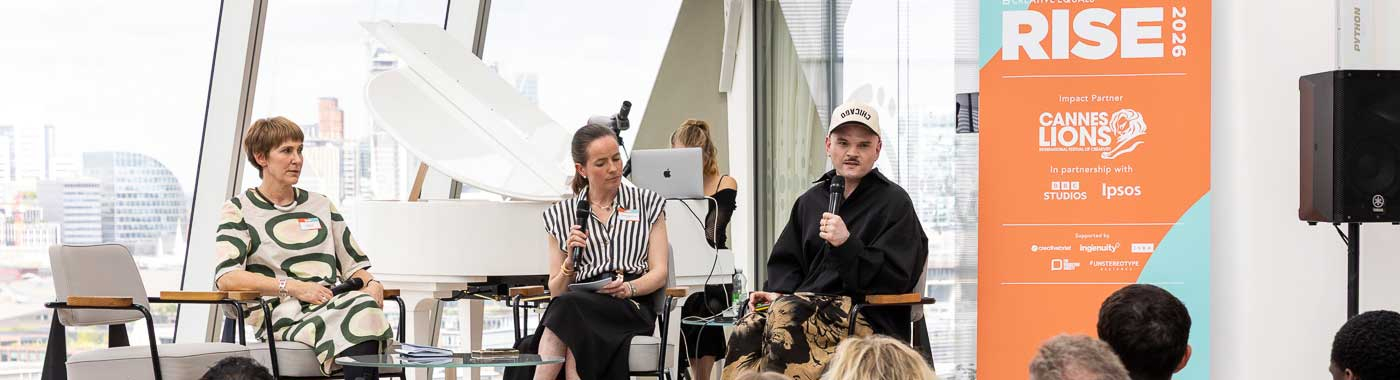
At Creative Equal’s RISE conference, Efrain Ayala, Global Creative Partnerships at Reckitt, spoke with Charlotte Löfgren-Rowe, VP Pain at Reckitt and Rachel Emms, Managing Director at Effie UK, on building a long-term, effective campaign with purpose at the heart.

The Effie Awards are designed to recognise the people, brands, and agencies behind the world's most effective marketing. Emms explained that for Nurofen to be awarded Grand Winner, the campaign had to have an impact on business as well as on society. 

She explained that for a brand built on years of efficacy, the shift toward purpose was notable because it wasn’t ‘fashionable’ but solved a genuine business problem.

The results speak for themselves. The campaign reversed a -10% trend into +15% growth, delivering a £4.41 ROI.

Shifting purpose perceptions

The five-year-long campaign was sparked by a business challenge. Löfgren-Rowe explained that Nurofen’s marketing had long been focused on the fact that it was effective and fast. In a market where speed was becoming commoditised, it was losing its edge. 

The brand saw an opportunity to shift its perceptions and become a trusted ally to people in pain. 

“There were two aha moments,” says Löfgren-Rowe. The first was that consumers' choice drivers in the category were emotionally led, and the second was that there was an existing blind spot in science pain reports. With regards to age, gender and race, there is a pain bias. Nurofen identified that better health literacy was needed to treat pain.
We knew we could make a difference.

Charlotte Löfgren-Rowe, VP Pain at Reckitt

Nurofen identified a real-world issue and had the means to help create a shift.

A clear role to play

See My Pain is not just for a commercial audience, it also speaks to policy makers, doctors, health professionals and communities. Nurofen rallied its teams internally to make change and ‘treat it as a project’ because “we knew we could make a difference,” explained Löfgren-Rowe.

Ayala explained how Nurofen created the Gender Pain Gap Index and looked at how the pain gap was exacerbated by intersectionality with regard to race and age. A lack of health literacy was affecting health outcomes. “A pain brand needed to step up,” Ayala says.

Nurofen utilised women’s lived experiences in the work. The brand went to pharmacies to train professionals to recognise their own pain biases.

The brand showed full commitment to the cause.

Rachel Emms, Managing Director at Effie UK

“You can see how it addresses different audience types,” says Emms. “The brand showed full commitment to the cause.”

Nurofen’s See My Pain campaign is a masterclass in inclusive marketing. It starts with a real-world problem, addresses a business challenge, and the brand has a clear role to play. 

This is a ‘replicable model’, Löfgren-Rowe explained. She says that other brands can play in this space by ‘starting with the problem, not the answer.’

Purpose and profit are not mutual pursuits. Brands can make a genuine difference. 

Photo credit: Bronac McNeill Photography


Creativebrief is proud to be supporting RISE with the free to access RISE Trend report. Please register to receive the report here:

Related Tags

Diversity/Inclusion