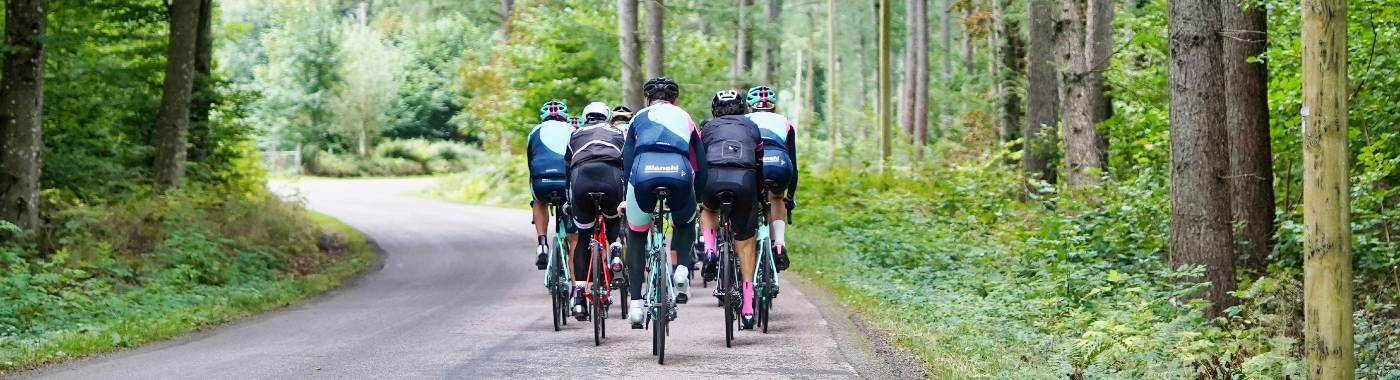
Rightly or wrongly, cycling’s boom over the past 20 years always felt like it was built on fame and success at the top of the sport; elite performances driving participation in the masses.
This is why British Cycling’s new strategy is to be lauded. The plan includes the rollout of a new social impact programme to get people into cycling, the launch of a new charitable foundation and the continuation of current goals such as modernising the sport, and expanding its City Academies and Hubs initiative. It extends access across all demographics by reducing barriers to entry and creating pathways to entrench cycling for generations to come, establishing a truly inclusive sport.
Few sports are embedded into the national psyche in the same way that, say, football is. Football has the ability to provide both escapism for supporters and a path to freedom for the select few with the talent. The delineation of leagues provides plenty of opportunity for young people to get into the sport. Whereas many other sports, such as cycling or cricket, have high barriers to entry and success in the form of a career is reserved for only a handful.
The challenge faced by British Cycling, and others following this path, will be making sure a broad subsection of society sees cycling as having the potential to be a part of their daily lives.
Cycling’s heroes aren’t confined to having been brought up in the higher echelons of society, like rugby unions’ warriors are typically perceived to be – Bradley Wiggins' tough upbringing in Kilburn has been well documented – however, there is still a perception barrier that needs to be bridged. This is where sporting bodies, brands and figureheads can show up. By showing potential and possibilities.
In 2022, former England cricketer Freddie Flintoff created a new cricket team made up of working-class teenagers to inspire a new generation to play cricket and prove that anyone can play the sport, regardless of their background. Representation matters in all walks of life and Flintoff made sure that people could see it was possible.
Flintoff, Wiggins, and other prominent figures, like Rugby Union player Ellis Genge appeal to the masses. Genge’s journey from a council estate in Knowle West to Twickenham has become a core narrative within English rugby and one that appeals to a wider demographic than rugby’s historic fanbase. His broad appeal led to a deal with Roc Nation, giving him a platform that has played a part in helping to shape the way in which the sport is now growing.
As well as representation, real action needs to happen. In 2019, British Cycling and HSBC UK launched a programme to provide over 600 free bikes to children in disadvantaged communities across Birmingham. Nike’s ‘Made to Play’ initiative aims to get children moving, especially girls and children from marginalised communities. By providing young people with the resources and equipment needed to support and nurture their full potential, the barriers to entry are lowered even further.
‘If you can’t see it, you can’t be it’ is a phrase that British Cycling, and all sporting bodies and relevant brands alike, would do well to keep in mind. This is a key moment to not only reinvent British Cycling, but also to remind everyone of the importance of both inclusivity and accessibility in growing sport, and the role that brands can play within that.