Trend
YouTube levels up creator partnerships with social series
‘The Brand Deal Desk’ series aims to help creators level up their brand partnerships on YouTube.
How to build cultural relevance at speed, scale emotional connection, and grow brand equity in today’s attention economy.

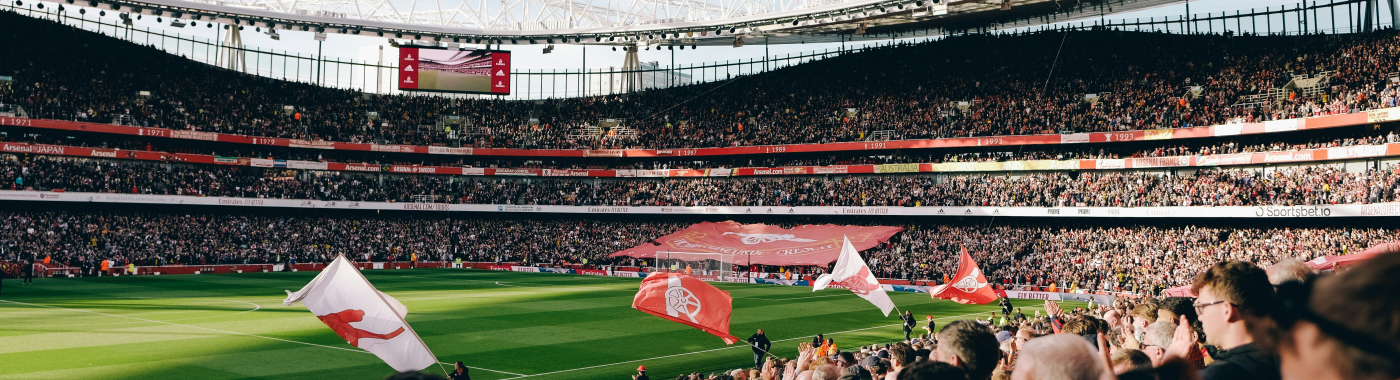
The Premier League doesn’t just win on the pitch, it wins on the feed. Scroll any match day on social and you’ll see a masterclass in real-time storytelling. Moments are captured, edited, and published in minutes. Meanwhile, many brand social teams are stuck in holding patterns, waiting on approvals, operating on quarterly calendars, and watching the cultural conversation pass them by day in, day out.
For corporate social media managers, it’s a clear showcase of what high-performance content looks like in the wild. It shows how to build cultural relevance at speed, scale emotional connection, and grow brand equity in today’s attention economy.
Here's what the best of sport can teach us.
In football, one goal can change the entire narrative of a match and within seconds, the internet is reacting. The best Premier League clubs have systems in place to respond instantly with visuals, copy, and formats ready to go. Their social teams are trained, empowered, and treated like first responders to cultural moments.
In contrast, many corporate teams are still working on a ‘wait and see’ model. A trending moment is spotted, flagged, reviewed, drafted, approved, and, by the time it's ready, the moment has gone.
The fix: Stop thinking of speed as risky. Build for it. Pre-approve responses, develop reactive templates, and create clear tone-of-voice guardrails so your team can move fast with confidence. Speed is not a gamble, it’s a competitive advantage.
Football clubs win hearts because they understand what their fans care about - and it’s rarely just the score. It’s the last-minute equaliser, the messy VAR call, the underdog hero, the post-match banter. The content is made for emotional impact, not brand messaging.
Too often, brand content speaks from the inside out, focused on metrics, milestones, or messaging priorities. But the audience doesn’t care about your Q3 uplift, the launch of your new campaign, or your awards cabinet unless you tell them why it matters to them.
The fix: Shift the lens. Start with what your audience feels, then reverse-engineer the message. Tap into humour, frustration, optimism and pride. Use memes, references, and formats that already live in your audience’s world. Football doesn’t talk at fans, it talks like them, and your brand should too.
When Cristiano Ronaldo returned to Manchester United in 2021, he had more Instagram followers than every Premier League club combined. A wake-up call, if ever we needed one. People follow people. They trust them, relate to them, and engage more with individuals than faceless brands.
Football has embraced this truth. Clubs now build content around players - mic’d up training, personal interviews, behind-the-scenes moments. It makes the club feel human, not just professional.
In contrast, most brands still hide behind the logo. Their most insightful analysts, compelling leaders, and creative thinkers rarely show up in the feed.
The fix: Put your people forward. Help them build their voice on social. Encourage thought leadership that feels personal, not polished. Let their tone shine through. When your people show up with consistency and credibility, they extend your brand’s influence in more authentic and effective ways.
Premier League teams don’t just post clips, they build content ecosystems. Whether it’s long-form docuseries like All or Nothing, short-form series on transfer windows, or weekly tactical breakdowns, these formats create consistency, loyalty, and importantly, return viewers.
Brand social often defaults to one-off posts. A leadership post here, a performance update there, a polished campaign in between. It’s sporadic, vanity-driven and doesn’t encourage ongoing engagement.
The fix: Build content like programming. Create series with themes, formats, and repeatable hooks. Think beyond the post to build mini franchises around leadership insight, behind-the-scenes access, or customer stories. This shift from comms-first to format-first helps your audience know what to expect and gives them a reason to keep coming back.
Most corporate social teams are built to protect, not perform. But in today’s culture-led, speed-driven environment, that model simply doesn’t cut through. The Premier League succeeds because its content strategy is aligned with how the world now communicates: fast, informal, human, and reactive.
If your content is always slow, overly cautious, and filtered through four rounds of approvals, you’re not playing to win.
The lesson from sport is clear: You need a team that is set up to move with the moment. That means building trust, embedding tools and templates, and giving social the seat at the table it deserves. Not as an output channel, but as a core storytelling function.
When you treat your social media team like a performance team - briefed, trained, empowered and ready to go - you stop being a brand that simply posts, and start becoming a brand that participates.
Adam Biddle is the CEO and co-founder of GH05T, the social agency behind brands including HSBC, Unilever and NBC Universal. With over 15 years’ experience in the industry, he has worked on social media for major artists including Robbie Williams, Fatboy Slim and Lily Allen. Since co-founding GH05T, he has grown the agency from 9 to 45 staff and expanded its client base from celebrity talent to global corporate brands. Adam’s experience spans entertainment, social strategy and brand leadership.
Looks like you need to create a Creativebrief account to perform this action.
Create account Sign inLooks like you need to create a Creativebrief account to perform this action.
Create account Sign in