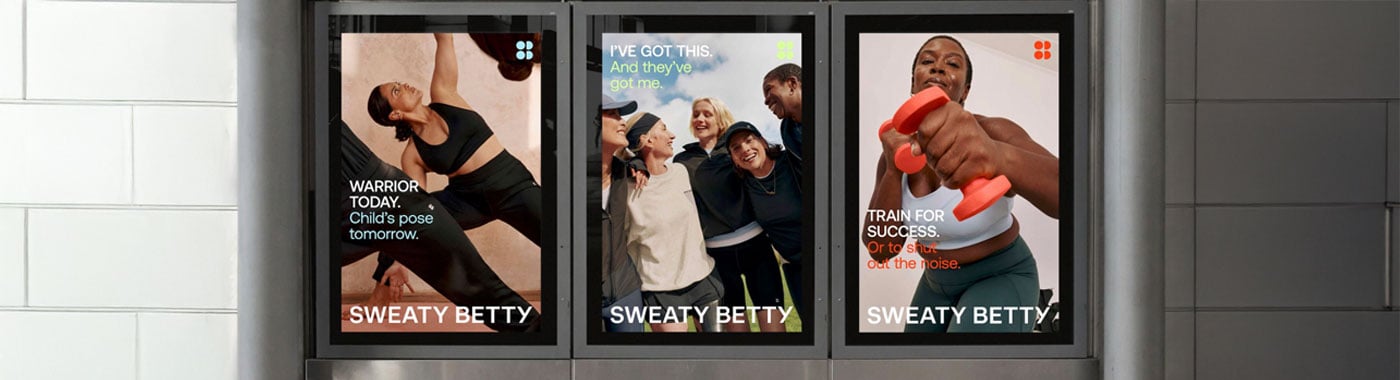
Some semiotic research we commissioned for a client described midlife as a ‘space of productive tension’: between freedom and invisibility, vitality and mortality, authenticity and enhancement. Therein lies the opportunity. If brands want to connect with this audience, they need to stop flattening her into a cliché and start seeing her in full 3D. Because the rest of culture already is. These women are taking matters into their own hands. Commanding primetime chat shows, building loyal social media empires, and dominating column inches simply by being themselves. They’re showing up. It’s time brands properly show up for them, too.
Why the disconnect? Look inside the agencies
One answer lies within our own walls. The average age of UK advertising employees is 34. Creative departments skew younger. The loudest voices on pitch decks and production calls are often decades away from hot flashes and teenage stepkids.
This matters.
Because when the lived experience of your customer is invisible in your creative teams, you get ads that miss the mark. You get campaign ideas that centre on menopause because ‘that’s what women that age care about,’ rather than recognising, as research from The Behaviours Agency shows, that menopause is just one thread in a much richer tapestry of change, reappraisal, ambition, and identity. That’s if they’re even part of the brief at all.
How midlife women see themselves
These women aren’t passive recipients of brand messages. They’re savvy, sceptical, and tuned in to being “handled.” They can sniff out pandering or age-washing at 20 paces. They want products and brands that work, yes, but they also want to be reflected. Not idealised. Not “empowered.” Just seen. They want help navigating everything from career pivots to body changes, rewilded libidos to empty nests. And not with a head-tilt of sympathy. With solidarity. Humour. Realism. Relevance.
The opportunity is emotional and economic
This is not just a moral imperative or creative challenge, it’s a commercial one. Women over 45 buy 50% of everything. They dominate household spending, they are increasingly online, and they are open to switching brands as their needs evolve.
But 89% say they feel ignored by advertisers. And let’s be honest, the lure of youth makes its way into the target audience box on client briefs far more than it should. In fact, in 2023, older women featured in less than 2% of all ads. If you're a brand ignoring this audience, you’re not just missing a trick, you’re leaving money on the table.
How to market mindfully to midlife
Let’s not call it a playbook. There are no rules. But here are some provocations that could lead us toward better, braver, and more mindful marketing:
1. Start with insight, not assumption
Don’t assume you know her because your mum’s that age. Midlife is wildly diverse - in age, ethnicity, experience, mindset. Some have toddlers, some grandkids, some both. You need more than one version of womanhood.
2. Drop the menopause megaphone
Yes, it matters. But she doesn’t want to be defined by her biological status. Would we do that to men? Brands who do will alienate more than they attract.
3. Ditch the euphemisms and get real
Midlife isn’t a euphemism for decline. But nor is it always a party. The most resonant communications hold both truths. Acknowledge the hard stuff: grief, body shifts, reinventions but without framing her as a problem to be solved.
4. Show, don’t say
Don’t tell her she’s powerful. Show her doing something bold. Don’t say she’s not invisible. Reflect her reality with authenticity and specificity - the kind that makes someone think and feel: “That’s me.”
5. Hire her
Not just in the ads. In your planning teams. On your creative pitches. As scriptwriters and stylists and strategists. Representation behind the scenes will change what we see on screen.
This generation of midlife women is the first to expect more. From life, from themselves, and from brands. They are not the women their mothers were. And if we treat them as such, we’ll lose them.
If we can find the honesty, imagination, and empathy to reflect her properly, we won’t just create better ads. We’ll create a better industry.