Fuel Your Imagination
Dragon’s Den-backed deodorant Fussy launches its first-ever TV campaign
The humorous campaign urges audiences to think about single-use plastic.
Lisa Merrick-Lawless, Co-Founder of Purpose Disruptors and Co-Creator of the Agency for Nature, shares why climate comms needs a creative overhaul.

When I was a teenager, my bedroom walls were covered in three types of posters: print ads for fashion brands like Calvin Klein and Benetton (it was the ’90s), flyposters for house music club nights, and Greenpeace posters.
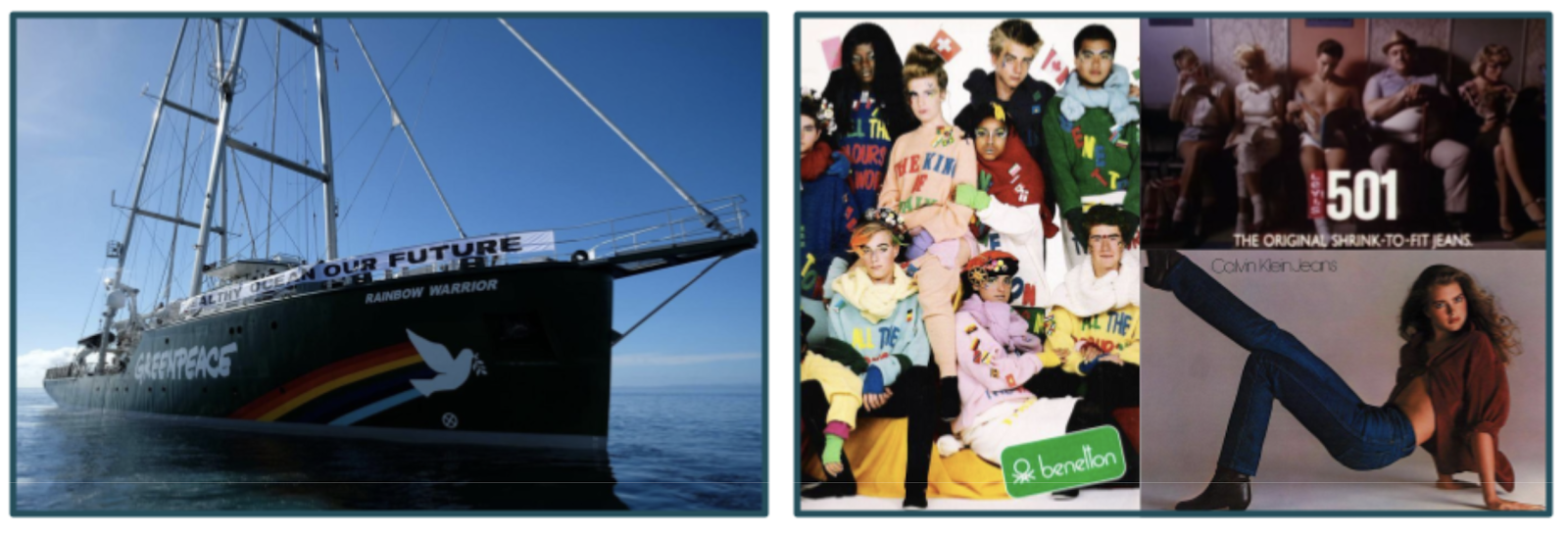
For me, they represented different parts of my world – fashion, music, and environmental activism – but they existed separately. Like many young people, culture shaped my identity. It was the water I swam in.
If you work in advertising, media, or marketing, this won’t come as a surprise. Youth culture is our bread and butter. When brands want to reach 18-30s, they embed themselves in culture, whether through music, fashion, sports, or influencers.
So why aren’t we applying the same approach to climate and nature communications?
Advertising is about capturing people’s imaginations - yet climate comms often lacks that creative spark.
Lisa Merrick-Lawless, Co-Founder of Purpose Disruptors
We know young people care about the climate crisis, but their relationship with nature is complicated. Many see it as a place to escape stress, yet they feel guilty for taking time out when capitalism demands productivity. The UK ranks lowest in Europe for ‘Nature Connection’, and young people feel that disconnect the most.
Meanwhile, traditional climate messaging isn’t cutting through. Terms like ‘Net Zero’ confuse people, ‘sustainability’ has been hijacked by the culture wars, and anything branded ‘green’ sounds dull or preachy. Worse still, nature is always depicted as the countryside, when 84% of us in the UK live in cities.
How do we change this?
Our industry is brilliant at making things fun, exciting, and memorable. We’ve turned meerkats into insurance mascots and made a drumming gorilla synonymous with chocolate. Advertising is about capturing people’s imaginations - yet climate comms often lacks that creative spark.
Yet that spark is exactly what’s needed. Research shows humour is an amazing tool in the climate toolkit. Making climate messages funny turns distant topics into something relatable. It makes awkward conversations easier to have.
As a co-founder of Purpose Disruptors, I spend a lot of time with climate comms professionals and people working in policy, PR, and advocacy. The common challenge? No one knows the magic formula for messaging that actually sticks.
The reality is, across all political and social groups, people care about climate. It’s consistently ranked a top-three issue in the UK alongside immigration and the cost of living. But the right language and creative approach remain elusive.
Back in 2013, Wieden+Kennedy created the legendary “Dancing Pony” ad for Three Mobile. When I first heard about it from a friend working on it, I thought it sounded bonkers. But then it launched and went viral. A pony moonwalking to Fleetwood Mac’s Everywhere? Pure joy.
That’s the energy we need in climate comms.
Yes, there have been great climate campaigns. One standout is Lucky Generals’ Make My Money Matter, featuring Olivia Coleman and Benedict Cumberbatch. It’s sharp, impactful, and gets people talking. But we need more. Research shows humour and entertainment are far more effective at driving emotional engagement.
It’s not about ignoring the urgency of the crisis – it’s about making people want to be part of the solution.
That’s exactly why we created The Agency for Nature, a pop-up creative agency for all life on Earth.
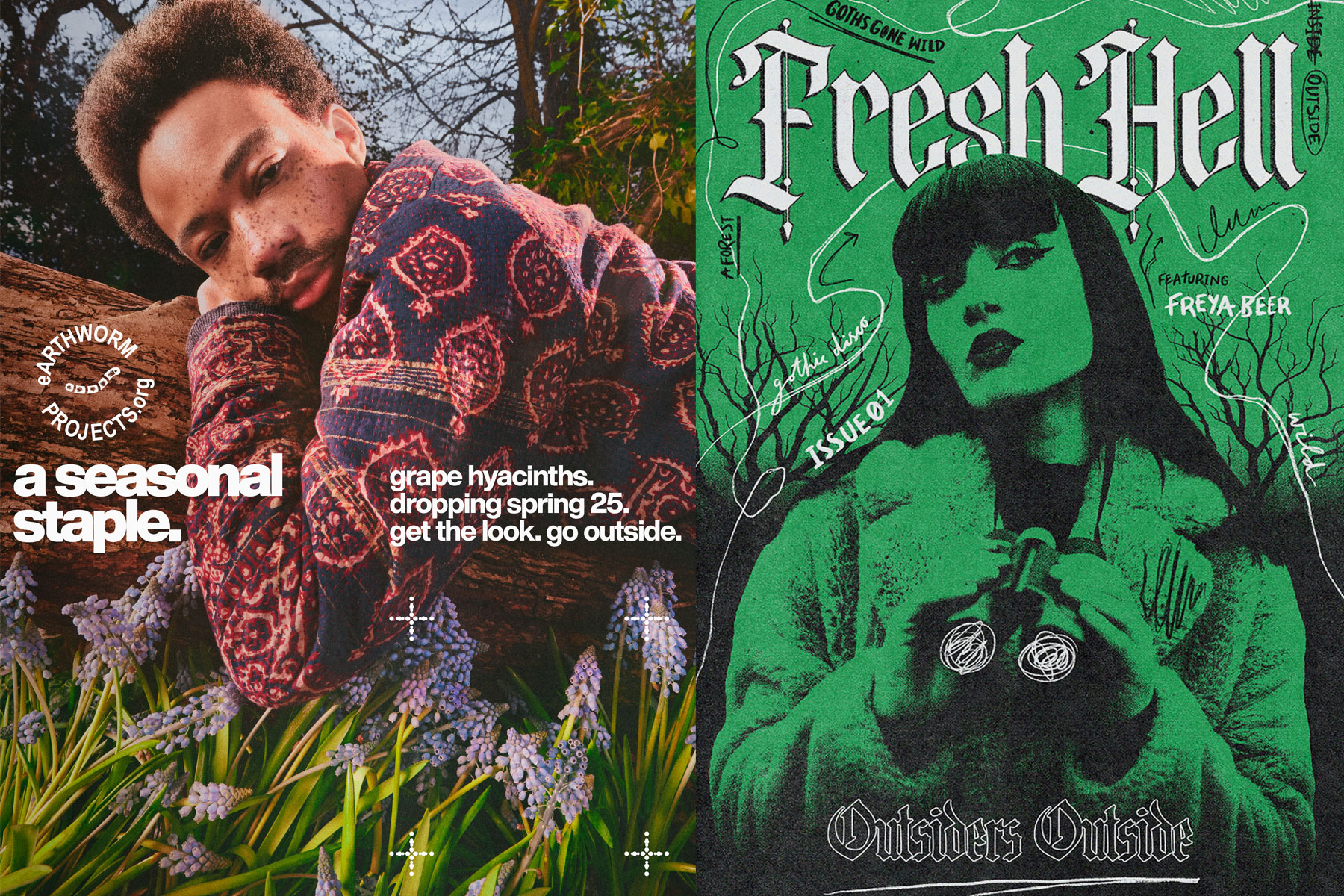
We recruited rising creative talent from leading ad agencies and gave them a brief straight from nature itself: Bring nature into the heart of youth culture.
What happened next was unlike anything we’d seen in nature comms before.
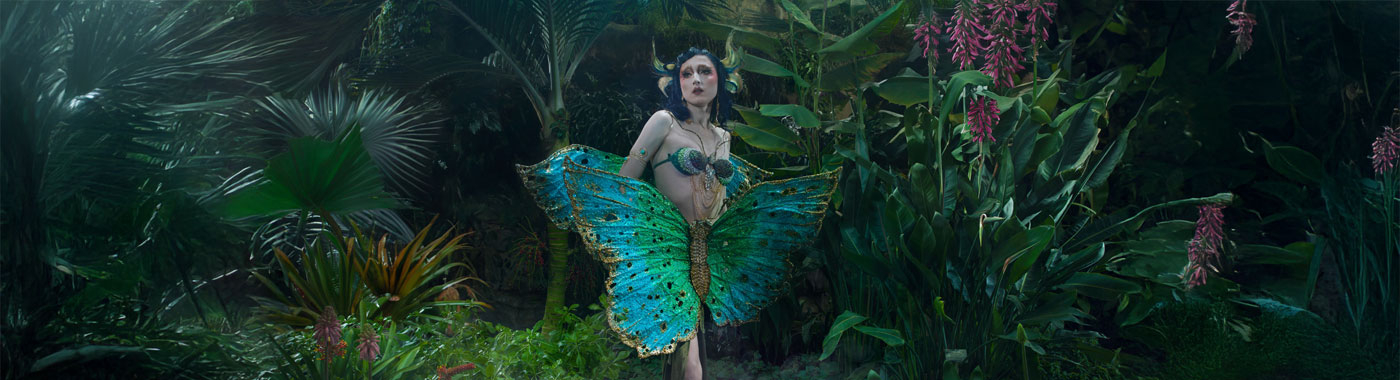
Season One campaigns meant it was out with doom, in with sex, psychedelia, high-fashion, gaming and urban mico-adventures.
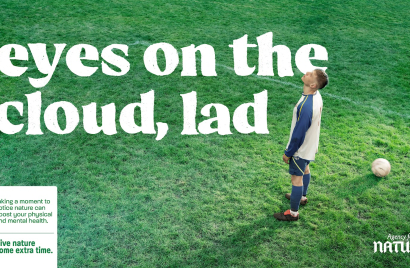
From goth culture to streetwear to grassroots football, our campaigns made nature cool. For Season Two, we brought on board talent from AMV BBDO, Iris, VCCP, House 337 and Droga5. The genius surprises kept coming, our campaigns made nature cool. Here’s a snapshot:
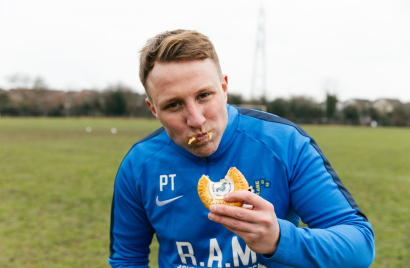
We found ourselves hyping the extravagance of nature with the fabulous and flamboyant drag artists much to the surprise of the pensioners passing by at RHS Garden Wisley, and stuffing our faces with matchday pies with foraged ingredients with an amateur football team in Derby. They were as fun to make as they are to look at.
These campaigns were made possible by our brilliant partners – Locate Productions, JCDecaux, Pearl & Dean, ITV, Meta, and Snapchat. Our partners helped us reach over 17 million people across TV, cinema, Billboards, radio, social, digital and influencer channels.
Beyond the numbers, the response has been phenomenal. Nearly 200 people have reached out to be involved. One described Agency for Nature as “the missing link between nature initiatives and real action.” Another called it “game-changing climate communications.”
This is proof that when climate campaigns are bold, fun, and surprising, they resonate.
We need fresh, unexpected approaches to climate and nature comms. The goal isn’t just to inform. It’s to move people. To create campaigns that don’t just raise awareness but make people care and act.
Our industry has the creative firepower to cut through the noise – and make work that paves a new path for the industry, ‘driving more desire’ for things that really matter (and less for the things that don’t).
So, if you aren’t creating this kind of work, ask yourself why not? And, If you are working on a climate or nature brief, make the work more Dancing Pony – so more people actually give a shit.
Lisa has over 20 years of experience in marketing and advertising, working with some of the world's biggest brands. In 2019, she experienced a climate reckoning and redirected her skills towards co-founding Purpose Disruptors, an award-winning non-profit transforming the advertising industry to work in harmony with the natural world. In 2021, she launched the Good Life 2030 project, aimed at redefining the concept of a ‘good life’ by shifting focus away from consumerism toward connection. The project has yielded campaigns reaching millions, a creative exhibition at the Tate Modern, and most recently, the Agency for Nature – the first Creative Agency for All Life on Earth, garnering attention from BBC, The Irish Times, Mashable, Vogue Business, and It’s Nice That. Seasoned speaker, advisory board member, academic assessor and urban nature-lover who can often be found swimming in her local reservoir.
Looks like you need to create a Creativebrief account to perform this action.
Create account Sign inLooks like you need to create a Creativebrief account to perform this action.
Create account Sign in