Tennent’s dreams of Scotland’s World Cup
The campaign celebrates Scotland’s participation in the men’s World Cup group stage for the first time in 28 years.
In a growing sport, brands must make room for new opportunities through investment
Modern rugby, as a sport, always has a focus on everything becoming a bit quicker - only the Japanese transport network has a greater obsession with delivering stuff in under three seconds. Two classic examples of rugby being focused on rapid delivery are ‘line-speed’ and ‘ruck-speed’. In fact, during the current Women’s Rugby World Cup, we’ve seen Canada complete entire matches with a ruck speed well under three seconds – that’s a level of speed and precision that would get a nod of approval from most species of Hummingbird.
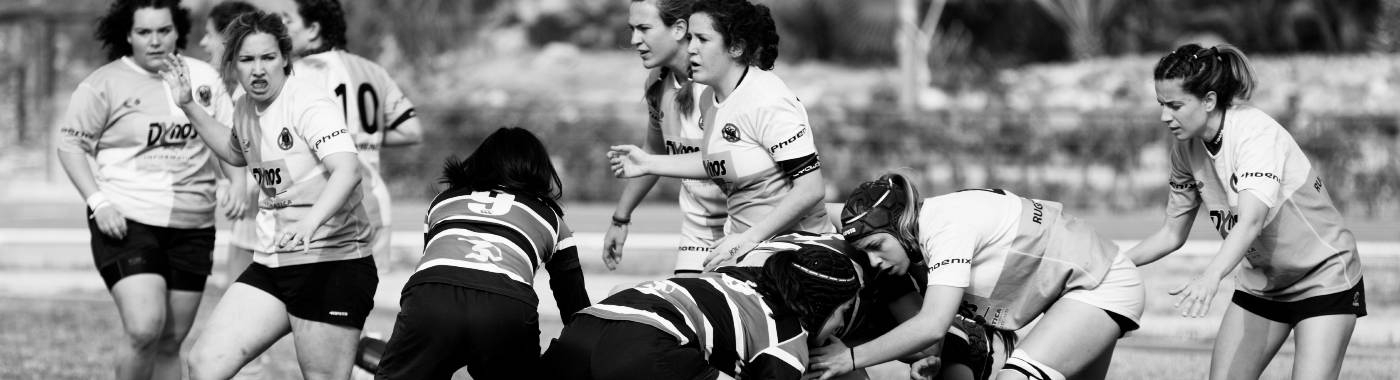
However, women’s rugby, and women’s pro rugby in particular, isn’t something that is going to benefit from short, sharp activity when it comes to money – longevity of investment and sponsorship in rugby is where it’s at.
Examples of where long-term sustained investment and sponsorship have improved rugby are all around us. From an investment perspective, England’s women are the prime example. Many of the test teams in women’s rugby still aren’t ‘fully pro’ and those that are have only been pro for four-ish seasons. England’s women have been pro the longest (since January 2019, to be exact), and the benefits of long-term cash investment are there for all to see. England’s women are currently ranked number one in the world; seven points clear of Canada – that’s a massive difference in terms of World Rugby ranking points. To put it simply, England’s women hand out more beatings than a 1970’s mob boss.
Long-term investment in women’s rugby matters because the benefits don’t always show up instantly.
Paul Williams, Creative Director at Golley Slater
Long-term investment in women’s rugby matters because the benefits don’t always show up instantly. Whilst sponsors will see a bump in brand visibility straight away, the sport itself is building for the next 18 years, not the next 18 months. Some supporters bristled when the WRU’s Head of Women’s Rugby, Belinda Moore, recently said their Rugby World Cup campaign wasn’t a failure because engagement levels had risen. Purists might dislike it, but she’s right. At this stage the wins come off the pitch as much as on it.
The lesson from men’s rugby backs that up. Early sponsors in the professional era gained associations that stuck for decades. Heineken is the classic example. Europe’s club competition is still called the Heineken Cup by fans long after the brewer stopped paying for naming rights. Invest early and rugby supporters will repay you with loyalty that money can’t buy later. In short, rugby fans have long memories, and once a brand earns its place, it’s almost impossible to dislodge.
This is where some brands are getting it wrong. There’s a strange assumption that women’s rugby attracts a completely different kind of audience. It doesn’t. They are rugby fans. They sit in the same stands, drink in the same pubs and wear the same shirts. In Wales, many of the chairs of men’s supporters’ clubs are women. The target market is not niche, it’s the same – only with space to grow.
And that space is the real upside for brand marketers. In the men’s game, the shelves are stacked high with sponsors. In the women’s game, there’s still room to claim first-mover advantage. Associating early gives brands cut-through and the chance to be remembered as the ones who helped the sport flourish. For marketers who constantly wrestle with the problem of standing out in cluttered environments, women’s rugby offers something rare: visibility without the noise.
Every rugby coach will tell you matches aren’t won in the opening minutes. The same goes for sponsorship. Women’s rugby doesn’t need short-term deals or opportunistic campaigns. It needs consistent backing from brands willing to build something that lasts.
The game is still forming its partnerships, and that means sponsors stepping in now aren’t just buying visibility, they’re shaping rugby history. In years to come, when women’s rugby is filling Twickenham and the Six Nations is drawing record crowds, it won’t be the one-hit sponsors remembered. It’ll be the ones who committed and stayed the course.
For brand marketers, the call is clear. If you want lasting association with a sport that’s only going in one direction, now is the moment to get behind women’s rugby. Get in early, stick around, and the loyalty of players and fans alike will carry your brand further than any short-term campaign ever could.
Paul Williams is Creative Director for Golley Slater, a leading creative agency, as well as a rugby writer for Rugby World Magazine, Rugby Pass and the United Rugby Championship.
Looks like you need to create a Creativebrief account to perform this action.
Create account Sign inLooks like you need to create a Creativebrief account to perform this action.
Create account Sign in