Hot Pick
Tennent’s dreams of Scotland’s World Cup
The campaign celebrates Scotland’s participation in the men’s World Cup group stage for the first time in 28 years.
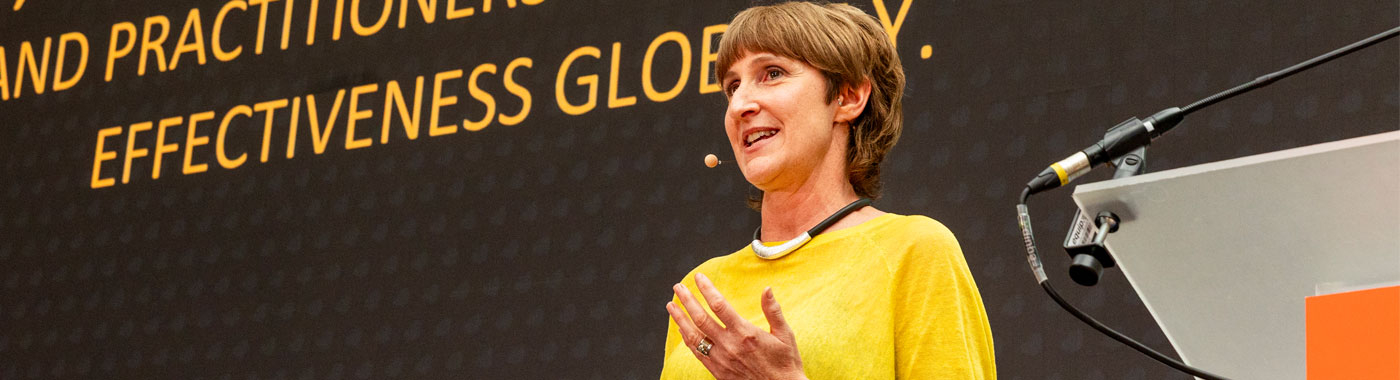
Rachel Emms, Managing Director at Effie UK, has revealed that the most effective award-winning campaigns have inclusion at their core.

“The most effective marketing is inclusive marketing.”
Rachel Emms, Managing Director at Effie UK, is revealing the results of research the organisation has undertaken with Creative Equals to understand if inclusive marketing can successfully grow businesses.
The research partnership used data aggregated from Effie Awards UK across the last three years (2021, 2022 and 2023). Initial analysis showed that an Effie Gold-winning agency is 7.2% more diverse than the industry average and an Effie award-winning agency (all trophy levels) is 4.3% more diverse than the industry average.
The wider research explored 52 winning case studies from the Effies. These included 1 grand winner, 6 gold winners, 13 silver winners, 18 bronze winners and 6 non-winning category entries. The case studies were then benchmarked across five key inclusion elements.
The research showed that 58% of Effie UK award-winning campaigns had inclusion at their core. Emms explained: “The most effective campaigns actively embedded inclusion across objectives, targeting and media.”
Inclusive portrayal positively influences brand choices.
Rachel Emms, Managing Director, Effie UK
Answering the question: Can inclusion fuel effectiveness? The short answer: Yes. Emms pointed to the fact that Effie Gold winners successfully embedded inclusion across all business objectives and within targeting and media.
“Inclusive portrayal positively influences brand choices,” explained Emms, adding: “If you overtly appeal to minority audiences, it doesn’t alienate the majority.”
Emms pointed to the success of Ford with its ‘Make it Visible’ campaign, created by VML. As the biggest supplier of vehicles to the construction industry, Ford was uniquely positioned to use its nationwide footprint for good.
The brand successfully raised awareness of mental health issues in the construction industry, supported by a partnership with the Lighthouse charity. “If you find an underserved audience, you can really make a difference to their lives,” added Emms.
“Marketing is the business of changing minds, changing behaviours and changing outcomes. It’s the art and science of making a difference,” shared Emms. A business which she believes is ‘perfectly primed’ to deliver both growth and good.
She continued: “Effie’s mission is about leading, inspiring and championing the practice and practitioners of marketing effectiveness globally. There are a lot of businesses where marketing is seen as the colouring in department, but we are business critical.”
Debbie Tembo, Inclusion Partner at Creative Equals, urged the industry to stop chasing scale and instead build depth where it matters most.
She explained: “We are done ticking boxes on screen. We are integrated, diverse voices behind the screen. Creative effectiveness isn’t about reach, it is about resonance. Work with diverse creators and move from occasional collaborations to long-term partnerships. It is not just about visibility, it is about value.”
Underlining the importance of authentic inclusion across the marketing ecosystem, Emms added: “In an age of hyper-aware audiences and shrinking trust, brand messaging without meaningful community impact is just noise.”
A truth which underlines that inclusion is not a nice to have, it is business critical.
Photo Credit: Bronac McNeill
Looks like you need to create a Creativebrief account to perform this action.
Create account Sign inLooks like you need to create a Creativebrief account to perform this action.
Create account Sign in