Hot Pick
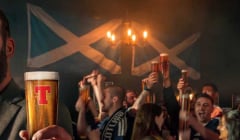
Tennent’s dreams of Scotland’s World Cup
The campaign celebrates Scotland’s participation in the men’s World Cup group stage for the first time in 28 years.
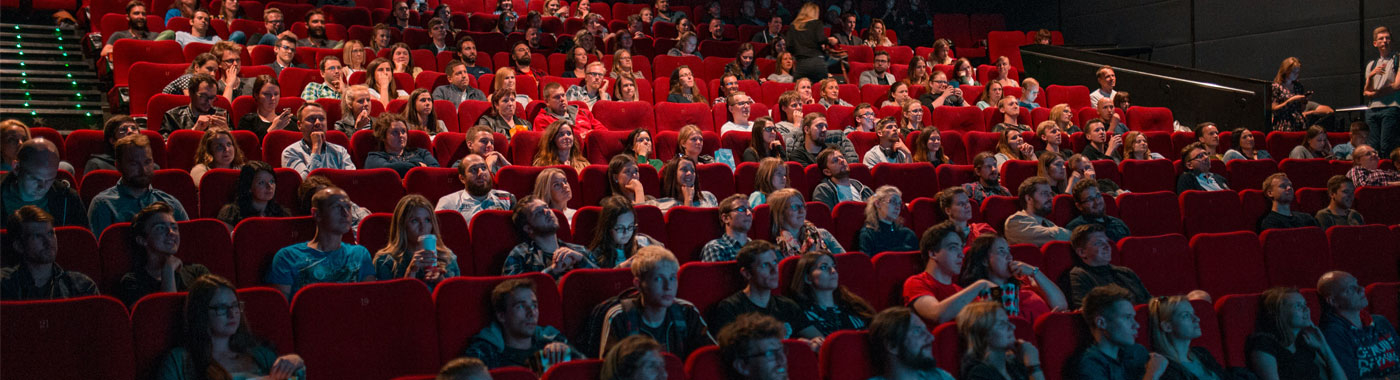
Nostalgia can connect brands with audiences and allow for experience-led storytelling opportunities.

Glance at this year’s slate of UK cinema features and you could be forgiven for thinking you’d stepped into Doc Brown’s DeLorean. Anniversary re-releases like Star Wars: Revenge of the Sith (2005) pulled April’s cinemagoers in like a tractor beam, while the Lilo & Stitch remake surfed into cinemas in May and Freaky Friday’s upcoming sequel promises a box-office earthquake.
Remakes and sequels have long dominated Hollywood production lines, with distributors seeking bankable films based on ready-made stories and beloved characters. But re-releasing cult classics adds another string to cinema’s bow. The evergreen success of films like Star Wars is no Jedi Mind Trick: Gen Z and millennials are the most nostalgic generations yet, with 15% preferring to think about the past over the future, and nearly half looking fondly on old media.
As global politics stir up new uncertainties, many of us revisit simpler times for comfort and escape. And if your brand taps into this shared nostalgia? You can form deeper, culturally relevant connections with audiences hungry for experience-led storytelling.
Hankering after a happier, more carefree era isn’t a new trend. 2011’s Midnight in Paris explored how each generation jealously looks upon the last as history’s true ‘golden age’, even when its inhabitants disagree. Either way, the ‘20-year cycle’ theory, in which styles, trends and aesthetics tend to resurface 20 to 30 years after their original peak, places us in peak mid-1990s/2000s nostalgia.
Cinematic nostalgia isn't just about looking back or hopping on a trend. It's about reinterpreting the past to create joy and community in the present and beyond.
Clare Turner, Chief Commercial Officer at Pearl & Dean
2025’s hottest music ticket? Oasis. The year’s biggest British-made film so far? A Bridget Jones sequel. These events aren’t just fuelled by those with memories of the originals, but by younger people desperate to recreate them. Nostalgic films in particular help turn the past into an invaluable, immersive escape from the chaos of today – a trend that spans every genre from family favourites to action-packed date nights. This year's lineup includes upcoming releases like The Running Man, Fantastic Four, Jurassic World: Rebirth, Smurfs, Anaconda, Superman, Karate Kid and How to Train Your Dragon alongside legacy sequels such as I Know What You Did Last Summer, The Naked Gun and Spinal Tap, all poised to reignite fan love and introduce iconic titles to new generations. And they create communal, feel-good viewing experiences that reengage cinemagoers, driving them towards the brands that take part.
Cinema has long been held as a group activity. FAME (Film Audience Measurement and Evaluation) data finds that 46% of all cinemagoers visit with two people or more, rising to 58% of 16-24-year-olds. But sequels, remakes and re-releases increasingly foster even larger shared events, like cosplay nights, sing-alongs and outdoor cinema screenings, a chance for brand partnerships to immerse themselves in the shared audience experience and enjoy a film under the stars.
It’s why chains such as Everyman regularly host ‘Throwback Seasons’, in which they screen classic movies like Apocalypse Now and Pulp Fiction. These events offer brands an authentic way to reach audiences at peak engagement, with more than half (57%) of cinemagoers saying they’re less distracted watching ads at the cinema than elsewhere, providing lucrative opportunities for both cinemas and advertisers.
Take luxury Spanish winemaker Beronia’s sponsorship of Curzon Cinema’s “Ivory Christmas” season. Filmmaking duo Merchant and Ivory is renowned for rich, lavish, highly decorated literary adaptations; a perfect match for Beronia’s brand. Alongside Q&As with the films’ casts and crew, the season featured a curated lineup of Merchant Ivory classics accompanied by a free glass of Beronia wine for adults, with onscreen ads running over the period. For some, the opulence of Merchant Ivory will now forever be associated with the splendour of Beronia. It’s these types of multisensory collaborations that highlight the power of cinema for visitors and brands alike.
Brands don’t have to be as old as the source material or movie setting to connect with audiences, either; take the long litany of Wicked collabs with Gen Z beauty labels. As long as your brand authentically suits the film’s characters, themes or aesthetics, you can get involved in today’s nostalgia-fest.
Ultimately, cinema is part of the definition of culture and has the ability to bring brands closer to culture. Brands with high, positive cultural relevance grow nearly six times more than brands without and the cultural relevance for the cinema is not limited to just the content, but the overall cinema experience.
Cinema is the home of storytelling, allowing its audience to unwind and enter an entirely new world – ultimately creating a positive environment. In fact according to FAME, two-thirds (67%) of consumers say cinema makes them feel happy or excited (almost double that of the internet).
While some may decry Hollywood’s reliance on existing IP, what isn’t up for debate is its societal and financial impact. 14 out of the top 15 grossing films worldwide in 2024 were based on stories and characters already adored by audiences. As re-releases and remakes drive popular, feel-good viewing experiences, smart, authentic and creative brand partnerships will build real cultural relevance and consumer connection.
Cinematic nostalgia isn't just about looking back or hopping on a trend. It's about reinterpreting the past to create joy and community in the present and beyond. Brands that get this right can step into events that audiences simply need to be a part of, cementing your place in our shared cultural memory. As Marty McFly once said, "I guess you guys aren't ready for that yet… But your kids are gonna love it."
Clare Turner is Chief Commercial Officer at Pearl & Dean. She focuses on expanding Pearl & Dean's agency, exhibitor and client partnerships to further elevate the business' position within the UK marketplace as well as exploring new revenue streams and commercial partnerships.
Looks like you need to create a Creativebrief account to perform this action.
Create account Sign inLooks like you need to create a Creativebrief account to perform this action.
Create account Sign in