
Trend
What Arsène Wenger can teach CMOs about winning with culture
Arsenal's sucess is the result of decades of commitment, writes Masibu Manima.
Vicky Bullen on how to get a B2B rebrand right.

When considering a B2B rebrand, logos are often the prime focus of attention. As a shorthand for a business, they are everywhere. The sheer scale of change required can be intimidating. Logos don’t just appear on the easy stuff like business cards and websites, they’re 50 metres high on the side of buildings all over the world. Even though brands are financial assets, with so many competing priorities in any business, it's understandable that leaders can hesitate to commit time and resources to change.
The consequence is that when rebranding is needed – to signal change or simply to express the business’ offer accurately – these practical aspects can become a barrier to action. Sometimes, other tools like PR and advertising are used to compensate, but over time, an inevitable gap opens between what the brand identity is communicating and what the business does. The brand is not selling its business.
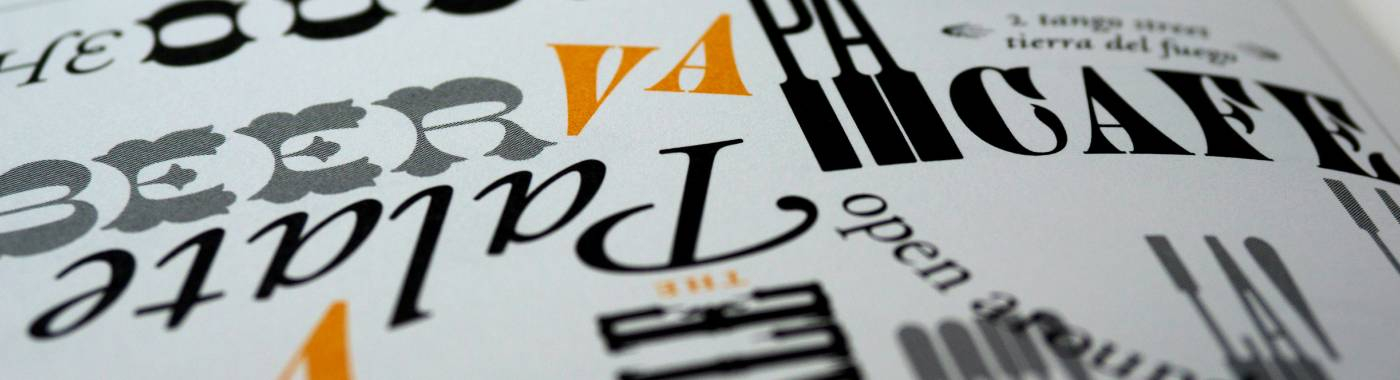
However, there is an alternative. There’s more to branding than logos. The brand asset toolkit includes a wide range of elements like imagery, colour, tone-of-voice, sound, typography, graphics and motion. Singly or in combination, these elements can be tweaked and changed to enhance the brand’s story – without needing a full change to the logo.
An asset may be well known, but if it radiates predictability when the brand is all about innovation, then it needs to change.
Vicky Bullen, CEO, Coley Porter Bell
Changing these brand assets first requires a clear understanding of their meaning and equity. How and what is each contributing to the brand? Do customers associate them with the brand? Do they drive awareness and recognition? Do they symbolise what the business wants to stand for?
Sometimes, assets considered important internally can turn out to have little traction with their target audience. Using research techniques, a brand’s components can be broken down and analysed, providing an objective view of whether they should remain untouched, evolve or be replaced entirely. An asset may be well known, but if it radiates predictability when the brand is all about innovation, then it needs to change.
But none of that analysis will amount to anything without a fresh – we would say unordinary – idea driving the brand. B2B branding can tend towards the bland. The same blues. The same stock images. The same default system fonts. The same undifferentiated message of trust and quality. By falling into this expected pattern, brands don’t develop the distinctive assets that can set them apart. An idea-driven brand evolution is an opportunity to redress this and create memorable and differentiating brand assets.
We recently encountered this challenge when rebranding logistics business Brambles and its subsidiary pallet company, Chep. As the logo and brand colour were impossibly intertwined into the business – there are millions of blue palettes bearing the brand in operation across the world – the rebrand focused on creating new assets through graphics and motion.
The Brambles brand had changed its positioning from being a traditional logistics brand to leading the category, by using digital innovations to smartly monitor and flex around the global supply chain. This change in positioning needed to be reflected in the brand identity. So, while the logo and colour had to stay the same, the rest of the brand asset toolkit was mobilised to support the new brand narrative.
Using the idea of ‘the living network’, we developed a new set of graphical assets representing people, planet and product. Based on the murmuration of starlings, these assets are in constant and coordinated motion, symbolising the idea of the business moving in harmony with an ever-shifting supply chain. This gained the brand an additional set of assets while retaining the recognition and equity already in the name.
Rebranding doesn’t have to mean a big bang. With flexibility and great ideas, brand evolutions can signal change, build equity and create distinctiveness. It’s time to look past the logo.
With more than 30 years’ experience, Vicky has led Coley Porter Bell for the past 18 years. She takes huge pride in the talented Coley Porter Bell team and nurtures a culture that thrives on collaboration, is pragmatic and business minded, and builds strong long-standing relationships with clients. Vicky sits on the Landor group management team and is also a Fellow of the Marketing Society, and a member of WACL (Women in Advertising and Communications Leadership)Vicky's experience includes working with businesses such as LEGO, Tesco, Shell, Euromaster, Valeo Foods and The Coca Cola Company.
Looks like you need to create a Creativebrief account to perform this action.
Create account Sign inLooks like you need to create a Creativebrief account to perform this action.
Create account Sign in