Trend
Britain is a remix
We must get better at understanding and representing modern Britain, writes Lameya Chaudhury.
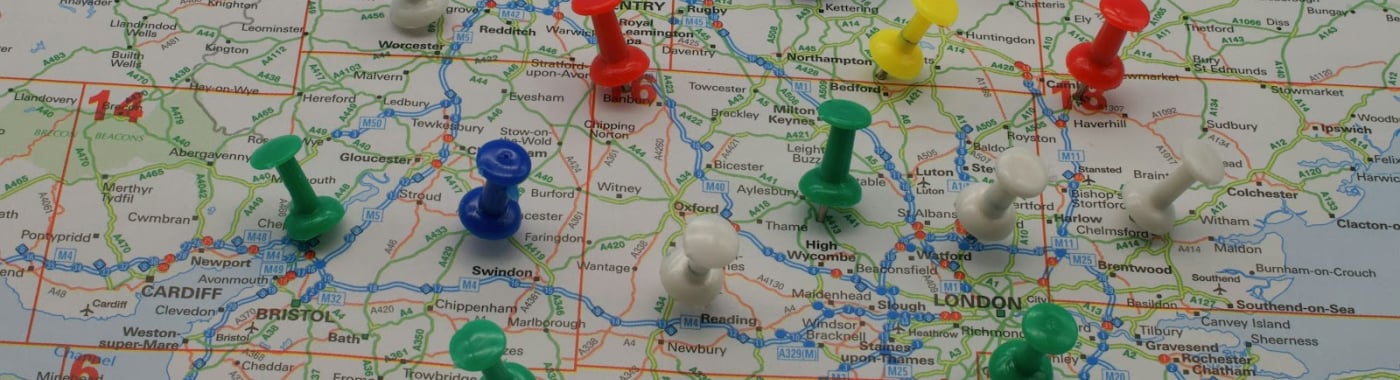
Exploring the role of accents and the challenges of representing the UK’s class spectrum authentically.

Have you seen, that Uber ad by Mother London? The one set on the cobbles? Where the Scouser valiantly shrugs the need for a coat despite the northern night air? And refuses her “soft” mates’ plea for a cab to the bar? Until it pours down, of course.
It's an all too rare instance of regional British accents being front and centre in advertising. Such ads allow regional viewers to feel seen and respected, a refreshing break from ads dominated by received pronunciation (RP) that subtly reinforces class hierarchies. At McCann’s latest Atomic Soup session, our team explored the role of accents and the challenges of representing the UK’s class spectrum authentically.
In 2020, a study by the University of York et al concluded, "speakers with regional accents, particularly those from the north of England, Scotland, and Wales, face discrimination and are often perceived as less intelligent or capable than those with RP accents." Research by The Sutton Trust also found some 29% of senior managers from working-class families had been mocked in the workplace for their accent versus 22% from a better-off background. During McCann’s Atomic Soup session, one McCanner shared that her brother-in-law, with a Liverpudlian accent, was asked to step back from a client-facing role at an ad agency because he didn’t ‘sound right’, an experience that ultimately led him to take elocution lessons to ‘fit in’. This kind of bias is more than a professional obstacle; it’s a denial of cultural identity that can erode confidence and sense of belonging.
Until we actively celebrate accent diversity, we’re perpetuating the myth that certain voices - certain identities - are more ‘marketable’ than others.
Jordan McDowell, Head of Strategy at McCann Manchester
It only takes the time needed to say ‘hello’ for us to identify someone’s background as different from our own and make instant judgments. This immediate judgment can significantly influence our interactions with one another, often to the detriment of those with perceived working-class regional accents. Dr. Alexander Baratta, an expert on accentism at the University of Manchester, argues, "It’s crucial for media and advertising to reflect the true diversity of accents to combat these biases.”
When accents are a powerful marker of identity and class and when accentism remains an unspoken bias, could embracing greater diversity of accents be the next DEI for advertising?
With class representation, advertising often veers into a problematic space: "class cosplay." Celebrities in ads who perform working-class personas or use regional accents can feel inauthentic to viewers, especially when there's no lived experience behind the portrayal.
Similarly, ads can often pigeonhole characters by their accents: Scots as trustworthy, Brummies as down-to-earth, and RP as the sound of ‘posh’ authority. This stereotyping can be damaging, particularly when working-class accents are stigmatised or associated with negative traits, while RP accents are assumed to signify professionalism. Northern characters in ads are twice as likely to be portrayed as working-class, reinforcing stereotypes that divide the UK along both regional and socioeconomic lines.
McCann’s conversation touched on how brands like JD Sports are successfully capturing authentic representations of working-class life. JD Sports’ Family Portrait ad from 2024 by Uncommon celebrated London’s working-class community with warmth and aspiration, winning praise for centring togetherness in a way that feels genuine, not performative. McCann Manchester’s work for Matalan includes Diane Morgan’s voice in video assets, including in the recent Summer 2025 campaign. Such ads show that there’s a path to inclusivity that respects both the codes of working-class culture and the real aspirations of these communities.
As marketers, it’s time to acknowledge that accentism isn’t a benign prejudice; it’s exclusion by another name. Until we actively celebrate accent diversity, we’re perpetuating the myth that certain voices - certain identities - are more ‘marketable’ than others. This narrow view doesn’t just harm individuals; it robs brands of the genuine connection that comes from representing real people. Brands like Yorkshire Tea (Lucky Generals) have successfully embraced regional authenticity; why shouldn’t others?
As accent diversity gains attention in the media, will brands continue to ignore it or step up to drive inclusivity? UK marketers have a choice: to perpetuate bias or embrace the full spectrum of voices that make up British society. Are we brave enough to let every accent speak to its audience authentically? Or will we continue to hide behind the polished tones of received pronunciation?
At McCann, we host weekly Atomic Soup sessions about relevant culture topics - and in our session on Working Class Culture, the subject of Accentism caught fire. As one McCanner put it: "What would happen if brands embraced an accent-rich culture instead of sanitising accents to fit a homogeneous idea of professionalism? It’s time to stop othering people because they sound different to us. Accents are such a big part of identity—why aren’t we celebrating it?”
It’s time for brands to consider not just who they’re speaking to, but how they’re speaking, and what that says about who they think belongs. Tap up a plugged-in Strategist or tuned-in Creative to ask yourself how your brand sounds.
After cutting his teeth at BBC and JWT, Jordan was a freelance writer for which he was named one of British Vogue’s most influential voices in fashion. He then led marketing activation and strategy for the likes of the UK's National Union of Students (NUS) and more recently, brand, media and digital strategies in-house for the Co-op. Jordan joined McCann’s strategy team in Manchester at the end of 2021 and his clients include Matalan, PureGym, Kia, Trainline and KAYAK. Jordan and was one of 30 people in advertising named in IPA’s iList for his work as a changemaker for women’s advancement. Jordan mentors and coaches women on finding their professional passion and is committed to better representation for women – especially working-class women – in the work he helps to produce for brands.
Looks like you need to create a Creativebrief account to perform this action.
Create account Sign inLooks like you need to create a Creativebrief account to perform this action.
Create account Sign in