Fuel Your Imagination
Lucozade marks the return of Grafruitti with Waterloo takeover
The full-scale takeover aims to make the relaunch as a fan-led cultural moment.
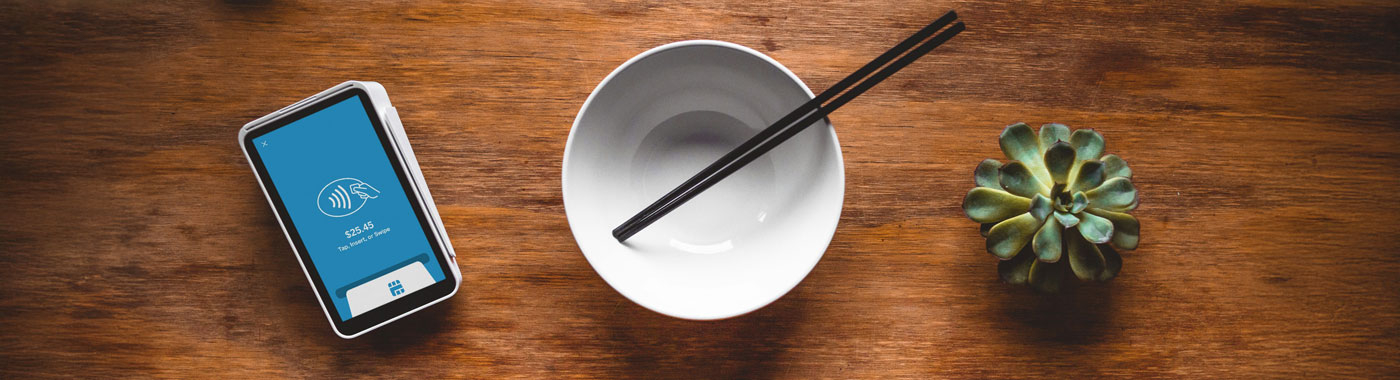
Faster and more frictionless dining could actually make for quicker but less memorable experiences.

Back in the good old days, dining out in the UK - even at a chain restaurant - was an occasion.
Families gathered on Saturday afternoons. Friends lingered over dessert. Birthdays were celebrated with sparklers in puddings and embarrassing singing waiters. In a fast-paced world, these moments acted as a kind of pressure valve where we could unwind and relax in the company of others. But today, casual dining experiences tend to feel more like pit stops than shared rituals. In the quest for efficiency, convenience and operational scale, have we lost the very things that actually made dining out so special?
Walk into a branch of Nando’s, Zizzi’s or Wagamamas today, and you’ll notice something striking: the speed. You’re shown to your table, handed a QR code, and expected to place your order without speaking to a human. Food arrives quickly and the bill is settled via a special app that you begrudgingly download before your plates are even cleared. The entire interaction can take under 45 minutes. It’s efficient, sure. But it’s also eerily transactional.
Casual dining was once the compromise between fast food and fine dining - where the family would gather to spend quality time together over good food, without the formality or the price tag. But increasingly, it’s acquiring the habits of quick service restaurants: tech-first services, minimal human interaction (if any) and frictionless ordering. But in the process, customers are losing the slower moments - the small talk with waiting staff, the perusing of the wine list, the lingering over coffee and dessert - that transform a meal from something functional into something meaningful.
To reclaim relevance, casual dining brands must reintroduce intentionality.
Jo Barnett, Strategy Director at Truant
Of course, some of this evolution was inevitable. Covid fast-tracked the adoption of tech and made contactless service the norm. Rising costs and labour shortages forced operators to streamline. And consumers, now used to the likes of Deliveroo and Uber Eats, have come to expect speed and autonomy.
But in trying to meet these expectations, have casual dining brands gone too far in stripping back the experience - resulting in a colder, more sterile experience? Have we lost the charm of casual dining that we used to love?
The irony is that people still crave connection, perhaps now more than ever. And the rise of the likes of Dishoom show that customers will queue, pay more, and wait longer if the experience feels special. Dishoom is a great example of a restaurant that has leaned into the theatre of dining rather than cutting corners: rich storytelling, staff who are attentive but never rush you, and interior and architectural design that transports you to Bombay. All things which encourage customers to linger and not just savour their meal, but the experience as a whole.
PizzaExpress is another example of a casual dining brand that has stayed true to the emotional reasons people eat out. For over 60 years, it has offered more than just pizza - it’s offered a setting for memorable experiences. From its Soho beginnings, it pioneered the open kitchen concept - bringing flair and theatre to the dining experience - long before it became the norm. Today, the brand still champions mood-lifting moments - from warm, welcoming staff to artist-designed murals and lively, thoughtfully designed spaces that encourages guests to relax and reconnect. It’s a place people return to not just for the dough balls, but for the feeling they remember - proof that even in a category that’s becoming dominated by speed, investing in slower, more meaningful experiences still matters.
These examples demonstrate that casual dining isn’t doomed, but it does risk becoming irrelevant and underwhelming if it continues to compete solely on efficiency. To reclaim relevance, casual dining brands must reintroduce intentionality. That doesn’t mean slow service and high prices - it means treating dining as an experience, not just a transaction. Hire and train staff to engage, not just serve. Bring back elements of surprise and delight. Rethink physical spaces to encourage lingering, not just turnover. And above all, remember what people are really buying: a sense of escapism and time spent together.
In a world that’s never been faster, there’s a growing premium on slowing down. The brands that make room for that - emotionally and physically - may just rediscover what made them loved in the first place.
Strategy Director with an obsession for understanding why people behave the way they do, then using that understanding to help businesses develop effective brand and comms strategies. Joanna uses her creative streak and logical mind, paired with an innate sense of curiosity about people, culture and the world around her, to help clients solve their business problems with innovative and creative solutions. With nearly 8 years of experience, key clients include HSBC, Nestlé, Diageo and Heineken. Most notably, Joanna worked on South Western Railway for the past 2.5 years, leading the strategy for their most effective brand campaign to date.
Looks like you need to create a Creativebrief account to perform this action.
Create account Sign inLooks like you need to create a Creativebrief account to perform this action.
Create account Sign in